Yes, while exercise is overwhelmingly beneficial for health, in certain specific circumstances, it can contribute to hair loss. This blog post delves into the nuances of how intense physical exertion and related factors might affect your hair.
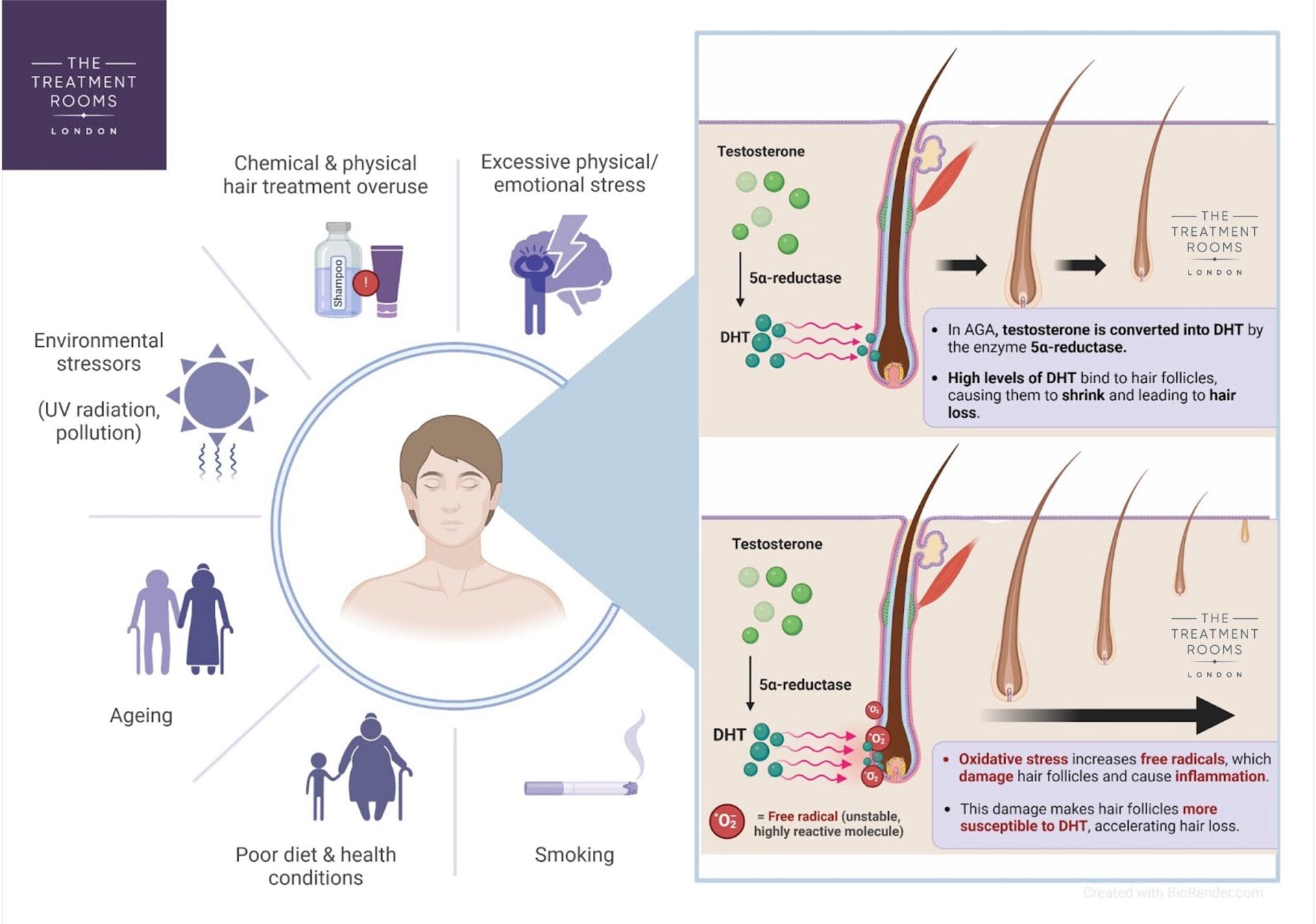
Image Source: eihjesyfseu.exactdn.com
The Link Between Exercise and Hair Health
Exercise is a cornerstone of a healthy lifestyle. It boosts circulation, reduces stress, and can even influence hormone levels positively. However, like many things in life, too much of a good thing, or certain types of strenuous activity, can sometimes have unintended consequences. When we talk about exercise-induced hair loss, we’re not typically referring to a casual jog or a moderate gym session. Instead, it’s usually linked to extreme training regimes and specific physiological responses.
Deciphering Traction Alopecia
One of the most direct ways exercise can cause hair loss is through scalp tension. This condition is known as traction alopecia. It occurs when hairstyles or practices that pull on the hair follicles for extended periods are adopted.
- Tight Hairstyles: Very tight ponytails, braids, cornrows, weaves, and extensions are common culprits. When hair is pulled taut, it puts stress on the follicles. Over time, this can damage the follicles, leading to temporary or even permanent hair loss, particularly along the hairline.
- Protective Styles: While often protective, certain styles, if executed too tightly, can contribute. The key is consistent, prolonged tension.
- Headwear: Wearing tight headbands or helmets for prolonged periods during exercise can also create tension on the scalp.
The damage from traction alopecia is often reversible if caught early and the offending hairstyle is abandoned. However, if the tension continues for too long, the hair follicles can be permanently scarred, leading to irreversible baldness in the affected areas.
Hormonal Changes and Your Hair
Exercise triggers a cascade of hormonal changes in the body. While many of these are beneficial, some can, in rare cases, influence hair growth cycles.
- Cortisol: Intense or prolonged physical exertion can increase cortisol, the body’s primary stress hormone. Chronically elevated cortisol levels can push hair follicles into the resting phase (telogen) prematurely, leading to increased shedding, a condition known as telogen effluvium.
- Androgens: Exercise can also affect androgen levels, including dihydrotestosterone (DHT). DHT is a hormone that plays a significant role in male pattern baldness (androgenetic alopecia) in genetically predisposed individuals. While exercise generally doesn’t cause a significant increase in DHT that leads to hair loss for most people, in individuals already prone to this type of hair loss, extreme stress from overtraining might theoretically contribute to exacerbating the condition. However, this is a complex area with ongoing research.
It’s crucial to distinguish between normal hormonal fluctuations and chronic imbalances. For the vast majority of people, exercise-induced hormonal shifts are healthy and supportive of overall well-being, including hair health.
Nutrition: Fueling Your Body and Hair
What you eat is critical for hair health, and intense exercise significantly increases your body’s nutritional demands. Ignoring these demands can lead to nutrient deficiencies, which can manifest as hair loss.
Protein Deficiency
Hair is primarily made of protein (keratin). Athletes and highly active individuals have higher protein needs to repair and build muscle tissue. If protein intake is insufficient to meet these demands, the body may divert protein away from less essential functions, such as hair growth, leading to thinning and shedding.
- Symptoms of Protein Deficiency: Besides hair loss, a lack of protein can cause fatigue, muscle loss, and a weakened immune system.
- Meeting Protein Needs: Ensure your diet includes adequate lean meats, fish, eggs, dairy products, legumes, and plant-based protein sources like tofu and tempeh.
Micronutrient Deficiencies
Beyond protein, several vitamins and minerals are vital for healthy hair. Intense physical exertion can deplete these stores if they aren’t replenished through diet or supplementation.
- Iron: Iron deficiency anemia is a common cause of hair loss, especially in women. Exercise, particularly endurance activities, can increase iron loss. Symptoms include fatigue, pale skin, and brittle nails.
- Zinc: Zinc is essential for hair tissue growth and repair. Low zinc levels can lead to hair shedding.
- Biotin (Vitamin B7): While often touted for hair growth, biotin deficiency is rare. However, severe deficiencies can cause hair loss.
- Vitamin D: Low vitamin D levels have been linked to hair loss, including alopecia areata.
- Other Nutrients: Deficiencies in Vitamin A, Vitamin E, and Omega-3 fatty acids can also impact hair health.
It’s essential to consume a balanced diet rich in fruits, vegetables, whole grains, and healthy fats to ensure adequate nutrient intake.
Stress and Hair Loss
While exercise can be a powerful stress reliever, pushing your body too hard without adequate rest and recovery can ironically increase stress levels.
- Telogen Effluvium: As mentioned earlier, significant physical or emotional stress can shock the hair growth cycle, pushing a larger percentage of hairs into the telogen (resting) phase. Several months after the stressful event (in this case, prolonged overtraining), these hairs can fall out simultaneously, leading to noticeable thinning.
- Overtraining Syndrome: This condition involves a decline in physical performance, fatigue, mood disturbances, and increased susceptibility to illness. The physiological stress associated with overtraining can contribute to hair loss.
Listen to your body, incorporate rest days, and manage your overall stress levels to mitigate this risk.
The Role of Supplements and Performance Enhancers
Certain supplements and performance-enhancing drugs, often used by individuals engaged in strenuous exercise, can have direct or indirect effects on hair.
Creatine
Creatine is a popular supplement used to enhance athletic performance. Research has suggested that creatine supplementation might increase levels of dihydrotestosterone (DHT) in some individuals. Since DHT is implicated in male pattern baldness, there’s a theoretical concern that creatine could potentially contribute to hair loss in genetically susceptible men.
- Evidence: The evidence is not conclusive, and the increase in DHT, if it occurs, may not be significant enough to cause hair loss in most people. More research is needed to confirm this link and its clinical significance.
- Individual Response: Responses to supplements can vary greatly from person to person.
Anabolic Steroids
Anabolic steroids are synthetic variations of the male sex hormone testosterone. They are often misused by athletes to increase muscle mass and strength. The side effects of anabolic steroid use are numerous and can be severe, including significant hair loss.
- Mechanism: Anabolic steroids can dramatically increase androgen levels, including DHT. This surge in DHT can accelerate male pattern baldness in individuals who are genetically predisposed.
- Permanent Loss: Steroid-induced hair loss can be rapid and, in many cases, permanent, as the elevated hormone levels can cause irreversible damage to hair follicles.
It is crucial to understand that anabolic steroid use is illegal without a prescription and carries significant health risks.
Autoimmune Conditions and Exercise
Sometimes, exercise might not cause hair loss directly but can trigger or exacerbate an underlying condition.
Alopecia Areata
Alopecia areata is an autoimmune disorder where the immune system mistakenly attacks hair follicles, leading to patchy hair loss. While the exact cause is unknown, factors like genetics, stress, and potentially autoimmune responses can play a role.
- Exercise as a Trigger: For individuals predisposed to alopecia areata, intense physical stress from overtraining, or even increased systemic inflammation due to extreme exertion, could potentially act as a trigger for an episode of hair loss. However, this is a speculative link, and moderate exercise is generally recommended for managing stress and improving immune function.
Key Takeaways for Active Individuals
For those who lead active lives, it’s important to be mindful of these potential factors without becoming overly concerned.
- Listen to Your Body: Pay attention to signs of overtraining, fatigue, or unusual hair shedding.
- Balanced Nutrition: Ensure your diet is rich in protein, iron, zinc, and essential vitamins and minerals to support your increased demands.
- Hydration: Proper hydration is crucial for overall health, including the scalp and hair follicles.
- Hairstyles: Avoid consistently tight hairstyles that pull on your hair. Opt for looser styles or vary your hairstyles regularly.
- Rest and Recovery: Prioritize adequate sleep and incorporate rest days into your training schedule to manage stress hormones.
- Supplements: Use supplements like creatine with awareness and consider consulting a healthcare professional, especially if you have a family history of hair loss. Avoid anabolic steroids entirely due to severe health risks.
- Medical Consultation: If you experience sudden or significant hair loss, consult a doctor or dermatologist to rule out underlying medical conditions and get personalized advice.
Common Questions About Exercise and Hair Loss
Here are some frequently asked questions regarding exercise and its potential impact on your hair.
Q1: Can lifting weights cause hair loss?
Generally, lifting weights does not directly cause hair loss for most people. However, if you are genetically predisposed to male pattern baldness, the potential increase in dihydrotestosterone (DHT) associated with intense training and certain supplements like creatine could theoretically contribute to accelerated thinning. Additionally, protein deficiency from not consuming enough to support muscle repair and growth can impact hair health.
Q2: Is it normal to lose more hair after a hard workout?
Slightly increased shedding after a particularly intense or long workout can sometimes occur due to temporary stress on the body. However, if you notice significant or persistent hair loss following workouts, it’s advisable to investigate further, considering factors like scalp tension from hairstyles, nutrient deficiencies, or overtraining.
Q3: What are the early signs of traction alopecia?
Early signs of traction alopecia include:
* Redness or irritation on the scalp.
* Small bumps or pimples where the hair is pulled.
* Breakage of hair shafts.
* Receding hairline, especially at the temples and forehead.
* Soreness or tenderness on the scalp after wearing a tight hairstyle.
Q4: Can running cause hair loss?
Running itself is unlikely to cause hair loss. However, if your running routine involves wearing very tight headbands, hats that create scalp tension, or if you are overtraining to the point of stress and nutrient deficiencies, these factors could indirectly impact hair health.
Q5: What is the best diet for preventing exercise-related hair loss?
A balanced diet that emphasizes adequate protein intake, iron, zinc, B vitamins (especially biotin), vitamin D, and omega-3 fatty acids is crucial. Include lean proteins, leafy greens, whole grains, nuts, seeds, and fatty fish. Ensure you are consuming enough calories to meet your energy expenditure and support overall bodily functions, including hair growth.
Q6: Should I be worried if I’m losing hair and I exercise a lot?
It’s wise to be aware, but not necessarily worried without cause. If you exercise regularly and notice increased hair shedding, consider the following:
* Hairstyles: Are your hairstyles tight?
* Diet: Are you eating enough protein and micronutrients?
* Overtraining: Are you experiencing symptoms of overtraining?
* Genetics: Do you have a family history of hair loss?
* Stress: Are you under significant mental or physical stress?
If you’re concerned, consulting a healthcare professional is the best course of action.
Q7: Can too much cardio cause hair loss?
Excessive cardio, especially if it leads to overtraining and significant stress on the body, can contribute to hair loss through mechanisms like increased cortisol and potential nutrient deficiencies. However, moderate cardio is generally beneficial for health and hair.
Q8: How does dihydrotestosterone (DHT) affect hair?
Dihydrotestosterone (DHT) is a byproduct of testosterone. In genetically susceptible individuals, DHT binds to receptors in hair follicles on the scalp, causing them to shrink over time. This miniaturization process leads to shorter, finer hairs and eventually stops hair growth, resulting in pattern baldness.
Q9: Are there specific exercises that are better for hair health?
The best exercise for hair health is one that promotes overall well-being without leading to overtraining. Activities that help manage stress, improve circulation, and don’t involve constant scalp tension are ideal. This includes activities like yoga, moderate swimming, cycling, and brisk walking.
Q10: Can hair loss from exercise be reversed?
Hair loss caused by temporary factors like scalp tension (traction alopecia) can often be reversed by changing hairstyles and reducing tension. Hair loss due to stress (telogen effluvium) is usually temporary, and hair typically regrows once the stressor is removed. However, hair loss due to permanent follicle damage from prolonged traction or conditions like androgenetic alopecia (where DHT is a factor) may not be fully reversible.
By staying informed and adopting healthy habits, active individuals can enjoy the myriad benefits of exercise while safeguarding their hair health.