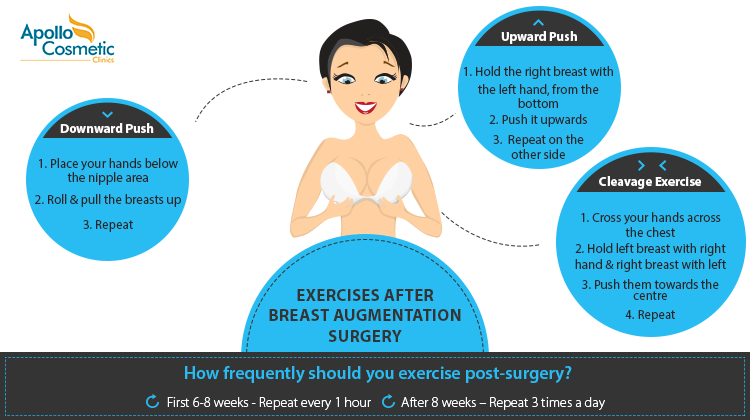
Image Source: www.apollocosmeticclinics.com
Expert Advice: How Long After Breast Implants Can I Exercise Safely?
What is the general guideline for returning to exercise after breast augmentation? Generally, you can resume light activities and walking within one to two weeks after surgery, but a full return to more strenuous workouts, especially those involving the upper body, typically takes six to eight weeks.
Recovering from breast augmentation is a journey, and a crucial part of that journey involves safely returning to your fitness routine. Many women who undergo breast augmentation are active and eager to get back to their workouts. However, rushing this process can lead to complications and hinder your overall recovery. This in-depth guide will provide expert advice on how long after breast implants you can exercise safely, focusing on a gradual and progressive return to physical activity. We’ll cover everything from initial recovery steps to resuming specific types of exercises, ensuring your breast augmentation recovery is smooth and successful.
Initial Recovery: The First Few Weeks Post-Surgery
The immediate aftermath of breast augmentation surgery requires rest and careful management. Your body is working hard to heal, and it’s essential to allow it the time it needs. During this period, your focus should be on comfort, pain management, and preventing any undue stress on the surgical sites.
The First Week: Gentle Movement is Key
In the first week, strenuous exercise is strictly off-limits. Your surgeon will provide specific post-operative instructions, but generally, you will be advised to:
- Rest: Avoid any activities that elevate your heart rate significantly or involve jarring movements.
- Wear a Surgical Bra: This supportive garment helps minimize swelling and provide stability to the implants.
- Gentle Walking: Short, slow walks around your home are encouraged. This helps with circulation and prevents blood clots. These initial walks are the very first steps in your post-surgery workout journey.
- Avoid Lifting: Do not lift anything heavier than a few pounds, and certainly avoid lifting your arms above your head.
Weeks Two to Four: Gradual Reintroduction of Activity
As you move into the second and third weeks, you might feel a bit better, but it’s crucial to remain patient. The internal healing is still ongoing, and the implants need time to settle into their final position.
- Continue Walking: You can gradually increase the duration and pace of your walks.
- Light Household Chores: Perform light activities that don’t involve straining your chest muscles or reaching overhead.
- No Strenuous Workouts: This includes jogging, weightlifting, or any exercise that puts direct pressure on your chest or requires significant upper body movement.
Fathoming the Exercise Return Timeline
The timeline for returning to exercise is not one-size-fits-all. It depends on various factors, including the type of surgery performed (e.g., incision placement, implant type), your individual healing rate, and the intensity of the exercise you wish to resume.
When Can I Start Cardio?
Cardiovascular exercise is usually the first type of activity you can safely reintroduce.
- Low-Impact Cardio (Weeks 2-4): Once you are cleared by your surgeon, you can typically begin with low-impact cardio like walking on a treadmill, using an elliptical machine, or stationary cycling. These activities are gentler on your body and allow you to gradually increase your heart rate.
- Moderate Cardio (Weeks 4-6): As your healing progresses, you can slowly increase the intensity and duration of your cardio sessions. Jogging or light running might be possible during this period, but always listen to your body and stop if you experience any discomfort.
- High-Impact Cardio (Weeks 6-8 and beyond): Activities like high-intensity interval training (HIIT), jumping jacks, or running with significant impact might need to wait until you are at least six to eight weeks post-op, and your surgeon gives the explicit go-ahead.
When Can I Resume Upper Body Training?
This is often the most anticipated and cautious phase of returning to exercise. Your chest muscles and the tissues around the implants need significant time to heal and adapt.
- Weeks 2-4: Avoid any exercises that directly work your pectoral muscles (chest muscles), such as push-ups, chest presses, or flyes. Even light resistance training for your arms and shoulders should be approached with extreme caution and only after consulting your surgeon.
- Weeks 6-8: This is the general timeframe when most patients can start incorporating very light weights and resistance for their upper body. Focus on controlled movements and avoid any exercises that cause pulling or stretching in your chest area. Think about using lighter weights than you are accustomed to.
- Beyond 8 Weeks: As you continue to heal and your surgeon deems it appropriate, you can gradually increase the weight and intensity of your upper body workouts. It’s crucial to prioritize proper form to avoid re-injury or compromising implant stability.
Resuming Sports After Implants
For individuals who participate in sports, the return timeline can be longer, especially for contact sports or those involving significant jumping and impact.
- Non-Contact, Low-Impact Sports: Sports like swimming or cycling can often be resumed around the 6-8 week mark, provided they don’t involve jarring movements or direct chest impact.
- Contact Sports: For sports like basketball, soccer, or volleyball, a longer waiting period is usually recommended, often 8-12 weeks or even longer. This is to ensure adequate scar healing and to protect the implants from potential trauma.
- Sports with High Impact: Activities that involve frequent jumping or forceful movements might require a more extended recovery period, ensuring the breast tissue and implants are fully settled and stable.
Factors Influencing Your Exercise Restrictions
Several factors play a role in determining when you can safely resume your fitness routine.
Surgical Technique and Incision Placement
The way your surgery was performed can impact your recovery time.
- Implant Placement: Whether implants are placed over or under the muscle can affect how your chest muscles feel and function post-surgery.
- Incision Type: Different incision types (e.g., inframammary fold, periareolar, transaxillary) may have slightly different healing considerations, although the overall timeline for exercise return is generally similar.
Implant Type and Size
- Saline vs. Silicone: While the fundamental healing process is the same, some anecdotal evidence suggests that the weight and feel of larger implants might require a bit more time for your body to adjust, especially during movement.
Individual Healing Rate
Every person heals differently. Some individuals may recover more quickly than others. Factors like age, overall health, and adherence to post-operative instructions can influence your healing pace.
Surgeon’s Recommendations
Your plastic surgeon’s advice is paramount. They have the most intimate knowledge of your specific surgery and your body’s healing process. Always follow their personalized guidance.
Signs of Progress and When to Slow Down
As you progress through your physical activity post-op, it’s vital to be attuned to your body’s signals.
Signs You’re Ready to Progress:
- Minimal to no pain during light activity.
- Reduced swelling.
- Comfortable range of motion in your arms.
- Feeling generally stronger and more energetic.
When to Slow Down or Stop:
- Sharp or persistent pain in your chest or incisions.
- Increased swelling or redness.
- Any leakage or unusual discharge from incisions.
- A feeling of pulling or stretching around the implants.
- Discomfort during or after exercise.
If you experience any of these symptoms, cease the activity immediately and contact your surgeon. It’s better to err on the side of caution.
Tips for a Safe Return to Exercise
To ensure a smooth and safe return to your fitness regimen, consider these expert tips:
- Communicate with Your Surgeon: This cannot be stressed enough. Your surgeon is your best resource for personalized advice.
- Listen to Your Body: Your body will tell you what it can handle. Don’t push through pain.
- Start Gradually: Begin with lower intensity and duration than you were accustomed to before surgery.
- Focus on Form: Maintain proper technique to avoid injury and protect your implants.
- Stay Hydrated: Proper hydration is crucial for healing and overall well-being.
- Warm-up and Cool-down: Always include a thorough warm-up before and a cool-down after each workout.
- Wear Supportive Sports Bras: Once cleared for more rigorous activity, invest in high-quality, supportive sports bras that offer good compression and minimize movement of the implants. This is especially important for high-impact activities and sports after implants.
- Avoid Direct Pressure: Be mindful of any exercises that put direct pressure on your chest, especially in the early stages of returning to upper body training.
- Consider Physical Therapy: A physical therapist specializing in post-operative recovery can create a tailored exercise program to help you regain strength and flexibility safely.
Sample Exercise Progression (General Guidelines)
This table provides a general idea of how you might progress, but remember to always get your surgeon’s approval at each stage.
| Stage | Timeline | Recommended Activities | Precautions |
|---|---|---|---|
| Immediate Post-Op | First 1-2 Weeks | Gentle walking at home, basic range of motion exercises | Avoid any strenuous activity, lifting, or overhead movements. |
| Early Recovery | Weeks 2-4 | Longer walks, elliptical, stationary cycling | Avoid chest exercises, heavy lifting, jarring movements. |
| Mid-Recovery | Weeks 4-6 | Light jogging (if cleared), increased cardio intensity | Begin very light upper body exercises with surgeon’s approval; focus on form. |
| Late Recovery | Weeks 6-8 | Return to moderate cardio, light weight training for upper body | Gradually increase weights; still avoid extreme chest movements. |
| Full Return | 8+ Weeks | Gradual return to all previous activities | Continue to listen to your body; wear supportive sports bras for high impact. |
The Importance of Implant Stability and Scar Healing
Two critical aspects of your recovery are implant stability and scar healing. Rushing your exercise routine can compromise both.
- Implant Stability: Initially, your implants need time to settle into their final position. Overexertion, especially with jarring movements or heavy lifting, can potentially affect their placement or cause discomfort. Gradual progression ensures the tissues surrounding the implants have time to strengthen and stabilize them.
- Scar Healing: The incisions you have will also need time to heal. Strenuous activity too soon can put tension on these incisions, leading to wider scars, delayed healing, or even wound complications. Allowing ample time for scar healing is essential for both aesthetic and functional outcomes.
Frequently Asked Questions (FAQ)
Can I do push-ups after breast augmentation?
Generally, push-ups are not recommended until at least 6-8 weeks post-surgery, and only after your surgeon gives you explicit clearance. Start with modified push-ups (on your knees) and focus on controlled movements.
Is it safe to run after breast augmentation?
You can usually start light jogging or running around 4-6 weeks after surgery, provided you have your surgeon’s approval. Always wear a supportive sports bra and listen to your body for any discomfort.
Will my implants move if I exercise too soon?
While implants are generally stable once in place, very strenuous or jarring activity too early in your recovery could potentially affect their position or cause discomfort. Gradual progression is key to maintaining implant stability.
How long until I can lift weights after breast augmentation?
For light weights and exercises that don’t involve the chest muscles, you might be able to start around 4-6 weeks, with your surgeon’s approval. Full return to heavy weightlifting, especially for upper body training, typically takes 6-8 weeks or longer.
Can I swim after breast augmentation?
Most surgeons allow swimming once your incisions are fully healed and closed, typically around 6-8 weeks post-surgery. Ensure there are no open wounds before entering a pool.
What kind of sports bra should I wear after breast augmentation?
In the initial weeks, you’ll likely wear a surgical bra. Once cleared for exercise, opt for a high-impact, supportive sports bra that offers good compression and minimizes breast movement, especially for activities like running or jumping.
Returning to your fitness routine after breast augmentation is an exciting milestone. By following expert advice, being patient with your body, and communicating openly with your surgeon, you can safely resume your physical activity post-op and enjoy the benefits of both your results and your active lifestyle. Remember, breast augmentation recovery is a marathon, not a sprint, and prioritizing a gradual, safe return to exercise will lead to the best long-term outcomes.