Gymnasts often have shorter careers than athletes in many other sports, and this is primarily due to the extreme physical demands, the early specialization required, and the high risk of injury inherent in the sport.
Gymnastics is a sport that captivates audiences with its displays of strength, flexibility, and grace. Yet, a common observation is that gymnasts, particularly elite ones, tend to be shorter in stature. This isn’t a mere coincidence; it’s a fascinating interplay of genetics, training, and the very nature of the sport itself. This article delves deep into the reasons behind this phenomenon, exploring the intricate relationship between a gymnast’s height and their journey in this demanding athletic discipline. We’ll uncover the real truths behind why gymnastics careers are often short, examining the intense physical demands, the necessity of early specialization, and the critical role of body type.
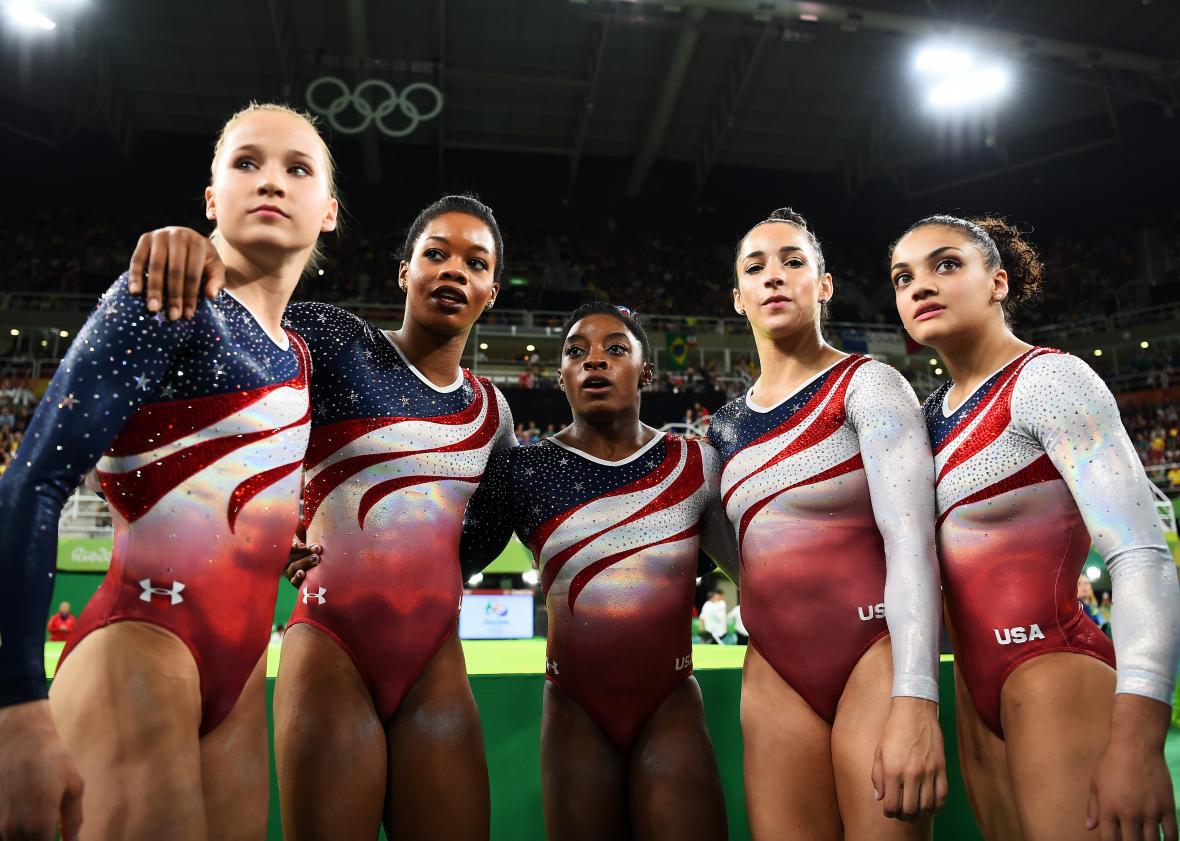
Image Source: compote.slate.com
The Athletic Blueprint: How Body Type Shapes Gymnastics Prowess
The discussion of why gymnasts are often shorter is inextricably linked to the concept of an ideal body type gymnastics favors. While it’s crucial to acknowledge that athletes of all shapes and sizes can participate in gymnastics at various levels, the upper echelons of the sport, especially in disciplines like artistic gymnastics, tend to showcase athletes with specific physical attributes. These attributes are not arbitrary; they are deeply functional, providing distinct advantages in executing complex skills and enduring rigorous training.
Leverage and Rotational Speed: The Low Center of Gravity Advantage
One of the most significant advantages of a shorter stature in gymnastics is the lower center of gravity. This characteristic makes it easier for gymnasts to control their bodies during dynamic movements, flips, and twists. Imagine a spinning top: a smaller, more compact top is generally easier to control and manipulate than a taller, more elongated one. Similarly, a lower center of gravity allows gymnasts to generate and redirect rotational forces more efficiently. This translates directly into:
- Enhanced Rotational Speed: Shorter limbs mean less mass to accelerate and decelerate during twists and flips. This allows gymnasts to achieve a higher number of rotations in the air and perform more complex aerial maneuvers.
- Improved Balance and Stability: A lower center of gravity inherently improves balance. This is critical for skills performed on apparatuses like the balance beam, where even the slightest wobble can lead to a fall.
- Greater Power-to-Weight Ratio: Shorter athletes often have a more favorable power-to-weight ratio, meaning they can generate more force relative to their body mass. This is essential for powerful tumbling passes, vaulting, and explosive strength-based skills.
Force Distribution and Impact Absorption
The way forces are distributed throughout the body is also influenced by height. Shorter limbs can distribute the impact forces from landings and vaults more efficiently. When a gymnast lands from a height, the force travels a shorter distance through their bones and joints. This can potentially reduce the cumulative stress on their bodies over time, though the sheer intensity of these forces remains a significant factor in the sport’s demanding nature.
Genetic Predisposition and Athletic Development
While training plays a monumental role, genetic predispositions can also influence an athlete’s suitability for gymnastics. Families with a history of shorter stature might naturally produce children who are also shorter. If these individuals possess the inherent strength, flexibility, and coordination required for gymnastics, their natural height can become an asset rather than a limitation in the pursuit of elite performance. It’s important to note that this is not about artificially limiting growth but about recognizing how existing physiological traits align with the sport’s demands.
The Relentless Pace: Physical Demands and Training Intensity
The intense physical demands gymnastics places on the body are a primary driver of shorter athletic careers. Gymnasts subject their bodies to immense stress daily, pushing the limits of human endurance and resilience. The training intensity gymnastics requires is legendary, often involving multiple hours of rigorous practice per day, six days a week, from a very young age.
Extreme Strength and Flexibility Requirements
Gymnastics demands a unique combination of maximal strength and extreme flexibility. Athletes must develop incredible core strength to stabilize their bodies during flips, incredible leg strength for powerful tumbling, and immense upper body strength for skills on bars and rings. Simultaneously, they need a range of motion that far surpasses that of most other athletes. Achieving and maintaining this level of physical conditioning involves:
- High-Impact Training: Skills like tumbling, vaulting, and dismounts involve repetitive high-impact landings. This constant jarring can take a significant toll on joints, bones, and connective tissues.
- Overuse Injuries: The highly repetitive nature of specific movements, such as swinging on bars or performing the same tumbling pass repeatedly, can lead to overuse injuries. Tendinitis, stress fractures, and muscle strains are common ailments.
- Flexibility and Muscle Imbalances: While flexibility is essential, extreme ranges of motion can sometimes lead to instability and muscle imbalances if not managed meticulously with targeted strengthening exercises.
The Cumulative Effect of Stress
The physical demands gymnastics places on the body are not a one-time event; they are cumulative. Years of intense training, pushing through discomfort, and executing skills with millimeter precision lead to gradual wear and tear. The body, while remarkably adaptable, has its limits. As gymnasts age, their ability to recover from training sessions and heal from minor injuries can diminish, making them more susceptible to more significant setbacks.
The Race Against Time: Early Specialization and Age Requirements
Gymnastics is a sport that rewards early skill acquisition. The complex motor patterns and muscle memory required for advanced tumbling, vaulting, and apparatus work take years to develop. This often leads to specialization gymnastics athletes undergo from a very young age.
The Foundation of Early Training
Most elite gymnasts begin their training between the ages of 4 and 7. This early start is crucial for several reasons:
- Motor Skill Development: Young children are highly receptive to learning new motor skills. The plasticity of their developing nervous systems allows them to master complex movements and coordination patterns more readily.
- Proprioception and Body Awareness: Gymnastics requires an exceptional level of proprioception (the body’s awareness of its position in space) and kinesthetic awareness. These are honed through years of practice from a young age.
- Strength and Flexibility Foundation: Building the necessary strength and flexibility from a young age is vital. It’s often easier to develop these attributes before the body reaches its full adult growth and hormonal changes.
The Pressure to Peak Early
The combination of early skill acquisition and the need for rigorous training means that gymnasts often peak at a relatively young age compared to athletes in sports like swimming or running, where strength and endurance may continue to develop into the mid-to-late twenties. The peak performance gymnastics athletes achieve often occurs in their late teens or early twenties.
This early peak is influenced by several factors:
- Achieving Maximum Rotational Velocity: As mentioned earlier, shorter limbs and lighter body weight are advantageous for rotational speed. As athletes grow taller and heavier, maintaining the same rotational velocity becomes more challenging.
- Peak Flexibility and Agility: While strength can often be maintained or even increased with age, extreme flexibility and the agility required for certain gymnastics skills may naturally diminish over time.
- The Burden of Advanced Skills: To remain competitive, gymnasts must constantly learn and perfect new, more difficult skills. The mental and physical toll of mastering these incredibly complex movements, often with a higher risk of injury, becomes increasingly taxing as they get older.
This brings us to the concept of early retirement gymnastics often sees. Once a gymnast has achieved their peak performance gymnastics potential, the decision to continue often becomes a complex equation balancing passion, physical well-being, and the increasing difficulty of staying competitive.
Navigating the Risks: Injury Prevention and Career Longevity
The specter of injury looms large in gymnastics, significantly impacting gymnastics career length. While injury prevention gymnastics programs are more sophisticated than ever, the inherent risks of the sport are undeniable.
Common Gymnastics Injuries
The types of injuries sustained in gymnastics are often severe and can have long-term consequences. These include:
- Ankle and Knee Injuries: Sprains, ligament tears (e.g., ACL tears), and fractures are common due to the high-impact nature of landings.
- Wrist and Shoulder Injuries: Repetitive loading and stress on the upper body, particularly during skills on bars, vault, and beam, can lead to wrist fractures, rotator cuff tears, and other shoulder problems.
- Back Injuries: Hyperextension and repetitive spinal loading can result in disc injuries, stress fractures in the vertebrae (spondylolysis), and chronic back pain.
- Concussions: Falls and impacts to the head can lead to concussions, which require significant recovery time and can have lasting effects.
The Impact of Injury on Career Length
A significant injury can derail a gymnastics career length entirely. The extensive rehabilitation required, coupled with the fear of re-injury and the loss of crucial training time, often forces athletes to consider early retirement gymnastics disciplines have become accustomed to. Even minor, recurring injuries can accumulate, leading to chronic pain and a reduced ability to perform at an elite level.
The emphasis on injury prevention gymnastics strategies is therefore paramount. This includes:
- Proper Warm-up and Cool-down: Preparing the body for intense activity and aiding in recovery.
- Strength and Conditioning Programs: Focusing on muscle balance, core stability, and joint support to mitigate risks.
- Gradual Progression of Skills: Ensuring athletes master foundational skills before attempting more complex and dangerous ones.
- Adequate Rest and Recovery: Allowing the body sufficient time to repair and rebuild.
- Nutritional Support: Providing the body with the necessary nutrients for recovery and performance.
However, even with the best prevention strategies, the inherent risks of the sport mean that injuries are an unavoidable part of many gymnasts’ journeys.
The Gymnastics Career Arc: A Snapshot
The typical gymnastics career length is often much shorter than in sports where the physical demands are less extreme or where the peak performance window extends later into an athlete’s life.
| Sport | Typical Elite Career Length (Years) | Factors Influencing Career Length |
|---|---|---|
| Gymnastics | 8-15 years (starting young) | Extreme physical demands, high risk of injury, early specialization, need for extreme flexibility and strength from a young age, peak performance often in late teens/early twenties. |
| Running (Marathon) | 10-20 years (starting later) | Primarily endurance-based, lower impact than gymnastics, peak performance often in late twenties/early thirties, less emphasis on extreme flexibility. |
| Swimming | 10-20 years (starting young/later) | Repetitive motion, lower impact, strength and endurance development can continue into later years, less emphasis on extreme flexibility or high-impact landings. |
| Basketball | 10-20 years (starting later) | Combination of strength, agility, and skill; peak performance often in mid-to-late twenties; higher risk of joint injuries than swimming but generally less extreme impact than gymnastics. |
| Tennis | 10-20 years (starting later) | Skill-based, strength and agility crucial; peak performance often in mid-to-late twenties; significant risk of overuse injuries but generally less extreme impact than gymnastics. |
Note: These are generalizations and individual career lengths can vary significantly based on talent, dedication, injury history, and opportunities.
This table highlights how the unique demands of gymnastics contribute to a more compressed athletic timeline. The continuous push for more difficult skills, combined with the physical toll, means that gymnasts often retire from elite competition when athletes in other sports are still in their prime.
Beyond the Mat: Life After Gymnastics
The question of “why are gymnasts short” also touches upon the transition out of the sport. For many, their intensive training from such a young age means they’ve dedicated their formative years to gymnastics. This can lead to questions about their education and future career paths. However, the discipline, work ethic, and resilience developed through gymnastics are highly transferable skills, equipping these athletes for success in many different fields. The skills learned in injury prevention gymnastics and the understanding of one’s own physical capabilities are also invaluable.
The short gymnastics career length is not a failing of the sport but a testament to its incredibly high demands and the unique physical and mental attributes it requires. It’s a sport that asks a tremendous amount of its athletes, pushing them to their limits and often leading to an early retirement gymnastics is known for.
Frequently Asked Questions (FAQ)
-
Q1: Are all gymnasts short?
No, not all gymnasts are short. While many elite artistic gymnasts tend to be shorter, this is due to the advantages a lower center of gravity and shorter limbs provide in performing complex aerial maneuvers and rotations. Gymnastics at recreational levels and in disciplines like rhythmic gymnastics or trampoline can accommodate a wider range of body types. -
Q2: Can gymnastics stunt a child’s growth?
There is no scientific evidence to suggest that gymnastics stunts a child’s growth. The height of a gymnast is primarily determined by genetics. While the intense training and high-impact nature of the sport can pose risks of injury, including to growth plates, these risks are managed through careful training and supervision. The correlation between gymnasts being shorter is more about the body type that excels in the sport, rather than the sport causing shortness. -
Q3: Why do gymnasts retire so young?
Gymnasts often retire young due to the extreme physical demands gymnastics places on the body. The relentless training intensity gymnastics requires, combined with the high risk of injury and the early specialization necessary for skill acquisition, means that athletes often reach their peak performance gymnastics potential in their late teens or early twenties. Continuing at an elite level becomes increasingly difficult as the body endures cumulative stress and the risk of significant injury increases. -
Q4: Is it true that gymnasts have shorter careers than other athletes?
Yes, generally, elite gymnasts have shorter careers compared to athletes in sports that rely more on endurance or that have less extreme physical impact. The intense, high-impact nature of gymnastics, the need for extreme flexibility and strength from a young age, and the cumulative effects of training and competition contribute to this shorter gymnastics career length. -
Q5: What are the most common injuries in gymnastics?
Common injuries in gymnastics include sprains and tears in the ankles and knees, wrist and shoulder problems due to repetitive loading, back injuries from hyperextension and spinal stress, and concussions from falls. These injuries can significantly impact a gymnast’s ability to train and compete, sometimes leading to early retirement gymnastics athletes often face. The focus on injury prevention gymnastics is therefore crucial throughout an athlete’s career.