Can you really get rid of saddlebags without working out? Yes, for many people, it is possible to lessen the look of saddlebags even if you don’t do traditional exercise. Saddlebags are those fatty areas that sit on the outer thighs. They are often stubborn pockets of fat. They don’t always go away with just diet and exercise aimed at the whole body. Your body type and family genes play a big part in where your body stores fat. This means focused exercise might tone the muscle under the fat but not remove the fat itself. Luckily, other options are here. This post will look at different ways to deal with saddlebags that do not involve squats, lunges, or running miles.
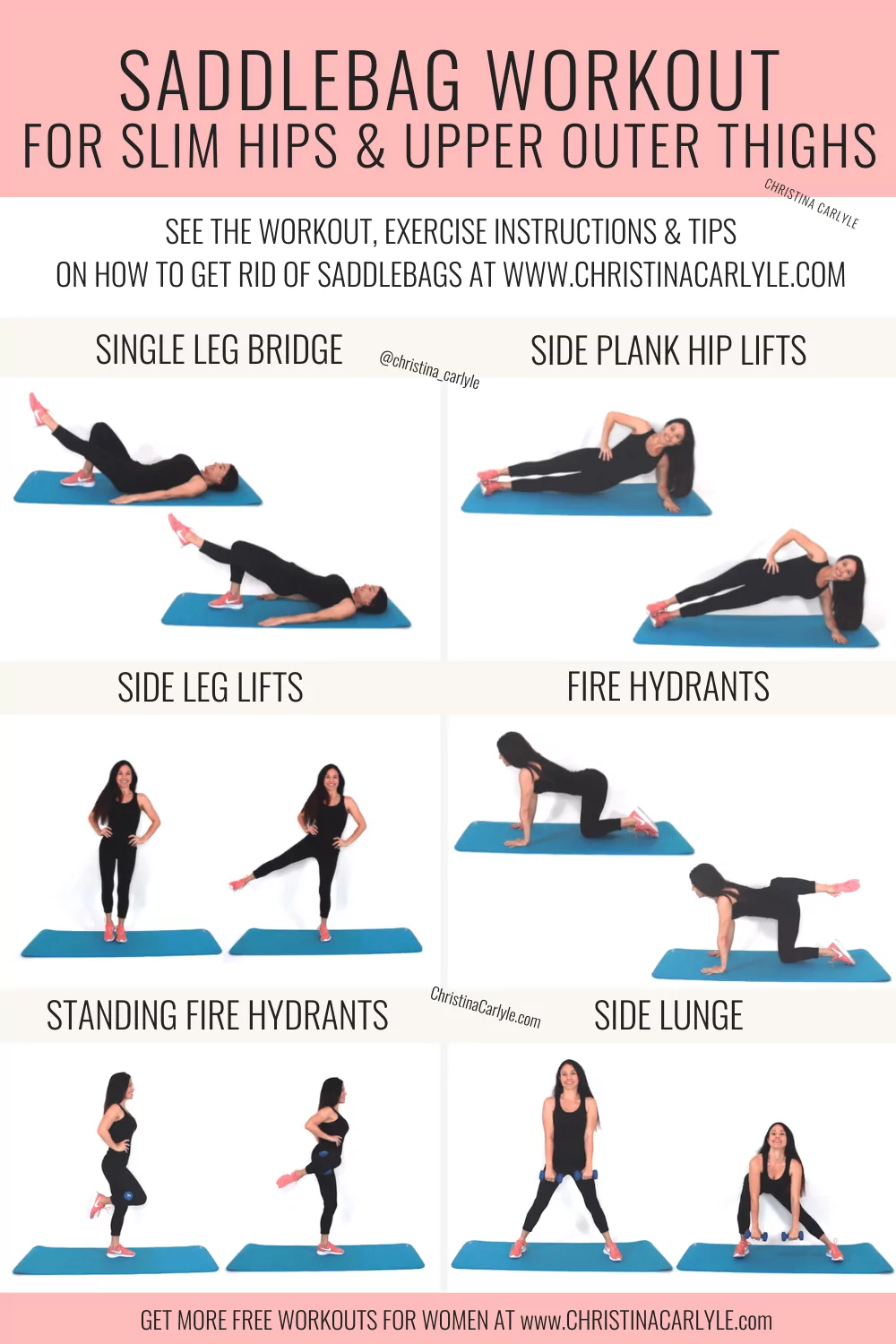
Image Source: www.christinacarlyle.com
Figuring Out Saddlebags
Saddlebags are fatty areas. They are on the sides of your outer thighs. They can make your hips look wider. People often see them as a problem spot. They can be hard to hide in some clothes.
This type of fat is called subcutaneous fat. This means it sits right under your skin. It’s different from fat around your organs. Subcutaneous fat, especially in areas like saddlebags, can be very stubborn for some people.
Why Saddlebags Stick Around
This fat is often hard to lose. It’s not just about eating too much or not moving enough. Many things cause saddlebags.
- Your Genes: How your body stores fat often comes from your family. If your mother or grandmother had saddlebags, you might too. It’s just how your body is built.
- Hormones: Changes in hormones, like during puberty or pregnancy, can affect where your body puts fat. Women often store more fat in the hips, thighs, and butt areas. This includes saddlebags.
- Body Shape: Some people have a body shape where fat naturally collects in the outer thighs. This is just their body type.
- Fat Cells: The number of fat cells in your body is mostly set when you are a child. These cells can get bigger or smaller. But the number stays mostly the same. Saddlebags have a lot of fat cells that like to hold onto fat.
Because of these reasons, even with lots of whole-body weight loss, saddlebags might not shrink as much as other body parts. This is why people look for other ways to target this specific area.
How to Reduce Saddlebags Without Sweat
There are many ways to try and reduce the look of saddlebags. These methods do not need you to do hard workouts. They range from changing what you eat to getting help from medical experts.
Eating Smart for Saddlebags
Eating well helps your whole body lose fat. While no one food gets rid of saddlebags alone, a good eating plan helps lower your overall body fat. This can make saddlebags less noticeable. A good diet plan for saddlebags focuses on healthy foods and managing how much you eat.
Here are simple steps for eating well:
- Eat Real Food: Focus on foods that come from nature.
- Fruits (like apples, berries)
- Veggies (like leafy greens, broccoli)
- Lean protein (like chicken, fish, beans)
- Healthy fats (like avocados, nuts, olive oil)
- Cut Down on Bad Stuff:
- Less sugar (like in candy, sweet drinks)
- Less processed foods (like chips, packaged snacks)
- Less unhealthy fats (like in fried foods)
- Drink Lots of Water: Water helps your body work right. It can also help you feel full.
- Watch How Much You Eat: Even healthy food has calories. Eating fewer calories than your body uses helps you lose weight everywhere, including saddlebags over time.
Eating this way helps reduce swelling in the body. It helps your body use fat for energy. This kind of eating is good for your health in many ways, not just for saddlebags. It’s a key part of any plan to reduce fat, even without exercise.
Body Shaping Help Without the Knife
Many modern methods can target fat in certain spots. These are called non-surgical thigh fat reduction methods. A doctor or trained expert does these. They use different types of energy or tools to affect the fat cells.
Freezing Fat Away (CoolSculpting)
This method uses very cold temperatures to kill fat cells. It’s called cryolipolysis. CoolSculpting saddlebags is a popular use for this method.
How it works:
- A special tool is put on the saddlebag area.
- This tool pulls the fat up between two cooling plates.
- It gets very, very cold. Fat cells freeze and die at higher temperatures than skin cells. This means the skin is not hurt.
- The cold feeling lasts for a few minutes. Then the area feels numb.
- After the tool is taken off, the area is massaged. This helps break up the frozen fat cells.
What to expect:
- Each session takes about 35 to 60 minutes per side.
- You might feel pulling, tugging, pinching, aching, or coldness.
- After the treatment, the area might be red, swollen, bruised, or sore for a while.
- Your body slowly gets rid of the dead fat cells over weeks and months.
- You often need one to three sessions to see good results.
- The results are not fast. You start to see changes after about 3 weeks. The best results show up after 2 to 3 months.
CoolSculpting is good for people who have a clear pocket of fat that can be pinched. It’s not for losing a lot of weight. It’s for shaping specific areas like saddlebags.
Using Sound Waves (Cavitation)
This method uses ultrasound energy. It’s called ultrasonic cavitation. It’s a way of cavitation saddlebag removal.
How it works:
- A machine with a special head is moved over the skin on the saddlebags.
- It sends out sound waves that you can’t hear.
- These sound waves create small bubbles inside the fatty tissue.
- These bubbles pop and break apart the fat cell walls.
- The liquid fat is then taken away by the body’s waste system.
What to expect:
- The treatment usually takes about 30 to 50 minutes.
- You might hear a buzzing sound during the treatment. It’s usually not painful, maybe just a warm feeling.
- You often need several sessions, maybe 6 to 12, spread out over a few weeks.
- There is usually no downtime. You can go back to normal life right away.
- Results show up over time as the body clears the broken-down fat.
Cavitation works best when used with other things like a healthy diet and drinking lots of water. It helps target fat cells, but the body needs to remove the waste.
Heating Things Up (Radiofrequency)
Radiofrequency (RF) energy is another way to work on fat and skin. Radiofrequency saddlebags treatments use heat.
How it works:
- A device sends RF energy into the skin and fat layers.
- This energy heats the tissue.
- The heat damages fat cells, making them release fatty acids. These are then removed by the body.
- The heat also helps tighten the skin by making the body create more collagen. Collagen is like the building block for firm skin.
What to expect:
- Sessions usually last from 30 to 60 minutes.
- You feel warmth, which can be set to a comfortable level.
- Several sessions are needed, perhaps 6 to 8.
- There is usually no recovery time.
- Besides reducing some fat, this can also help the skin look smoother and firmer. This is helpful if you also have bumpy skin (cellulite saddlebag treatment).
RF is good for targeting fat while also improving skin firmness. This can make the saddlebag area look better overall, not just smaller.
Shots to Dissolve Fat
Using special shots is another way to target fat directly. Fat dissolving injections thighs contain substances that break down fat cells. Deoxycholic acid is a common substance used.
How it works:
- A doctor or nurse maps out the area to be treated.
- A series of small shots are given directly into the saddlebag fat.
- The medicine in the shots breaks down the walls of the fat cells.
- The body then takes away the broken-down fat cells naturally.
What to expect:
- Each session involves many tiny needle pokes.
- You might feel stinging, burning, or pain during and after the shots.
- Swelling, bruising, redness, and numbness are common after effects. These can last for days or even a couple of weeks.
- Multiple sessions are needed, usually 2 to 4 sessions or more, spaced about a month apart.
- Results appear over weeks and months as the body removes the fat.
This method is good for small, defined areas of fat. It’s a more direct way to kill fat cells in a specific spot.
Considering Surgery (Liposuction)
While this post is about methods without exercise, it’s good to know about surgical options as well. Liposuction outer thighs is a surgical way to remove fat.
How it works:
- A doctor makes small cuts in the skin.
- A thin tube (called a cannula) is put through the cuts into the fat layer.
- The doctor moves the tube around to break up the fat.
- A vacuum or syringe is used to suck the fat out of the body.
What to expect:
- This is a medical surgery. It can be done under local or general sleep medicine.
- It removes a lot more fat than non-surgical methods, often in one session.
- There is real recovery time needed. You will have swelling, bruising, and soreness.
- You will need to wear a special tight garment for several weeks to help the area heal and shrink.
- Risks are higher than with non-surgical methods (like infection, bleeding, uneven results).
- The results are usually seen after the swelling goes down, which takes several months.
Liposuction gives faster and often more dramatic results for removing fat. But it’s a bigger step and costs more. It requires healing time.
Creams and Rubs
Many creams are sold that say they can reduce fat. These are called saddlebag reduction creams.
How they work:
- Most creams contain ingredients like caffeine, retinol, or plant extracts.
- These ingredients might help improve blood flow or make the skin look tighter.
- Some might help reduce the appearance of water held in the tissue.
What to expect:
- Creams are easy to use at home. You just rub them on the skin.
- They might make your skin feel smoother or look slightly firmer.
- They might help reduce the look of bumpy skin (cellulite saddlebag treatment).
- However, creams cannot melt or remove fat cells deep under the skin. The molecules are too big to go that deep.
- Any effect on size is usually very small or temporary.
Creams can be a nice addition for skin quality, but they are not a stand-alone answer for reducing the size of saddlebags caused by fat. Don’t expect them to work like medical treatments.
Trying Massage
Getting a massage for thigh fat reduction feels good and can help your body in some ways.
How it works:
- Massage helps move fluid around in the body, especially through the lymphatic system.
- This can help reduce swelling and make the area look less puffy.
- It can improve blood flow to the skin and muscles.
- Some types of massage, like deep tissue or lymphatic drainage massage, are thought to help with fat removal by aiding the body’s waste system.
What to expect:
- Massage is relaxing and can make the skin feel better.
- It can help reduce the look of bumpy skin (cellulite) for a short time by improving circulation.
- But, like creams, massage does not remove fat cells. It cannot break them down or make them disappear.
- Any changes in size are usually small and not due to actual fat loss from the massage itself.
Massage is great for health, stress, and feeling good. It can improve skin look and reduce puffiness. But it is not a method to directly reduce fat in saddlebags.
Getting More Done Together
Sometimes using more than one method works best. For example, someone might use CoolSculpting to reduce the amount of fat. Then they might use radiofrequency to tighten the skin in the same area.
- Combining a healthy diet plan for saddlebags with non-surgical treatments like CoolSculpting or injections can help you see better overall results. The diet helps reduce fat everywhere, while the treatments target the specific spot.
- Using creams or massage might help with the look of the skin or reduce puffiness after a medical treatment.
A doctor or expert can help you choose the right mix of methods for your body and your goals. They can create a plan just for you.
Other Good Habits
Even without hard exercise, some simple daily habits can support your goal of reducing saddlebags and feeling healthier.
- Get Enough Sleep: When you don’t get enough sleep, your body can make more stress hormones. These hormones can make your body store more fat, especially around the middle and maybe other areas too. Aim for 7-9 hours of good sleep each night.
- Control Stress: Like not enough sleep, high stress makes your body release hormones that can lead to fat storage. Finding ways to relax, like deep breathing, walking (gentle movement is okay!), or hobbies, can help.
- Stay Hydrated: Drinking water is important for your body’s systems, including how it handles fat and waste. Water also helps your skin look its best.
These habits support your body’s natural processes. While they don’t directly melt saddlebags, they create a better environment for your body to be healthy and manage fat.
Knowing What to Expect
It’s very important to have real ideas about what these methods can do.
- No method is magic. Saddlebags are stubborn. Even with treatments, they might not disappear completely.
- Results take time. Non-surgical methods show results slowly over weeks or months. Even liposuction needs months for swelling to go down.
- What works for one person may not work the same for another. Everyone’s body is different. Your genes, hormones, and how your body stores fat are unique.
- These methods are for fat reduction, not weight loss. If you need to lose a lot of weight, diet and exercise are key. These treatments are for shaping and reducing small pockets of fat.
- Costs add up. Non-surgical treatments require multiple sessions, and each session costs money. Liposuction is a big cost upfront. Creams and massages are ongoing costs.
Talk to a doctor or expert who does these treatments. They can tell you what might be best for you. They can also give you an honest idea of the results you might see. Managing your hopes is a big part of being happy with the results.
Making Your Choice
Thinking about which method to try involves a few things.
- How much fat is there? For larger amounts of fat, liposuction might be discussed. For smaller, pinchable areas, non-surgical options like CoolSculpting or injections are popular.
- What are you okay with? Are you okay with needles (injections)? Cold (CoolSculpting)? Heat (Radiofrequency)? Surgery and recovery time (Liposuction)?
- What is your budget? Prices for these treatments vary a lot. Non-surgical methods cost less per session but need many sessions. Liposuction costs more upfront but is often one time. Creams and massage cost less per time but don’t remove fat.
- How fast do you want results? Liposuction gives faster results than non-surgical options. Non-surgical results appear slowly over months.
A doctor visit is the first step for medical options. They can look at your saddlebags, listen to what you want, and explain the choices. They can help you understand the risks and benefits of each method for you.
Common Questions
Here are answers to questions people often ask about reducing saddlebags without exercise.
Do these methods work for everyone?
No. How well these methods work is different for each person. It depends on your body, the amount of fat, your skin, and how well your body responds to the treatment.
Are they painful?
It depends on the method. Non-surgical methods usually have less pain than surgery. CoolSculpting is very cold at first, then numb. Cavitation is usually not painful, maybe just warm or a buzzing sound. Radiofrequency is warm. Injections can sting or burn. Liposuction requires pain medicine because it’s surgery.
How long until I see results?
This varies a lot. For non-surgical methods, results show up slowly over 1 to 4 months after your last session. For liposuction, you see changes after swelling goes down, which can take several months. Creams and massage offer very small, short-term changes, mostly in skin feel or puffiness.
How much do they cost?
The cost is very different based on the method, how many sessions you need, and where you live. Non-surgical sessions can range from a few hundred to over a thousand dollars each. Liposuction can cost several thousand dollars. Creams are often under $100, and massage sessions vary widely.
Can saddlebags come back?
Yes, they can. The fat cells that are removed or destroyed by medical treatments are gone forever. However, the fat cells that are left in the area, or fat cells in other parts of your body, can still get bigger if you gain weight. Keeping a stable weight through healthy eating and habits is key to keeping results.
Your Path Forward
Reducing saddlebags without doing exercise is possible for many people. There are choices like special diets, freezing fat, using sound waves or heat, or getting injections. Surgery like liposuction is also an option if you are okay with a medical procedure. Creams and massage can help the skin but don’t remove fat.
The best first step is to learn about the options. Think about what feels right for you and your body. Talking to a doctor or expert who knows about these treatments is very helpful. They can guide you to the best plan. Remember, it’s about feeling good and confident in your own skin.