Yes, you absolutely can and often should exercise while Wearing a Holter monitor while exercising. Your doctor usually wants you to do your normal daily tasks, including exercise, so the monitor can record your heart’s activity during different kinds of stress and physical activity wearing heart monitor. This helps them see if your heart rhythm changes when you are active, which is key information for figuring out what is going on.
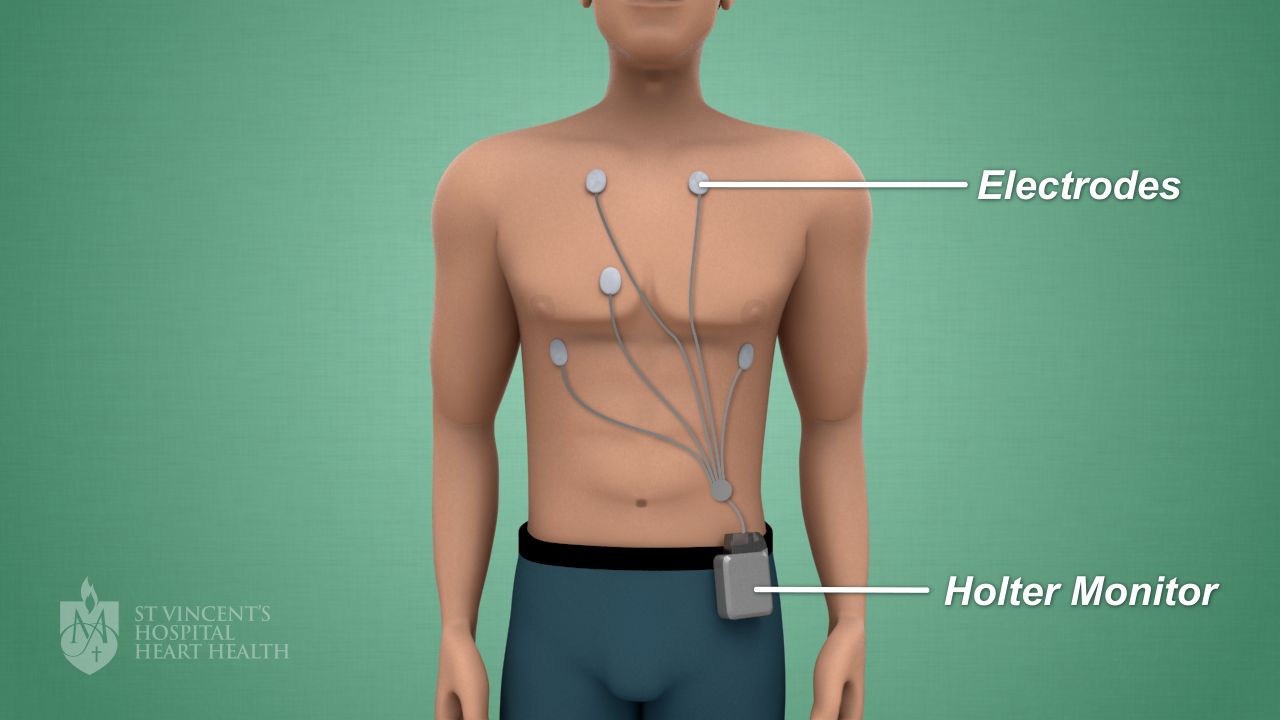
Image Source: www.svhhearthealth.com.au
Grasping What a Holter Monitor Does
Let’s first take a quick look at what a Holter monitor is. It’s a small, portable machine that records your heart’s electrical signals all day and night. Doctors use it to catch heart rhythm problems that might not show up during a short visit to their office or even during a regular ECG test.
Think of it like a movie camera for your heart. A regular ECG in the doctor’s office is just a snapshot. The Holter monitor records the whole movie, showing what your heart does while you’re sleeping, eating, walking, and yes, even when you’re exercising.
The monitor itself is usually about the size of a deck of cards or a small phone. It connects to several small sticky pads called electrodes that are placed on your chest. Wires run from the electrodes to the monitor, which you wear on a strap or belt. It’s designed to be worn discreetly under your clothes.
Why Doctors Use This Test
Doctors order a Holter test for different reasons. Maybe you’ve had symptoms like:
- Feeling like your heart is skipping beats (palpitations).
- Feeling dizzy or lightheaded.
- Having unexplained fainting spells.
- Feeling chest pain.
- Feeling unusually tired.
Or maybe your doctor wants to check how well certain heart medicines are working. The Holter test and exercise connection is important because some heart issues only show up when your heart is working harder.
The Point of Being Active While Monitored
Now, why would your doctor want you to exercise while wearing this device? It goes back to getting a complete picture. Many heart rhythm problems are triggered or made worse by physical activity.
If you only wore the monitor while sitting still, the test might miss important information. By doing your usual exercise routine, you give the monitor a chance to record how your heart behaves under stress. This helps your doctor link any symptoms you feel during exercise to specific changes in your heart’s rhythm.
So, Wearing a Holter monitor while exercising is not just allowed; it’s often a necessary part of the test. It helps your doctor understand if your symptoms (like feeling dizzy or a racing heart) happen because you’re active, or if they happen regardless of what you’re doing.
Following Doctor’s Directives
This is perhaps the most important point: Always follow your doctor’s instructions Holter monitor exercise. The amount and type of physical activity wearing heart monitor you can do depends on why you’re wearing the monitor and your overall health.
Your doctor might tell you:
- “Continue all your normal activities, including your usual exercise routine.”
- “Try to do things that usually make you feel symptoms, like climbing stairs or walking quickly.”
- “Avoid strenuous exercise, but keep up with light activities like walking.”
- “Avoid getting the monitor wet.”
These instructions are tailored just for you. Don’t try to guess what you should or shouldn’t do. If you are unsure about any activity, call your doctor’s office and ask.
Your doctor will also likely give you a diary or logbook. It’s crucial to use this! Write down:
- The time you felt any symptoms (like a racing heart, dizziness, chest pain).
- What you were doing just before or during the symptom (e.g., walking upstairs, lifting something heavy, resting).
- How long the symptom lasted.
- What you did to make the symptom stop.
This logbook, combined with the monitor’s recording, gives your doctor the best information. If you feel a symptom during exercise, write it down immediately.
What Physical Activities Are Usually Fine?
For most people, everyday physical activity wearing heart monitor is perfectly fine and expected. This includes things like:
- Walking at a normal pace.
- Doing household chores (cleaning, gardening).
- Going up and down stairs.
- Walking the dog.
- Light shopping.
When it comes to intentional exercise, many common activities are also usually okay, if your doctor approves and they are part of your normal routine or something you’ve been asked to do to trigger symptoms.
Common Acceptable Exercises (Check with Doctor)
- Walking: Brisk walking is often encouraged, especially if it’s part of your regular activity or if walking sometimes brings on your symptoms.
- Light Jogging: If you are a runner, your doctor might want you to continue light jogging. However, exercise limitations with heart monitor can apply if your doctor advises against strenuous activity.
- Cycling (Stationary or Casual): Riding a bike on a flat path or using a stationary bike at a moderate pace is often okay.
- Yoga or Stretching: Gentle forms are usually fine, as long as you avoid poses that could dislodge electrodes or get the device wet if you sweat a lot.
- Light Weight Lifting: Using very light weights or doing bodyweight exercises might be acceptable, but avoid heavy lifting which can strain your heart significantly.
Remember, the goal is to record your heart during typical or symptom-triggering activities. If light walking never gives you symptoms but running does, your doctor might ask you to try running (if it’s safe for you) to capture that event.
Possible Activity Restrictions Holter Monitor
While much activity is allowed, there are some definite activity restrictions Holter monitor. These often relate to protecting the device or avoiding activities that are unsafe or might cause the electrodes to fall off too easily.
Activities Often Discouraged or Forbidden
- Swimming or Bathing: Holter monitors are not waterproof. You cannot shower, bathe, or swim while wearing one. This is a major restriction! You will need to disconnect the monitor for a quick shower if allowed by the specific device and your doctor’s instructions, but submersion is forbidden.
- Heavy Sweating Activities: While can you sweat with a Holter monitor? Yes, you can and will. However, excessive sweating can be a big problem for the electrodes. Activities that cause profuse sweating, like intense cardio workouts, saunas, or hot tubs, should often be avoided or managed carefully. We’ll talk more about managing sweat Holter monitor soon.
- Contact Sports: Any activity where the monitor or wires could be hit, pulled, or damaged should be avoided. This includes sports like football, basketball, rugby, or martial arts. Sports with ECG monitor that involve impact are usually off-limits.
- Activities Causing Extreme Movement: Tumbling, gymnastics, or similar activities with lots of rolling and twisting could dislodge electrodes or damage wires.
- Activities Near Strong Magnets or Electrical Fields: While modern monitors are more robust, it’s generally wise to avoid things like MRI machines (absolutely forbidden!), powerful industrial magnets, or areas with strong electrical interference, which could affect the recording.
The key takeaway here is to protect the device and ensure the electrodes stay attached securely. If an activity makes either of those things difficult or risky, it’s probably an exercise limitation with heart monitor.
Practical Advice for Exercising with a Holter
Okay, you know you can exercise, and you know what’s generally allowed or not. Now, how do you actually do it successfully while wearing the monitor? Here are key Holter monitor precautions during exercise.
1. Keep Electrodes Stuck Tight
This is probably the biggest practical challenge, especially with sweat. The sticky pads need good contact with your skin to pick up your heart’s signals.
- Skin Prep: When the electrodes were first put on, the technician likely cleaned the skin well, maybe even shaved a little hair. This helps them stick.
- Check Often: Periodically check that the pads are still firmly stuck down, especially around the edges.
- Re-taping: If a pad starts to lift, you might be able to press it back down. Some technicians provide extra tape (like medical tape) you can use to help secure the edges of the pads or the wires if they feel loose. Only do this if instructed or shown how by the technician.
- Avoid Lotion/Oils: Do not put any lotions, oils, or powders on your chest where the pads are placed, as this will make them peel off quickly.
2. Managing Sweat Holter Monitor
Sweat is the enemy of electrode adhesion. The salt and moisture can loosen the adhesive and interfere with the signal. Here’s how to cope:
- Choose Exercise Time Wisely: If possible, exercise during cooler parts of the day.
- Wear Breathable Clothes: Loose, cotton clothing can help keep you cooler and allow sweat to evaporate instead of pooling.
- Use a Small Towel: Gently pat away sweat from around the electrodes. Do not rub directly over the pads, as this can loosen them. Just pat the surrounding skin dry.
- Avoid Overheating: Don’t push yourself to the point of excessive sweating, especially if this isn’t part of your normal routine or your doctor’s request.
- Consider Your Route/Location: Exercising in an air-conditioned gym might be better than running outside on a hot, humid day.
- Change Clothes if Needed: If your shirt gets soaked with sweat, change into a dry one.
The goal isn’t necessarily to avoid any sweat, but to keep the electrode area as dry and functional as possible. If can you sweat with a Holter monitor is a concern for a specific activity, talk to your doctor about whether that activity is essential for your test.
3. Secure the Device and Wires
The Holter monitor unit itself is usually worn on a strap or belt clip.
- Keep it Close: Ensure the device is secure and won’t bounce around excessively during movement. A snug belt clip or a pouch can help.
- Manage Wires: The wires connecting the electrodes to the monitor need to be kept out of the way. Tuck them under your clothes. Make sure they aren’t snagged or pulled. Be careful when changing clothes not to yank on the wires.
A hard pull on a wire can dislodge an electrode or even damage the wire or the monitor. Holter monitor precautions during exercise include protecting the equipment itself.
4. Wear the Right Clothes
Comfortable, relatively loose-fitting clothes are best.
- Upper Body: A cotton t-shirt is usually a good base layer. Women might find wearing a soft bra or a sports bra (not too tight) over the electrodes helps hold things in place, as long as it doesn’t irritate the skin or put too much pressure on the pads. Avoid tight tank tops or anything that pulls across the chest in a way that might dislodge pads.
- Lower Body: Wear whatever is comfortable for your exercise, ensuring the monitor location (belt or strap) is compatible.
Choose clothes that allow you to move freely but keep the monitor and wires protected and out of the way.
5. Keep That Logbook Handy
As mentioned before, the logbook is vital. If you plan to exercise, make sure you have the logbook (or a way to make notes, like your phone) with you or accessible right after.
- Note the Start and End Time: Write down when you start and finish your exercise.
- Note the Type of Exercise: Be specific (e.g., “Brisk walk around park,” “Climbed 3 flights of stairs quickly,” “Lifted light weights for 15 mins”).
- Note Intensity (Simply): Was it light, moderate, or strenuous for you?
- Note Symptoms: If you feel any symptom, note the exact time and what it felt like. Did you press the event button on the monitor? Note that too.
This detailed information helps your doctor match what you felt with the heart rhythm the monitor recorded at that exact moment. This is the core purpose of Wearing a Holter monitor while exercising.
6. What If an Electrode Comes Loose?
Despite your best efforts, an electrode might peel up or come completely off. What should you do?
- Try to Reattach: If it’s just peeling at the edge, press it firmly back down.
- Use Tape: If you were given medical tape, try taping down the edges.
- If it Comes Off Completely: If you have a spare electrode and were shown how to replace it, you might be able to put a new one on after cleaning the skin. However, usually, you should call the monitoring service or your doctor’s office for guidance. They can tell you if you need to come in to have it reattached or if the test can continue with one missing (unlikely for good data).
- Do Not Try to Fix Wires: If a wire seems damaged or disconnected from the monitor itself, do not try to fix it. Call for help.
Losing electrodes, especially several, can make the test data useless. This is why managing sweat Holter monitor and securing the device are critical Holter monitor precautions during exercise.
When Exercise Limitations with Heart Monitor Are Strict
Sometimes, despite the general rule, your doctor might place strict activity restrictions Holter monitor. This is usually because of the reason you are wearing the monitor.
For example, if you are being monitored because you recently had a heart attack, or if you have a severe heart condition where strenuous activity is currently unsafe, your doctor will likely tell you to keep your activity level low. In such cases, physical activity wearing heart monitor might be limited to just light walking or your usual daily tasks, with no specific exercise routine.
Always prioritize your doctor’s specific instructions over general advice. They know your medical history and what is safe and necessary for your test.
Sports with ECG Monitor: Mostly a No-Go
As touched upon earlier, most sports with ECG monitor are not recommended. This includes things like:
- Competitive team sports (soccer, hockey, volleyball).
- Running intense sprints or marathons.
- Weightlifting using heavy weights.
- High-impact activities (jumping rope intensely, certain dance styles).
- Combat sports.
The risks are high for:
- Damaging the monitor or wires.
- Having electrodes ripped off forcefully.
- Excessive sweating that ruins the recording.
- Potential safety concerns if you have a heart event during a strenuous or high-impact activity.
The monitor is a diagnostic tool, not protective gear. While Wearing a Holter monitor while exercising is okay, turning it into a liability during intense sports is not.
The Holter Test and Exercise: Getting the Full Picture
The whole point of the Holter test and exercise combination is to see how your heart works under different loads. The monitor is trying to catch events that happen only when your heart rate goes up or when you are physically stressed.
By following your doctor’s instructions Holter monitor exercise and carefully logging your activities and any symptoms, you help your doctor get the most accurate and useful data from the test. This data is then used to make important decisions about your health care.
It’s not just about ‘can you exercise’, but ‘should you exercise’ in a way that helps the test be most effective, within safe limits set by your doctor. Holter monitor precautions during exercise like managing sweat and securing the equipment ensure the recording is clear and continuous during your activity.
Summarizing Practical Steps for Activity
To recap, if your doctor says exercise is okay while wearing the Holter monitor, here are the key steps:
- Listen to Your Doctor: Follow their specific activity restrictions Holter monitor and guidance on what level of physical activity wearing heart monitor is appropriate for you.
- Secure Everything: Ensure electrodes are well-stuck and the monitor/wires are secure and won’t be pulled.
- Manage Sweat: Be aware of sweat and take steps for managing sweat Holter monitor to keep the electrode area as dry as possible. Remember can you sweat with a Holter monitor, yes, but too much can be a problem.
- Wear Appropriate Clothes: Choose clothes that are comfortable, breathable, and protect the equipment.
- Log Everything: Use your diary to record the start and end time of exercise, the type of activity, and any symptoms felt during Wearing a Holter monitor while exercising.
- Know Your Limits: Be aware of exercise limitations with heart monitor – avoid water activities, contact sports (sports with ECG monitor), and activities that risk damaging the equipment unless specifically told otherwise.
- Report Issues: If an electrode comes off or the monitor seems faulty, contact the provided number.
By taking these Holter monitor precautions during exercise, you can help ensure the Holter test provides the best possible information for your doctor.
FAQs about Holter Monitors and Exercise
Here are some common questions people ask about being active while wearing a Holter monitor.
h4 What if I feel dizzy or have chest pain while exercising with the monitor on?
If you feel any concerning symptoms like dizziness, severe shortness of breath, or chest pain while exercising, stop the activity immediately. Rest and follow any specific instructions your doctor gave you for dealing with symptoms. Press the event button on your Holter monitor at the time the symptom starts or is happening. Write down in your logbook exactly what happened, the time, what you were doing, and how you felt. This is crucial data for your doctor. If symptoms are severe or do not go away, seek immediate medical help.
h4 Can I walk on a treadmill?
Yes, walking on a treadmill is generally fine, provided it’s part of your normal routine or requested by your doctor, and you can do so without excessive sweating. Just be mindful of managing sweat Holter monitor precautions during exercise and ensuring the monitor and wires are secure so they don’t get caught on the machine.
h4 Can I lift weights?
Light weightlifting might be acceptable, but heavy lifting is usually discouraged due to the potential for significant heart strain and the risk of pulling wires or dislodging electrodes during forceful movements. Always check with your doctor about exercise limitations with heart monitor regarding weightlifting.
h4 How long does the Holter test last?
Most standard Holter tests last for 24 or 48 hours. Extended monitoring might use a different type of device (like a patch monitor or event recorder) that can be worn for longer periods, sometimes up to 14 days. The duration of the test doesn’t usually change the basic rules about activity restrictions Holter monitor or managing sweat Holter monitor.
h4 Can I take off the monitor to exercise?
No, you cannot take off the monitor to exercise (or for any other reason besides a quick shower if specifically instructed how to temporarily disconnect it). The point is to record your heart’s activity during your activities, including exercise. Removing it interrupts the recording and defeats the purpose of the test.
h4 Will the monitor record automatically when I exercise?
Yes, the monitor records continuously for the entire duration it’s worn. You don’t need to do anything special to make it record during exercise, other than perhaps pressing the event button if you feel a symptom. Recording your activity in the logbook helps your doctor find the specific time on the recording when you were exercising.
h4 Are there specific Holter monitor precautions during exercise for different types of exercise?
Yes. For walking/jogging, focus on securing wires and managing sweat. For activities involving bending or stretching (like yoga), be careful not to pull electrodes. For any activity, avoid contact that could damage the device and any motion that causes wires to snag. The key is minimal impact on the device and electrodes while allowing you to perform the activity.
h4 What if Wearing a Holter monitor while exercising makes my skin itchy?
Skin irritation from the electrodes is possible. It can be caused by the adhesive, sweat trapped under the pad, or rubbing from clothing/wires. Try to avoid scratching the pads directly. If irritation is severe, contact the monitoring service or your doctor. They might suggest placing the electrode slightly differently or using a different type of pad, but they will need to guide this. Do not remove pads yourself due to itching unless told to do so.
h4 Does the size of the Holter monitor affect what exercise I can do?
Modern Holter monitors are quite small. While some older models might be bulkier, they are all designed to be relatively non-intrusive during normal daily activities. The primary limitations on exercise come from protecting the electrodes from sweat and movement, and protecting the device from impact or water, rather than the size of the monitor itself being a major physical barrier to movement (except perhaps in very tight clothing or highly acrobatic activities).
h4 Can sports with ECG monitor like golf or tennis be played?
Moderate activities like golf (walking the course, swinging gently) might be possible if approved by your doctor. Tennis, being more vigorous with sudden movements and potential for more sweat, is likely more problematic and would fall under activity restrictions Holter monitor for many people, depending on intensity and how well you can secure the equipment. Always get specific approval from your doctor for any sport.
Conclusion
Wearing a Holter monitor does not mean you have to become a couch potato. For most people, continuing your normal activities, including moderate exercise, is an expected and important part of the test. Wearing a Holter monitor while exercising helps your doctor gather crucial information about your heart’s response to physical stress.
By following your doctor’s instructions Holter monitor exercise, paying attention to Holter monitor precautions during exercise like securing the device and managing sweat Holter monitor, and diligently using your logbook, you help ensure the Holter test and exercise provides the clearest picture possible of your heart’s health. Don’t let the monitor stop you from being active, but do be smart and safe about it, keeping in mind any activity restrictions Holter monitor or exercise limitations with heart monitor your doctor advises. Your doctor is your best guide for how to approach exercise during your monitoring period.