How much exercise does a Great Dane need? The amount of exercise a Great Dane needs changes a lot as they grow, especially between puppyhood and adulthood. Generally, adult Great Danes need a moderate amount of exercise each day to stay healthy and happy, but puppies need much less and it must be done very carefully to protect their growing bodies.
Great Danes are big dogs, but they are not always high-energy dogs once they grow up. They often love to lounge around. However, regular movement is key for their health. Let’s look closely at their exercise needs at different ages.
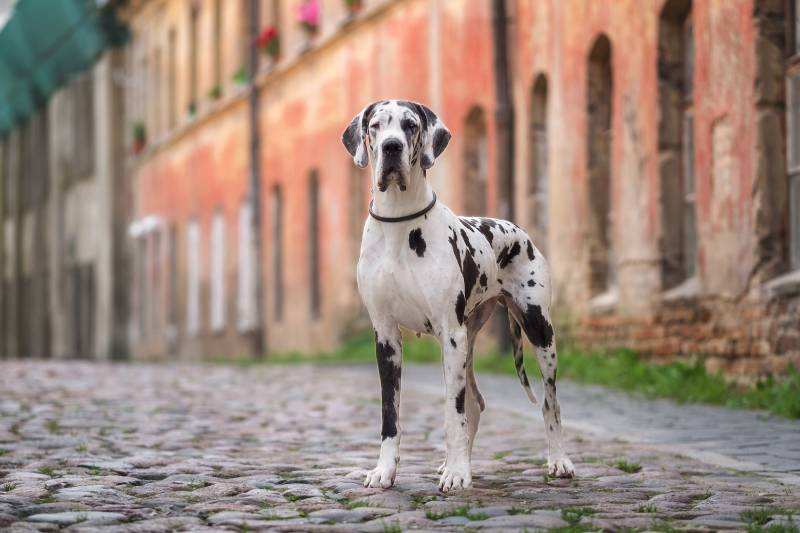
Image Source: www.dogster.com
Exercise for Great Dane Puppies
Great Dane puppies are cute and clumsy. They grow incredibly fast. This fast growth means their bones, joints, and muscles are very delicate. Too much hard exercise too soon can cause serious, lifelong problems. Safe exercise for Great Dane puppies is very important.
When thinking about Great Dane puppy exercise, think ‘short and gentle’. Hard running, jumping from high places, or long walks are not good for young puppies. Their growth plates, the soft parts of their bones where growth happens, are still open. Too much impact can hurt these areas.
How Much Activity for Young Puppies
For very young puppies, say from 8 weeks to 4 or 5 months old, most of their activity should be playtime. This means playing in the house or a safe, soft yard.
- Short bursts of play are best. Maybe 5-10 minutes at a time.
- Let the puppy decide when to stop. If they lie down, they are tired.
- Do not force them to keep playing or walking.
- Running around in a soft yard is okay, as long as they are not pushed too hard.
Think about the “five-minute rule”. This rule suggests about 5 minutes of planned exercise per month of age, done maybe twice a day.
* 2 months old: 10 minutes total per day (5 mins * 2)
* 3 months old: 15 minutes total per day (5 mins * 3)
* 4 months old: 20 minutes total per day (5 mins * 4)
* 5 months old: 25 minutes total per day (5 mins * 5)
This is a guide, not a strict rule. Watch your puppy. If they seem tired after 5 minutes, stop.
What Kind of Exercise is Okay?
- Gentle Play: Playing with toys, chasing a ball short distances on a soft surface.
- Short Walks: Very short walks on a leash are good for training and seeing the world. These walks should be slow and not too long. A few blocks might be plenty for a young puppy.
- Exploring: Letting them walk around a safe, soft area like a grassy yard at their own pace.
- Puppy Classes: Socializing in a controlled puppy class is good mental and some physical activity, but avoid rough play with much larger or smaller dogs.
What Exercise to Avoid
- Long Walks/Hikes: Do not take young puppies on long walks.
- Running: Avoid running with a puppy, especially on hard ground or concrete. Do not let them run for long periods.
- Jumping: Do not let them jump off furniture or out of cars. Limit jumping during play.
- Stairs: Try to limit going up and down stairs a lot. Carry them if possible, especially when going down.
- Hard Surfaces: Avoid long periods of exercise on concrete or asphalt. Grass or dirt is better.
- Forced Exercise: Never make a puppy exercise when they are tired.
These careful steps for Great Dane puppy exercise help prevent problems like hip dysplasia, elbow dysplasia, and osteochondritis dissecans (OCD). These are joint and bone issues that giant breeds can get.
As the puppy gets older (6-12 months), you can slowly increase the length and type of exercise. But still be careful. They are not fully grown until they are 18-24 months old. Continue to avoid hard impact activities until they are mature.
Exercise Needs for Adult Great Danes
Adult Great Danes have different needs than puppies. Once their growth plates are closed (usually by 18-24 months old), they can handle more activity. Adult Great Dane exercise needs are moderate. They need regular movement to stay healthy, keep muscles strong, and manage their weight.
Daily exercise Great Dane style is important. This usually means one or two walks per day, plus some playtime.
How Much Exercise Does an Adult Need?
Most adult Great Danes need about 30-60 minutes of exercise per day. This can be split into two shorter sessions or one longer one.
- Walking: How much walking Great Dane adults need varies. A good walk is usually 20-30 minutes long, done once or twice a day. This helps them stretch their legs, see new things, and burn some energy.
- Playtime: Playing fetch (short throws!), tug-of-war (gently), or just running around in a safe yard adds to their daily activity.
- Mental Stimulation: Puzzle toys, training sessions, or learning new tricks are also forms of exercise for their minds. A tired mind helps make a tired body.
Some adult Great Danes are more energetic than others. Some might be happy with 30 minutes of walking and lounging. Others might need closer to an hour of brisk walking or more active play. Watch your dog’s energy levels.
Signs of Enough Exercise
- They are tired and relaxed after exercise.
- They sleep well.
- They are not restless or destructive (unless something else is wrong).
Signs of Too Little Exercise
- Restlessness, pacing.
- Destructive behavior (chewing furniture, etc.).
- Excessive barking.
- Weight gain.
- Low energy or depression (sometimes too little exercise can make them lazy).
Signs of Too Much Exercise
- Excessive panting that doesn’t stop quickly.
- Limping or stiffness.
- Trouble getting up.
- Seems very tired or slow the next day.
- Not wanting to exercise when you ask.
Finding the right amount is key. It’s a balance for Adult Great Dane exercise needs.
What are the Best Types of Exercise?
Choosing the best exercise for giant breeds like Great Danes means picking activities that are low impact but still provide good movement.
Recommended Activities
- Walking: This is the most common and often best exercise. Walk on different surfaces if possible (grass, dirt trails, pavement).
- Slow Jogging (for adults only): Once fully mature and cleared by a vet, some Great Danes might enjoy slow, short jogs. But many are not built for long-distance running.
- Swimming: This is excellent exercise! It is very low impact on joints and works many muscles. Make sure your Dane knows how to swim and is supervised. Not all Danes are natural swimmers. A life vest is a good idea.
- Fetch (short throws): Short games of fetch in a yard are good. Avoid long throws or repeated, hard stops which can be tough on joints.
- Play with other dogs: If your Great Dane is friendly and plays well, letting them play with other dogs (similar size is often better) can be great exercise and social time. Supervise play.
- Treibball or Nose Work: These are types of dog sports that are lower impact but provide great mental and physical activity. Treibball involves pushing large balls, and nose work involves finding hidden scents.
- Obedience or Rally: These activities use movement and commands, providing both physical and mental work.
Activities to Use Carefully or Avoid
- Long-distance running: Great Danes are not marathon dogs. Their size puts stress on their bodies during long runs.
- Hard Agility: While fun, the high jumps and sharp turns in agility can be hard on a Dane’s joints, especially if not built up slowly or if the dog isn’t physically suited.
- Jumping from heights: Still avoid high jumps even as adults.
- Rough play with much smaller or larger dogs: Can lead to accidental injury due to size difference.
Great Dane exercise duration should always match their ability and age.
Great Dane Energy Levels
Grasping Great Dane energy levels helps set the right exercise plan. Puppies have bursts of energy, followed by long naps. They have high energy in short spurts. Adult Great Danes typically have moderate to low energy levels compared to many other breeds.
They are often called “gentle giants” or “leaners” because they like to lean on you. They enjoy comfort and relaxing. A young adult might be more playful than an older, senior dog. But generally, they are not a breed that needs hours and hours of intense running every day.
Their energy level can also depend on:
* Age: Puppies have more bursts, seniors have less stamina.
* Health: Sick or painful dogs have low energy.
* Personality: Some individual Danes are more active than others.
* Diet: Poor diet can lead to low energy.
* Amount of rest: Like people, dogs need good sleep.
Do not expect your Great Dane to be a jogging partner for miles. Most will be happy with a good walk and some time to stretch out at home.
Making Exercise a Daily Routine
Creating a daily exercise Great Dane routine helps ensure they get what they need consistently. It also helps with training and behavior.
A possible daily schedule for an adult Dane might look like this:
| Time | Activity | Duration | Notes |
|---|---|---|---|
| Early Morning | Walk | 20-30 minutes | Good way to start the day, potty break |
| Mid-day | Short Play or Walk | 10-15 minutes | Depends on owner schedule, potty break |
| Late Afternoon | Training or Play | 15-20 minutes | Puzzle toys, fetch (short) |
| Evening | Walk | 20-30 minutes | Before dinner or a couple hours after |
| Before Bed | Quick Potty Break | 5 minutes | Last chance before sleeping |
This is just an example. You can adjust based on your schedule and your dog’s needs. The key is regular activity. Daily exercise Great Dane style means consistency. Skipping days often leads to a restless dog later.
For puppies, the routine would involve much shorter walks and more supervised indoor/outdoor play sessions spread throughout the day. Always follow the “five-minute rule” or similar guidance.
How Exercise Impacts Great Dane Health
Great Dane health and exercise are closely linked. Proper exercise helps prevent many problems and keeps your dog healthy and happy for longer.
Benefits of Great Dane exercise requirements being met:
- Healthy Weight: Regular movement burns calories and helps prevent obesity, which is very hard on a giant dog’s joints and heart.
- Strong Muscles and Joints: Exercise builds muscles that support their large frame. This is especially important for helping prevent or manage conditions like arthritis later in life. Controlled, low-impact movement keeps joints flexible.
- Heart Health: Like people, exercise helps keep a dog’s heart strong.
- Digestive Health: Regular movement can help with digestion. However, exercising too close to eating can be dangerous for Great Danes.
- Mental Health: Exercise reduces boredom, stress, and anxiety. It gives the dog something to do and think about. A well-exercised dog is often calmer and better behaved.
- Better Sleep: A dog that gets enough exercise sleeps better at night.
- Bonding: Exercising together is a great way to strengthen the bond between you and your dog.
Ignoring Great Dane exercise requirements can lead to:
* Obesity
* Joint problems getting worse
* Heart problems
* Behavior issues (destructive, restless)
* Muscle weakness
* Poor overall health
Safe Exercise for Great Dane Puppies and Adults
Safety must always come first. Safe exercise Great Dane puppies need means extreme caution with their growing bodies. For adults, it means being aware of their limits and the risks unique to the breed.
Important Safety Points
- Warm-up: Just like people, dogs benefit from a short warm-up. Start with a slow walk for 5-10 minutes before picking up the pace or starting play.
- Cool-down: End exercise with a slow walk to let their breathing and heart rate return to normal.
- Weather: Be very careful in hot or cold weather. Great Danes can overheat quickly in the heat. In cold, their thin coats might not be enough. Protect paws from hot pavement or ice/salt.
- Hydration: Always bring water, especially on walks longer than 15-20 minutes or when it’s warm.
- Bloat: This is a life-threatening condition common in deep-chested breeds like Great Danes. Never exercise a Great Dane (puppy or adult) one hour before or two hours after eating a meal. Avoid giving large amounts of water right before or after exercise too.
- Surface: Exercise on soft surfaces like grass or dirt whenever possible, especially for puppies. Hard surfaces like concrete are tough on joints.
- Listen to Your Dog: Pay close attention to signs of tiredness, pain, or overheating. Do not push them too hard.
- Vet Check: Always talk to your vet before starting any new or strenuous exercise program, especially for puppies or older dogs. Regular vet checks help make sure your dog is healthy enough for their exercise level.
Environmental Factors
- Leash Laws: Always follow local leash laws.
- Traffic: Be aware of cars and bikes. Use reflective gear if walking in low light.
- Other Animals: Be mindful of other dogs or animals that might pose a risk.
Great Dane exercise duration should be adjusted based on these safety factors. A hot day means a shorter walk.
Reading Your Dog: Recognizing Fatigue or Injury
It’s crucial to know when your Great Dane has had enough or might be hurt. Look for these signs:
- Excessive Panting: Panting that is very heavy, doesn’t slow down, or sounds strained.
- Trouble Breathing: Wheezing or very noisy breathing.
- Slowing Down or Stopping: They lag behind, sit down, or stop walking.
- Limping or Stiffness: Any sign of pain when moving.
- Muscle Tremors: Shaking in the legs or body.
- Drooling Excessively: More than normal.
- Dark Red Gums or Tongue: Sign of overheating. Gums should be pink.
- Dizziness or Stumbling: Wobbly on their feet.
- Not Interested in Moving: Refusing to get up or walk.
If you see these signs, stop the exercise right away. Find a cool place, offer water. If signs are severe (like dark gums, severe limping, collapse), get to a vet immediately.
Remember, puppies might just plop down when tired. This is normal for them. Just let them rest.
Making Exercise Fun for Your Great Dane
Exercise shouldn’t be a chore. Make it fun for both of you!
- Vary the Route: Walk in different places. New sights and smells are exciting.
- Play Games: Short games of fetch, hide-and-seek in the yard, or finding hidden treats.
- Meet Friends: Arrange playdates with friendly, well-matched dogs.
- Training During Walks: Practice commands like ‘sit’ or ‘stay’ during your walk. This adds mental work.
- Use Toys: Bring a favorite toy on your walk to make it more engaging.
- Join a Class: Obedience or other fun classes offer structured activity.
Keeping exercise enjoyable helps ensure you and your Great Dane stick to a good routine.
Summary of Great Dane Exercise Requirements
To bring it all together, the Great Dane exercise requirements change greatly with age:
| Factor | Puppy (approx. 2-12 months) | Adult (approx. 1-7 years) | Senior (approx. 8+ years) |
|---|---|---|---|
| Amount | Very little, short bursts | Moderate (30-60 mins/day) | Less than adults (adjust to energy/health) |
| Type | Gentle play, short walks (5 min/month rule) | Walking, slow jogging, swimming, gentle play | Gentle walks, short play, swimming (if able) |
| Duration per Session | 5-10 minutes | 20-30 minutes | Shorter, maybe 10-15 mins, multiple times |
| Intensity | Very low impact | Low to moderate impact | Very low impact |
| Things to Avoid | Jumping, long walks, hard surfaces, forced running, stairs | Long distance running, high impact jumps | High impact activities, slippery floors |
| Focus | Safe growth, exploration, basic training | Health, weight, mental stimulation, bonding | Comfort, mobility, gentle movement |
Adult Great Dane exercise needs are important for their overall well-being. Daily exercise Great Dane style is key. Remember to factor in the individual Great Dane energy levels and always prioritize safe exercise Great Dane puppies need during their critical growth phase. How much walking Great Dane adults get depends on their tolerance and your schedule, aiming for consistent, moderate activity. Best exercise for giant breeds focuses on low impact movement that builds strength without stressing joints. Great Dane health and exercise are deeply connected; proper activity is a cornerstone of their care.
Frequently Asked Questions (FAQ)
h4: Can I take my Great Dane puppy for a long walk?
No, you should not take a Great Dane puppy for a long walk. Their bones and joints are still growing and are very soft. Long walks can cause serious damage. Follow the “five-minute rule”: about 5 minutes of planned exercise per month of age, done a couple times a day.
h4: Is running bad for Great Danes?
Long-distance or hard running is generally not recommended for adult Great Danes. Their large size puts a lot of stress on their joints. Short, slow jogs might be okay for fully mature adults who are conditioned for it, but walking is usually a better main exercise. Running is definitely bad for puppies.
h4: How soon after eating can my Great Dane exercise?
Wait at least one hour before exercise and at least two hours after eating a meal before exercising your Great Dane. This is very important to help prevent bloat, a dangerous stomach condition.
h4: Do Great Danes need a lot of space to run?
Adult Great Danes benefit from access to a yard to roam and play, but they don’t necessarily need a huge area for intense running. Short bursts of play are usually enough. What they need most is consistent, moderate activity like walking. Puppies need a safe, contained area for very short play sessions.
h4: My Great Dane is very lazy. Do they still need exercise?
Yes, even a seemingly lazy Great Dane needs regular exercise. Their low energy levels can sometimes be a sign of needing more activity to stay healthy and prevent weight gain. Gentle walks are a good start. If your dog has extremely low energy, talk to your vet to rule out any health problems.
h4: What temperature is too hot to exercise my Great Dane?
Be very careful with heat. Temperatures above 80°F (27°C) can be risky, especially with humidity. Pay close attention to the pavement heat too (if you can’t hold your hand on it for 5 seconds, it’s too hot for paws). Exercise in the cool early morning or late evening. Watch for signs of overheating (heavy panting, dark gums).