After getting a tooth pulled, a common question is, “Can I do exercise after tooth extraction?” The quick answer is typically no, not right away. It’s very important to give your body time to rest and heal right after the procedure. Doing exercise too soon can cause problems like bleeding, swelling, more pain, and even a painful condition called dry socket. Your body needs energy to fix the spot where the tooth was, and using that energy for exercise slows down healing and puts your mouth at risk.
Getting a tooth pulled is a common dental procedure. But it’s still surgery. Your body needs time to recover, just like after any other small surgery. When a tooth is removed, it leaves a hole or socket in your jawbone. A blood clot needs to form in this spot. This clot is like a natural bandage. It protects the bone and nerves underneath and is the first step in the healing process. Keeping this clot safe is the most important thing in the first few days. Exercise, especially certain types, can easily disturb this clot.
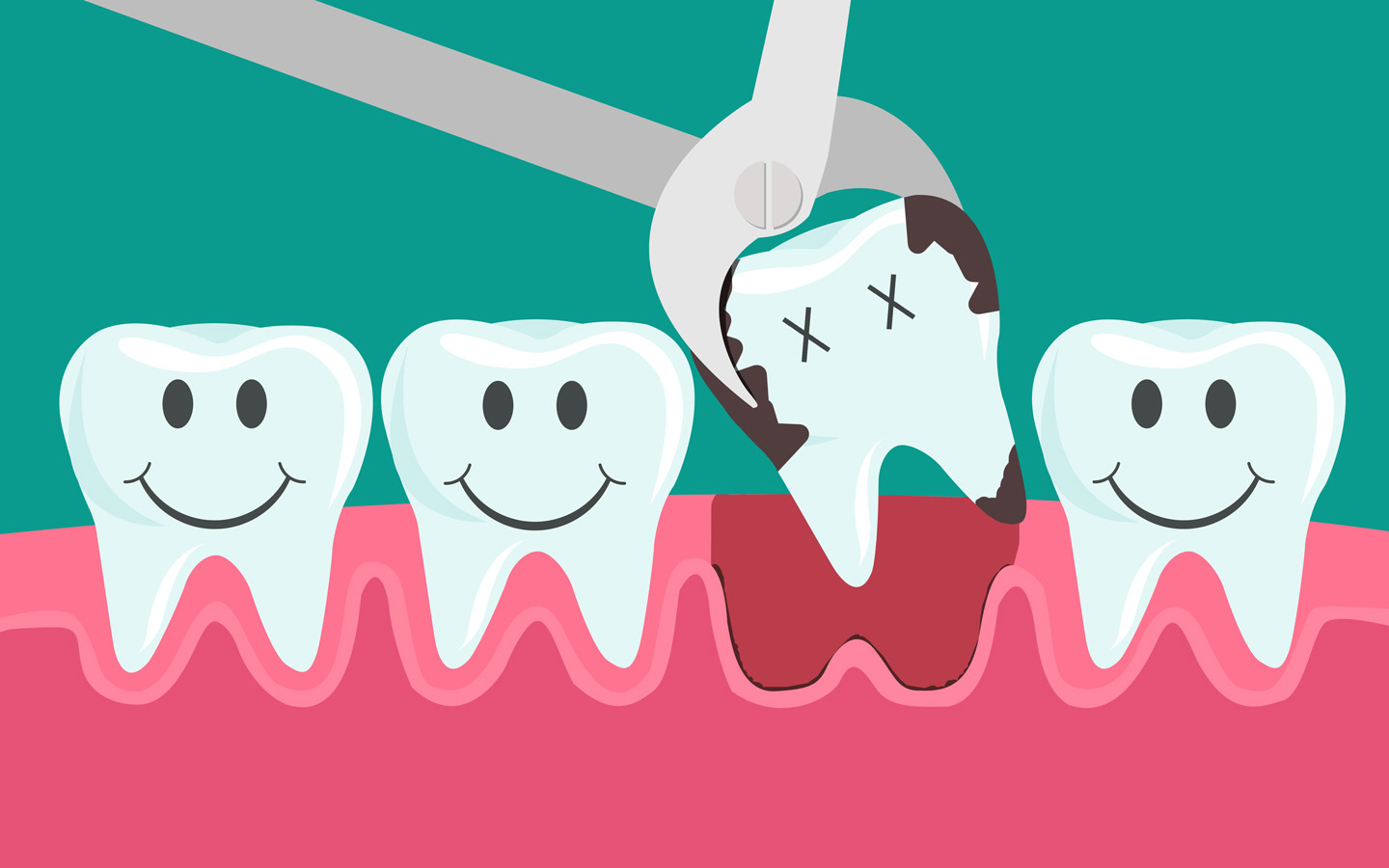
Image Source: www.medicomdtx.com
Grasping the Healing Process
When your dentist takes out a tooth, your body starts working right away to heal the area. This healing happens in steps.
Step 1: The Blood Clot Forms
Right after the tooth is gone, the socket fills with blood. This blood quickly thickens and forms a clot. This clot is crucial. It seals off the hole and protects the raw bone and nerve endings. Think of it as a protective plug. This clot is delicate in the first 24 to 48 hours.
Step 2: Soft Tissue Starts to Close
Over the next few days, the gum tissue around the socket starts to shrink and move closer together. It begins to grow over the blood clot, slowly covering the hole.
Step 3: New Tissue Grows
Under the gum tissue, new healthy tissue starts to replace the blood clot. This is called granulation tissue. It’s an important step toward filling the socket.
Step 4: Bone Fills In
This is the longest part of the healing process. Over several weeks and months, new bone will slowly grow in the socket, filling the space where the tooth roots used to be.
For the first few days, the most critical time is when the blood clot is still forming and stabilizing. Any force, pressure, or increased blood flow can mess with this delicate clot. This is why resting is so important.
Risks Exercising After Tooth Extraction
Doing physical activity too soon after getting a tooth pulled carries real risks exercising after tooth extraction. These aren’t just small annoyances; they can make your recovery longer and more painful.
Bleeding
One of the biggest risks is causing the extraction site to bleed again. When you exercise, your heart rate goes up. This pumps blood faster and with more force through your body. The small blood vessels in the healing socket are still fragile. Increased blood pressure and blood flow can break the forming clot or tear the healing tissue, leading to fresh bleeding. This can be scary and requires you to apply pressure again, just like right after the surgery.
Swelling
Activity can also increase swelling around the extraction site. Rest and keeping your head elevated help reduce swelling. Exercise, especially bending over or activities that increase blood flow to your head, can make swelling worse. More swelling means more pain and discomfort.
Pain
You will have some pain after a tooth extraction, which is normal. Your dentist will likely give you pain medicine. However, physical activity can increase inflammation and blood flow to the area, making the pain much worse than it needs to be. Pushing through pain is not a good strategy when healing from surgery.
Dry Socket Exercise
This is one of the most talked-about complications and a major reason to avoid dry socket exercise. Dry socket, or alveolar osteitis, happens when the blood clot in the socket is lost or breaks down too soon. Without the clot’s protection, the underlying bone and nerves are exposed to air, food, and liquid. This causes intense, throbbing pain that can shoot up to your ear or down your neck. It often comes with a bad taste and smell.
How does exercise relate to dry socket?
* Dislodging the Clot: The pressure changes in your mouth when you exert yourself (like lifting weights or even just straining) can suck the clot out of the socket. Hard sucking actions (like using a straw, which should also be avoided) have a similar effect.
* Increased Blood Flow: While the clot needs blood to form, too much forceful blood flow from strenuous activity can potentially disrupt a still-forming or loose clot.
* Dehydration: If you don’t stay well hydrated during and after exercise, it can slow down healing processes.
* Impact/Movement: Activities involving jumping or sudden movements could potentially shake a loose clot free.
Avoiding dry socket exercise is critical in the first few days, as this is when the clot is most vulnerable. Dry socket is very painful and requires extra trips to the dentist for treatment.
Infection
While less direct than bleeding or dry socket, exercising too soon can potentially increase the risk of infection. Straining yourself can suppress your immune system slightly. Also, if bleeding restarts or the clot is lost (leading to dry socket), the open wound is more exposed to bacteria, increasing the chance of infection. Keeping the area clean and letting it heal undisturbed is the best defense against infection.
When Can I Workout After Tooth Extraction?
This is the big question: when can I workout after tooth extraction? There’s no single answer that fits everyone because healing is different for each person. However, there are general timelines and important signs to look for.
The general rule most dentists recommend is waiting at least 24-48 hours before doing any physical activity, and usually longer before returning to your normal exercise routine.
Let’s break this down by time frame and activity level. This also addresses how soon exercise after tooth extraction.
The First 24-48 Hours: Complete Rest is Key
- What to do: Absolutely minimize physical activity. This means no exercise at all. No jogging, no gym, no sports, not even brisk walking if it gets your heart rate up significantly. Rest at home. Keep your head elevated. Avoid bending over or lifting heavy things.
- Why: This is when the blood clot is forming and is most fragile. Any increase in blood pressure or movement can dislodge it or cause bleeding. This period is critical for preventing dry socket.
After 48 Hours to Day 3 or 4: Gentle Movement ONLY
- What to consider: If your healing is going well, bleeding has stopped, and swelling is controlled, you might be able to introduce very
light exercise after tooth extraction. - Examples of Light Exercise:
- Very slow, gentle walking (like a short stroll around the house or yard).
- Gentle stretching that doesn’t require you to bend over or strain.
- What to AVOID: Anything that increases your heart rate significantly, makes you breathe hard, requires bending your head below your waist, or involves jumping, running, or heavy lifting.
- Listen to Your Body: Even with light activity, if you feel any throbbing, pain, or notice bleeding, stop immediately. You are pushing too hard, too soon.
Around Day 5 to 7: Considering More Activity (With Caution)
- What to consider: If you have had no complications, the pain is minimal, and the swelling is mostly gone, you might be able to start gradually increasing your activity level.
- Start Slowly: Begin with slightly longer or faster walks. See how you feel.
- Still Avoid Strenuous Activity: Most dentists would still recommend avoiding
strenuous activity after tooth extractionlike hard running, heavy weightlifting, or intense sports at this stage. - Monitor Closely: Pay close attention to how your mouth feels during and after activity. Any sign of discomfort means you need to back off.
After One Week (7 Days): Gradual Return
- What to consider: Assuming healing is progressing well, you can likely start to return to more of your normal exercise routine.
- Gradual, Gradual, Gradual: Do not jump back into your pre-extraction intensity all at once. Start with shorter durations or lower intensity.
- Examples:
- If you are a runner, try a short, easy jog instead of your usual long run. Address
running after tooth extractionhere. - If you go to the
gym after tooth extraction, start with lighter weights and fewer reps. Avoid exercises that involve a lot of up-and-down motion or strain on your head and neck. Addressgym after tooth extractionandweightlifting after tooth extractionhere.
- If you are a runner, try a short, easy jog instead of your usual long run. Address
- Key is Observation: If you notice any new pain, swelling, or bleeding, stop and rest. It means you returned too quickly or the activity was too much.
After 2 Weeks or More: Closer to Normal
- What to consider: For most single, simple extractions, by two weeks, the initial soft tissue healing is well underway. The risk of dry socket is very low by this time (it usually occurs in the first 3-4 days).
- More Confidence: You can generally return to your full exercise routine, including
strenuous activity after tooth extraction,running after tooth extraction,gym after tooth extraction, andweightlifting after tooth extraction, with more confidence. - Persistent Issues? If you still have significant pain, swelling, or discomfort when exercising at this point, contact your dentist. There might be a complication.
Important Caveats:
- Consult Your Dentist: The timeline above is general. Always ask your dentist for their specific recommendation based on your health, the complexity of the extraction, and how your healing is progressing. They might advise a longer rest period, especially for wisdom teeth extractions or multiple extractions.
- Listen to Your Body: This is the most important rule. Your body will tell you if you’re ready or if you’re pushing too hard. Pain, throbbing, or bleeding are clear signs to stop.
Fathoming the Impact of Different Exercises
Not all physical activities are created equal after tooth extraction. Some pose much higher risks than others.
Light Exercise After Tooth Extraction
As mentioned, this might be possible within a few days if healing is good.
* Examples: Gentle walking, very light stretching (avoiding head-down positions).
* Why it might be OK (when cleared): These activities usually don’t cause a large increase in blood pressure or head congestion. The impact and movement are minimal.
* Still Risky if Too Early: Even light exercise too soon in the first 24-48 hours can be risky if it elevates your heart rate significantly or causes you to clench your teeth.
Strenuous Activity After Tooth Extraction
This category includes anything that gets your heart pumping fast, makes you breathe hard, or involves heavy lifting or forceful movements.
* Examples: Running, jogging, intense cardio (cycling, swimming laps, elliptical), high-intensity interval training (HIIT), competitive sports (basketball, soccer, etc.), heavy weightlifting.
* Why it’s Risky:
* Increased Blood Pressure/Flow: Pumps blood forcefully to the head, risking bleeding and clot disruption.
* Straining/Bearing Down: Activities like weightlifting often involve holding your breath and bearing down, which creates pressure changes in the head and mouth that can dislodge the clot. This is a major concern for weightlifting after tooth extraction.
* Impact/Movement: Activities with jumping, sudden stops, or changes in direction (like running after tooth extraction or sports) can potentially dislodge the clot.
* Head Below Waist: Many exercises involve bending over (like some yoga poses, certain weightlifts, or tying shoes). This increases blood flow to the head and pressure, which is bad for the healing site.
* Mouth Breathing/Dryness: Intense exercise often leads to mouth breathing, which can dry out the mouth and the extraction site, potentially affecting healing.
* Risk of Injury to Mouth: Contact sports or activities where you might get hit in the face are extremely dangerous after tooth extraction and should be avoided until the site is fully healed.
Thinking about gym after tooth extraction covers a range of activities. While walking on a treadmill at a gentle pace might be okay sooner, using weight machines or free weights carries higher risks due to the straining involved (weightlifting after tooth extraction). High-intensity cardio machines also fall under strenuous activity after tooth extraction.
Interpreting Your Body’s Signals
It’s not enough to follow a general timeline. You must pay close attention to your body. If you try to do too much, too soon, your body will likely give you warning signs. Stop exercising immediately if you notice any of these:
- Increased Pain: If the dull ache turns into sharp or throbbing pain during or after exercise.
- Bleeding: Any sign of fresh red blood from the extraction site. Pink-tinged saliva might be okay in the first day, but active bleeding when you weren’t bleeding before activity is a bad sign.
- Throbbing: A pulsing sensation at the extraction site, often linked to increased blood flow.
- Increased Swelling: If the swelling gets worse after you start moving around.
- Bad Taste or Smell: This could be a sign of infection or dry socket developing. While not always immediately obvious during exercise, increased activity could worsen an already developing issue.
If you experience significant pain or bleeding that doesn’t stop with rest and gentle pressure (using clean gauze), contact your dentist right away.
Deciphering the Healing Time After Tooth Extraction Exercise
The healing time after tooth extraction exercise is not just about when the hole looks closed, but when the tissues are strong enough to handle the extra stress that exercise puts on them.
- First 24-72 Hours: Critical period for clot stability. Zero exercise.
- Days 3-7: Soft tissue beginning to cover the clot. Very light activity maybe possible, but high risk for dry socket and bleeding with anything more.
- Weeks 1-2: Soft tissue healing progresses. Socket starts to fill in. Lower risk of dry socket, but bleeding and pain are still possible with strenuous activity. Gradual return to lighter forms of your usual exercise might be considered late in this period.
- Beyond 2 Weeks: For simple extractions, most people can return to normal activity. Bone healing continues for months, but the immediate concerns about clot loss and bleeding from exercise are greatly reduced.
Remember, this is a general guide for simple extractions. Wisdom tooth extractions, especially lower ones, often have a longer, more complex healing process and may require a longer rest period before returning to full activity. Multiple extractions also mean more trauma to the mouth and potentially a longer recovery time.
Tips for Returning to Exercise Safely
Once you get the green light from your dentist or feel you’ve waited long enough based on their advice and your body’s signals, here’s how to ease back into your routine safely:
- Start Small: Begin with a fraction of your usual workout duration or intensity. If you normally run 5 miles, try walking 1 mile at a brisk pace first.
- Hydrate Well: Drink plenty of water before, during (if applicable), and after your workout. Staying hydrated is good for overall healing. Avoid sports drinks with high sugar content right away.
- Avoid Head-Down Positions: For the first week or two, try to pick exercises that don’t involve lowering your head below your waist. This helps prevent increased blood flow and pressure at the extraction site.
- Modify Straining Exercises: If you are doing
weightlifting after tooth extraction, use much lighter weights than usual. Focus on controlled movements and avoid holding your breath or bearing down forcefully. Consider machines over free weights initially as they might offer more stability and less overall body strain. When returning to thegym after tooth extraction, think about which exercises are safest. - Listen, Listen, Listen: We can’t stress this enough. If something feels wrong, stop. It’s better to miss one workout than to cause a complication that sets your recovery back by days or weeks.
- Keep it Clean: While not directly exercise-related, continue following your dentist’s instructions for keeping the extraction site clean (gentle rinsing, but NO forceful spitting or swishing). This helps prevent infection, which would definitely stop you from exercising.
- Consider the Environment: Avoid exercising in very hot environments right away, as this can increase swelling and dehydration risk.
Specific Considerations: Wisdom Teeth and Multiple Extractions
Healing from wisdom tooth extraction often takes longer than healing from a simple tooth removal. Wisdom teeth are typically larger, harder to remove, and the surgery involves more manipulation of the jawbone and surrounding tissues. Lower wisdom teeth sockets, in particular, are more prone to dry socket. Because of this:
- Your dentist will likely recommend a longer initial rest period (perhaps 72 hours or more) before considering any
light exercise after tooth extraction. - The return to
strenuous activity after tooth extraction,running after tooth extraction,gym after tooth extraction, andweightlifting after tooth extractionwill probably be delayed compared to a single, easy extraction. It might be 2-3 weeks or even longer before you feel comfortable doing your full routine. - Pay extra attention to signs of pain or swelling, as these can be more pronounced and last longer with wisdom teeth.
If you had multiple teeth extracted at once, the overall trauma to your mouth is greater. This means your body needs even more time and energy to heal. Expect a longer recovery period overall. The timeline for returning to exercise will likely be more conservative than after a single tooth removal. Your dentist’s specific instructions are paramount in this situation.
What to Do If You Have Problems
If you start exercising and notice significant pain, bleeding, worsening swelling, or a bad taste/smell:
- Stop exercising immediately.
- Rest. Sit or lie down with your head elevated.
- For bleeding: Apply gentle, firm pressure to the site with a clean piece of gauze or a moist tea bag (the tannins can help stop bleeding). Bite down gently if the site is on the biting surface. Hold pressure for 20-30 minutes.
- For pain: Take prescribed or recommended pain medication.
- Contact your dentist. Describe your symptoms and what activity you were doing. They can advise you on whether you need to come in or if you just need more rest.
Never ignore warning signs. Pushing through could lead to serious complications.
Recap: Prioritizing Healing
Returning to exercise after tooth extraction is a common goal for active people, but patience is critical. Healing time after tooth extraction exercise varies, but the initial days are non-negotiable rest periods.
- First 24-48 hours: No exercise at all. Rest completely. This prevents
risks exercising after tooth extractionlike bleeding and dry socket. - Days 3-7: Maybe very
light exercise after tooth extractionlike gentle walking, if healing well and cleared by your dentist. Stop at any discomfort. - After 1-2 Weeks: Gradual return to more activity. Start slow. Avoid
strenuous activity after tooth extraction,running after tooth extraction,gym after tooth extraction, andweightlifting after tooth extractionat full intensity initially. - Listen to your body. Pain or bleeding means stop.
- Always follow your dentist’s specific advice. They know your case best.
Prioritizing rest and proper healing in the first week or two will allow you to return to your full exercise routine safely and without complications, which is much better than rushing back and facing painful setbacks.
Frequently Asked Questions (FAQ)
H5 How soon can I start exercising after a tooth extraction?
Most dentists advise waiting at least 24-48 hours before any activity. For normal routines, it’s often longer, around a week or two.
H5 What are the risks of exercising too soon?
The main risks exercising after tooth extraction include increased bleeding, swelling, pain, and the development of a very painful condition called dry socket.
H5 Can light exercise cause dry socket?
Even light exercise after tooth extraction in the first 24-48 hours could potentially contribute to dry socket by increasing blood flow or causing pressure changes. More strenuous activity (strenuous activity after tooth extraction) poses a higher risk. Dry socket exercise is best avoided completely in the first few days.
H5 When can I start running after tooth extraction?
Avoid running after tooth extraction for at least 7 days, and likely longer (10-14 days or more), depending on your healing and the difficulty of the extraction. Start with very short, easy runs when you do return and listen to your body.
H5 Can I go to the gym after tooth extraction?
Returning to the gym after tooth extraction depends on what you do there. Gentle walking on a treadmill might be okay after a few days. Weightlifting after tooth extraction and high-intensity cardio should be avoided for at least 1-2 weeks due to the risks of straining, increased blood pressure, and dislodging the clot.
H5 How long after tooth extraction can I lift weights?
Avoid weightlifting after tooth extraction, especially heavy lifting or exercises that require straining, for at least 1-2 weeks. Start with very light weights and see how you feel before increasing intensity.
H5 What kind of light exercise is okay after tooth extraction?
Approved light exercise after tooth extraction might include very slow walking around your house or short, gentle strolls outdoors, but only after the initial 24-48 hour rest period and if your dentist says it’s okay.
H5 How does strenuous activity affect healing?
Strenuous activity after tooth extraction significantly increases blood pressure and flow to the head, which can cause bleeding and dislodge the protective blood clot. It also increases the risk of pain and swelling, slowing down the healing time after tooth extraction exercise.
H5 Does exercising increase the chance of infection?
While not a direct cause, complications like excessive bleeding or dry socket caused by exercising too soon can leave the socket more vulnerable to infection. Straining can also temporarily lower your immune response.
H5 My extraction site is bleeding again after I exercised. What should I do?
Stop exercising immediately. Sit up or elevate your head. Apply firm, gentle pressure to the area with clean gauze or a moist tea bag for 20-30 minutes. If bleeding doesn’t stop, call your dentist.
H5 I had my wisdom teeth removed. Is the exercise timeline different?
Yes, generally. Wisdom tooth extraction often requires a longer recovery due to the complexity. Expect to wait longer (possibly 72 hours or more) before any light activity and 2-3 weeks or more before returning to strenuous activity after tooth extraction, running after tooth extraction, gym after tooth extraction, or weightlifting after tooth extraction. Always follow your oral surgeon’s specific instructions.