Image Source: assets-us-01.kc-usercontent.com
Understanding When: can i exercise after blood test?
Can I exercise after blood test? For most people, light exercise soon after a blood test is usually fine. But doing hard exercise right away might not be a good idea. It’s best to wait a little while. This helps your body recover. Most health experts suggest waiting at least a few hours before doing anything too hard. Your body needs time to seal the small hole made by the needle.
Getting a blood test is a common health check. Doctors use blood tests to learn many things about your health. A nurse or trained person takes a small amount of blood. They use a needle to do this. The needle goes into a vein, usually in your arm.
The process is quick. But even a small needle makes a small wound. This wound is in the vein wall. Your body works to close this hole. It forms a tiny clot. Putting pressure on the spot after the test helps this clot form. It helps stop bleeding.
People often wonder what they can do after the test. Can they go right back to their normal day? This includes going to the gym or playing sports. The answer depends on many things. It depends on you, the type of test, and how you feel.
This article will help you figure out the best time to exercise after your blood test. We will look at what happens during the test. We will talk about possible effects after the test. We will cover why waiting is smart. We will also give tips for getting back to your exercise routine safely.
What Happens When Blood is Drawn?
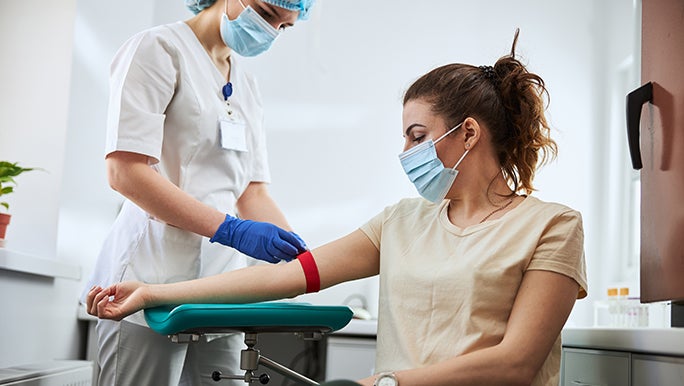
When you get a blood test, a person cleans a spot on your arm. They tie a band around your upper arm. This makes your veins bigger and easier to see. They put a thin needle into a vein. Blood flows into a tube or bottle. This takes only a few minutes.
After they take enough blood, they pull out the needle. They give you a cotton ball or pad. They ask you to press it firmly on the spot. This pressure is very important. It helps stop any bleeding quickly. It also helps prevent Bruising after blood draw. You usually keep pressing for a minute or two. Then they put a small bandage on the spot.
Your body starts to heal the vein right away. A small plug forms where the needle went in. This is a tiny blood clot. It seals the hole. This healing process is quick, but it is not instant. The spot might feel a little sore or tender.
Why Taking a Pause is Smart
Think of the blood draw site like any small cut or puncture wound. Even though it’s tiny, it needs a little time to start healing.
When you exercise, several things happen in your body:
* Your heart beats faster.
* Blood flows more quickly.
* Your blood pressure goes up.
* Your muscles tighten.
* You might move your arm a lot, especially if the test was in your arm.
All these things can put stress on the spot where the blood was taken. Increased blood flow can push against the new clot. Muscle movements, like Lifting after blood test, can stretch the skin and the vein. This can make the small hole open up again.
If the hole opens, you might see Bleeding after blood test. It might be just a few drops. Or it could be more. Increased pressure and movement can also make Bruising after blood draw worse. A small bruise is common. But hard exercise can lead to a bigger, darker bruise.
Sometimes, people feel a bit lightheaded or dizzy after giving blood. This is one of the Side effects of blood draw. Exercise increases your body’s needs. If you already feel dizzy, adding exercise can make it much worse. This could even cause you to faint. This is why Rest after blood test is often suggested, especially right after the test.
Common Feelings After a Blood Test
Most people feel fine after a blood test. The most common effects are mild.
* A little soreness at the needle site.
* A small bruise.
* Maybe a tiny bit of bleeding.
But some people have other feelings or Side effects of blood draw:
* Dizziness after blood test or feeling lightheaded. This can happen if you are nervous about needles. It can also happen if you haven’t eaten.
* Feeling a bit weak or tired.
* Pain at the spot, sometimes going up or down the arm.
* Bruising after blood draw can range from small to quite large.
These feelings usually pass quickly. Dizziness often gets better after sitting for a few minutes. Eating something small can also help. If you feel any of these things, exercising should wait. Your body is telling you it needs time.
Factors Shaping Your Recovery Time
How soon you can exercise depends on more than just the blood test itself. Your own body and situation play a big role in Post blood test recovery.
- Your overall health: If you are generally healthy, you might recover faster. If you have health problems, especially those affecting bleeding or healing, you might need more time.
- Your age: Healing can sometimes be slower as you get older.
- Any medicines you take: Some medicines affect how your blood clots. Blood thinners, like aspirin or warfarin, make it harder for clots to form. If you take these, you might bleed or bruise more easily. This means you need to be extra careful after a blood test.
- How much blood was taken: Usually, blood tests only need a small amount. But sometimes, tests need more blood. Giving more blood can make you feel weaker or more lightheaded.
- The skill of the person taking blood: A skilled person can make the process smooth. If it was a difficult draw, the vein might be more upset.
- Where the blood was taken: Usually, it’s the inside of your elbow. This area moves a lot. This movement can bother the healing site.
- If you were fasting: Fasting blood test exercise recommendations are often different. Not eating can lower your blood sugar. This can make you feel weak or dizzy even before you exercise.
Thinking about these things helps you decide When can I exercise after blood draw.
Different Exercise Types, Different Risks
Not all exercises are the same when it comes to risk after a blood test.
- Low-impact activities: Things like walking, gentle stretching, or slow cycling are usually okay sooner. They do not cause sudden hard movements. They don’t greatly raise your blood pressure or strain the area of the blood draw.
- Moderate cardio: Jogging, faster cycling, or swimming raise your heart rate more. This increases blood flow. If the needle site is not fully sealed, the increased flow can cause problems.
- Strenuous exercise post blood draw: Heavy lifting, intense sports, or high-impact activities carry the most risk.
- Lifting weights, especially with your arms, puts stress on arm muscles. This can affect the vein where blood was drawn. Lifting after blood test can lead to pain, more bleeding, or bigger bruises.
- Activities with quick stops, starts, or contact can jar the body. This can also disturb the healing site.
The key is to avoid putting stress directly or indirectly on the blood draw location.
Let’s look closer at Strenuous exercise post blood draw. When you lift heavy things, your muscles get very tight. You might hold your breath or strain. This increases pressure inside your body, including in your veins. This added pressure can work against the small clot trying to form. Imagine pressing on a fresh band-aid. If you push and pull on the skin around it, the band-aid might come loose. The same can happen with the clot.
So, while a quiet walk might be fine after an hour, going to the gym for a heavy weight session or playing a game of basketball right away is likely too much.
Steps for Proper Post Blood Test Recovery
Good Post blood test recovery helps you get back to normal activities, including exercise, faster and safer.
Here are simple steps to follow:
- Press firmly: Right after the needle is out, press hard on the spot with the cotton ball. Keep pressing for at least 1-2 minutes. If you are taking blood thinners or tend to bruise easily, press for longer (5-10 minutes).
- Keep the bandage on: Leave the small bandage on for several hours. Some people leave it on all day or overnight. This keeps the spot clean and adds a little pressure.
- Avoid using the arm heavily: For the first few hours, try not to lift heavy bags or do hard work with the arm where blood was drawn. This means no Lifting after blood test right away.
- Rest after blood test: Sit down for at least 10-15 minutes after the test, especially if you tend to feel dizzy or lightheaded. Take it easy for the first hour or two.
- Stay hydrated: Drink water. Being well-hydrated can help your body recover.
- Watch the spot: Check the area later in the day. Is there new Bleeding after blood test? Is the Bruising after blood draw getting much worse? Is there a lot of pain?
Following these steps gives your body the best chance to start the healing process smoothly before you ask it to handle exercise.
Deciphering the Right Time to Exercise
So, When can I exercise after blood draw? There is no single rule that fits everyone. But we can give some general timelines.
- Immediately after (first 15-30 minutes): This is the time for Rest after blood test. Do not exercise. Stay seated. Let the initial clot form.
- First 1-2 hours: Light activity like walking is usually fine if you feel completely well and have no Dizziness after blood test or Bleeding after blood test. Avoid anything that raises your heart rate a lot or uses the arm muscles heavily.
- 2-4 hours: Most people can return to light to moderate exercise if they feel good. Still, avoid Strenuous exercise post blood draw or heavy Lifting after blood test. Watch the blood draw site. If it starts hurting, bleeding, or swelling, stop.
- 4-6 hours: Most people can go back to their normal exercise routine, including more strenuous activity. The small clot should be more stable by now.
- 24 hours: If you tend to bruise easily, had trouble stopping bleeding, or had a difficult blood draw, waiting a full 24 hours before Strenuous exercise post blood draw is the safest option. This gives your body plenty of time for Post blood test recovery.
Listen to your body. This is the most important rule. If you feel tired, dizzy, or have pain at the site, do not exercise, no matter how long it has been.
Special Notes for Fasting Tests
Sometimes, you need to fast before a blood test. This means not eating or drinking anything but water for several hours (often 8-12 hours) before the test.
Fasting blood test exercise recommendations are extra cautious. Not eating for a long time can lower your blood sugar levels. This can make you feel weak, shaky, or lightheaded even before the test.
If you had a fasting blood test:
* Eat a healthy meal or snack soon after the test is done. This will help bring your blood sugar back up.
* Sit and rest for a bit longer (15-20 minutes) after the test.
* Wait longer before exercising. Feeling weak from fasting plus the effects of a blood test can make exercise risky.
* Start with very light activity. See how you feel.
Combining fasting with Strenuous exercise post blood draw too soon is likely to make you feel unwell. Give your body fuel and time to recover.
Hearing Your Body’s Signals
Your body will tell you if you are pushing too hard after a blood test. Pay attention to these signs:
- Pain: If the blood draw site starts hurting more when you exercise, stop.
- Bleeding: Any new Bleeding after blood test, even small, means you should stop exercising and apply pressure.
- Swelling: If the area puffs up, stop. This could mean bleeding under the skin (hematoma).
- Dizziness or Lightheadedness: If you feel unsteady or like you might faint, stop immediately. Sit or lie down.
- Feeling Sick: Nausea or general weakness during exercise are signs something is not right.
These symptoms are part of the Side effects of blood draw. Exercise can make them worse. Stopping quickly can prevent more serious issues like a large hematoma (a big, hard bruise) or fainting and getting injured from a fall.
Planning Your Activities
Knowing you have a blood test coming up can help you plan your day.
- Schedule your blood test on a day when you don’t have a hard workout planned right after.
- If you usually exercise in the morning, maybe schedule your test for the afternoon instead.
- Bring a small snack and something to drink with you to have right after the test.
- Wear clothing with sleeves that are easy to roll up. Tight sleeves can put pressure on the area later.
Thinking ahead helps you build in the necessary Rest after blood test and avoid the temptation to jump straight into Strenuous exercise post blood draw.
When to Get Help
Most Side effects of blood draw are minor. Bruising after blood draw and slight soreness are normal. But sometimes, problems need a doctor’s check.
Contact your doctor or the lab if you notice:
- Bleeding from the site that won’t stop after applying firm pressure for 10-15 minutes.
- Severe pain that doesn’t get better.
- Swelling that gets bigger quickly.
- Numbness or tingling in your arm or hand after the test.
- Signs of infection, like redness, warmth, or pus at the site (though this is rare soon after a test).
- Dizziness after blood test that lasts a long time or is very bad.
- A hematoma (large bruise) that is very painful or limits your arm movement.
These could be signs of a problem that needs medical attention. Don’t try to “work through” these issues with exercise.
Putting It All Together
Getting a blood test is a minor medical event, but it still needs a little care afterward. Your body needs time to seal the small opening in the vein.
While light activity like walking is often fine within an hour or two if you feel well, heavy exercise like Lifting after blood test or Strenuous exercise post blood draw should usually wait at least 4-6 hours, and preferably 24 hours for higher-risk individuals or activities.
Pay close attention to your body. Rest after blood test is important, especially in the first hour. Watch for common Side effects of blood draw like Bleeding after blood test or Dizziness after blood test. If you experience these, hold off on exercise longer. Fasting blood test exercise recommendations are more cautious; eat and rest first.
Planning helps. Don’t schedule blood tests right before important or hard workouts.
By taking a few simple steps and listening to your body, you can ensure a smooth Post blood test recovery and return to your exercise routine safely, knowing When can I exercise after blood draw is best for you.
Remember, a little patience goes a long way in letting your body heal and preventing problems like increased Bruising after blood draw or prolonged bleeding. Your health is key, and that includes safe recovery from even simple medical procedures.
Common Questions
h4: Can I lift weights right away?
No, it’s not a good idea. Lifting after blood test, especially heavy weights with the arm used for the test, puts a lot of strain on the muscle and the blood draw site. This can increase the risk of bleeding, bruising, and pain. Wait at least 4-6 hours, or preferably 24 hours, before lifting heavy weights.
h4: Is it okay to walk on a treadmill after a blood test?
Yes, light walking on a treadmill is generally fine within an hour or two if you feel well. This is low-impact exercise. It doesn’t usually put stress on the blood draw arm. But if you feel dizzy, wait longer.
h4: What if I feel dizzy after the test?
If you feel Dizziness after blood test, do not exercise. Sit or lie down until the feeling passes. Drinking some water and having a small snack can help. Wait until you feel completely normal before trying any exercise, even light activity.
h4: How long should I keep the pressure bandage on?
Keep the small bandage on for at least a few hours. Many people keep it on for 4-6 hours or even overnight. This protects the site and adds a little pressure to help prevent Bleeding after blood test and Bruising after blood draw.
h4: What are the most common Side effects of blood draw?
The most common effects are mild soreness at the site and a small bruise. Bruising after blood draw happens when a little blood leaks out of the vein. Some people might feel a little lightheaded or dizzy right after giving blood.
h4: I take blood thinners. Do I need to wait longer to exercise?
Yes. If you take blood thinners, your blood does not clot as easily. This increases the risk of Bleeding after blood test and larger Bruising after blood draw. You should apply pressure to the site for longer (5-10 minutes) and wait at least 24 hours before doing any strenuous exercise or heavy lifting. Rest after blood test is very important for you.
h4: Can I do yoga after a blood test?
Gentle yoga, like stretching or slow poses, might be okay after a few hours if you feel well. Avoid poses that put a lot of pressure on your arms or involve quick, jerky movements, especially in the arm where blood was drawn. Listen to your body.
h4: What does Post blood test recovery mean?
Post blood test recovery refers to the time and process your body needs to heal the small puncture site where the needle entered your vein. It involves forming a clot, stopping any bleeding, and the site becoming less sore or bruised. Proper recovery helps prevent complications. Rest after blood test is a key part of this recovery.
h4: Can Strenuous exercise post blood draw make the bruise worse?
Yes. Strenuous exercise, which increases blood flow and pressure, can disturb the newly formed clot. This can cause more blood to leak out of the vein, leading to a larger or darker Bruising after blood draw. It’s one of the main reasons to avoid hard workouts right away.
h4: Are there specific Fasting blood test exercise recommendations?
After a fasting blood test, it’s extra important to eat and drink something non-alcoholic before considering exercise. Fasting can lower blood sugar and make you feel weak or dizzy. Wait longer than you might after a non-fasting test. Start with very light activity and see how you feel. Avoid Strenuous exercise post blood draw until you have eaten, rehydrated, and feel completely recovered from the fasting and the test.