After getting your wisdom teeth out, many people ask, “When can I go to the gym?” The short answer is: not right away. You need to wait at least a few days, and often longer, before doing any real exercise after wisdom teeth removal. Your doctor will give you post-op instructions wisdom teeth, and these are very important. Doing too much too soon can cause pain and problems.
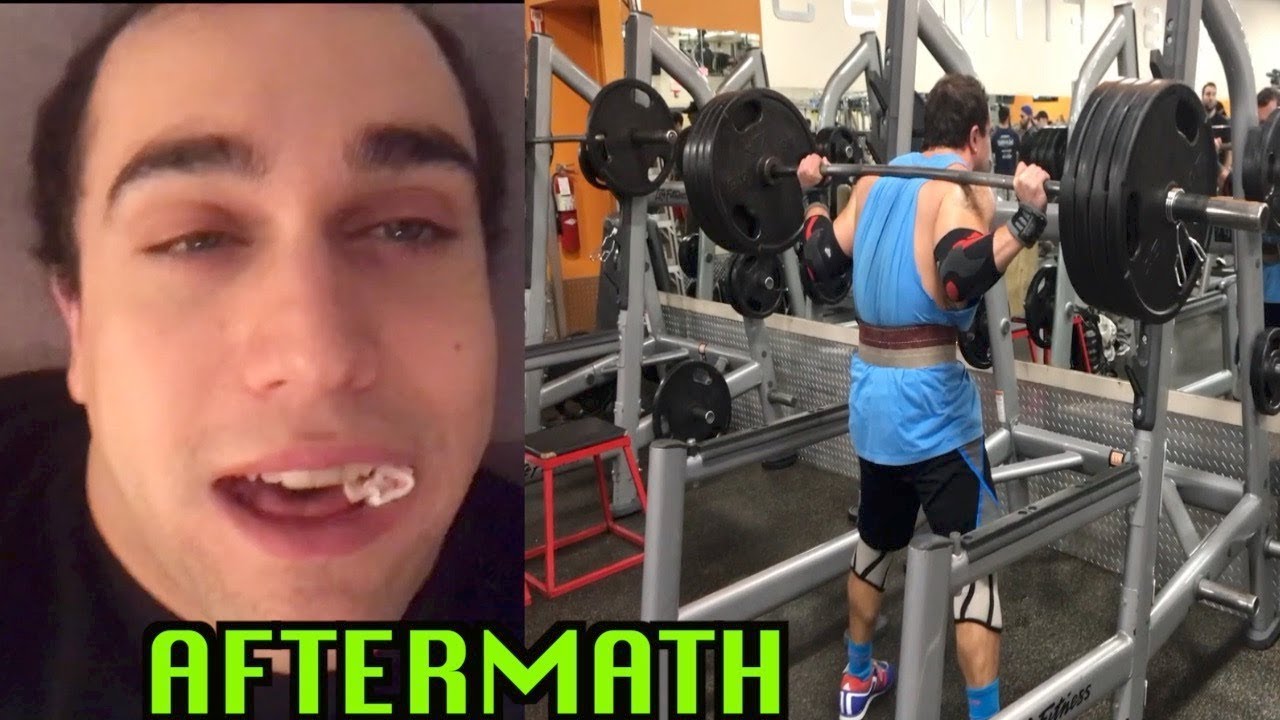
Image Source: i.ytimg.com
Why Your Body Needs Rest First
Getting wisdom teeth removed is surgery. Even if it feels small, your body needs time to get better. Right after surgery, your body starts to heal. It sends blood to the area to form clots. These clots protect the empty spaces where your teeth were. These clots are super important for healing.
Rest helps your body put all its energy into getting well. When you rest, your heart beats slower. Your blood pressure stays low. This helps the blood clots stay put. It lowers the chance of bleeding more. It also helps with swelling after wisdom teeth extraction.
If you move around too much or too soon, your body has to work harder. This takes energy away from healing.
How Your Mouth Heals
Your mouth heals quickly, but it needs the right start. After the teeth are gone, your body makes a blood clot in the socket. Think of this clot like a scab inside your mouth. It covers the bone and nerves. It lets new tissue grow under it.
Over the next week or two, this clot slowly gets replaced by new gum tissue. The socket slowly fills in. This whole process takes time. It’s part of your wisdom teeth recovery time.
If the blood clot gets loose or comes out, it can cause a problem called dry socket. This is very painful. Doing things that make your blood pressure go up can make the clot fall out. This is why rest is key early on.
Dangers of Exercising Early
Pushing your body too soon after surgery can cause big problems. Here are some main risks:
More Bleeding
Exercise makes your heart pump faster. This sends more blood through your body with more force. The surgery site is still fresh. The small blood vessels are trying to close up. More blood pressure can push these vessels open again. This leads to more bleeding.
A little bit of oozing is normal for the first day. But heavy bleeding is not good. It can be scary. It also makes it harder for your mouth to heal well.
Increased Swelling
Swelling is normal after wisdom teeth removal. It happens as your body sends fluids to the area to help heal. Rest helps keep swelling down. Using ice packs on your face helps too.
When you exercise, blood flow increases everywhere, including your head and face. This extra blood and fluid can make the swelling much worse. More swelling means more pain. It also makes it harder to open your mouth. This makes eating and talking harder. Managing swelling after wisdom teeth extraction is important for comfort and healing.
Higher Risk of Dry Socket
This is one of the biggest worries with exercise after wisdom teeth removal. A dry socket happens when the blood clot in the socket comes out too soon. This leaves the bone and nerves open to air and food. It is very painful. The pain can go up into your ear or down your neck.
Things that can make a blood clot fall out include:
* Sucking actions (like using a straw or smoking)
* Spitting forcefully
* Rinsing your mouth too hard
* Increased pressure in your mouth or head
Physical activity after oral surgery, especially hard exercise, increases blood pressure and pulsing in your head. The up-and-down movement or straining can dislodge the clot. This is a major dry socket risk after exercise. Avoiding any activity that causes throbbing in your mouth is crucial in the first few days.
More Pain
Doing too much too soon will likely make your pain worse. Your body is telling you it’s not ready. Pain is a signal to stop. If you feel more pain when you try to be active, you must stop. You might need more pain medicine. This is not good for your recovery.
Slowed Healing
When you put stress on your body by exercising too early, you take energy away from the healing process. This can make your wisdom teeth recovery time longer. It might take more time for the tissue to grow back. It might take longer for the bone to fill in. You want to heal as fast and well as possible.
General Timeline for Getting Back to Activity
There is no exact date that works for everyone. How quickly you can return to physical activity after oral surgery depends on many things. This includes:
* How many teeth were removed.
* How hard the surgery was (were teeth impacted? did they need to cut bone?).
* Your age and general health.
* How well you follow your doctor’s instructions.
* How quickly your body heals.
But we can give a general idea. This is just a guide. Always listen to your body and your oral surgeon. Following post-op instructions wisdom teeth is key.
Day 1-2: Total Rest
This is the most important time for rest. Do not plan to do anything active. Sit or lie down most of the time. Keep your head propped up a little. This helps with swelling.
- No gym.
- No running.
- No lifting anything heavy.
- Avoid bending over.
- Avoid any strenuous activity after wisdom teeth removal.
- Even light walking should be very limited, like just around the house.
Focus on:
* Taking your medicine as told.
* Using ice packs.
* Gentle rinsing (often starting the day after surgery, very gently).
* Eating soft foods.
* Resting!
Trying to do exercise after wisdom teeth removal on day 1 or 2 is a big mistake.
Day 3-5: Very Light Movement (Maybe)
By day 3, swelling might be at its worst or starting to get better. Pain should be getting less. If you feel up to it, you might be able to do very, very light movement.
- Gentle walking inside your house.
- Short walks outside if you feel stable, but keep it slow and short.
- Still no gym.
- Still no running.
- Still no lifting weights after wisdom teeth.
- Avoid anything that makes your heart rate go up much.
The goal is not to exercise. The goal is just to not lie in bed all day if you feel okay to move a little. If you feel tired or start hurting, stop right away. This is still a high-risk time for problems like dry socket if you push it. When deciding when can i exercise after tooth extraction that is not strenuous, think minimal movement only.
Day 5-7: Gentle Activity Possible (If Cleared)
Around a week after surgery, many people start to feel much better. Pain should be less. Swelling should be going down. You might feel tempted to get back to your normal life.
You might be able to start some very gentle, low-impact physical activity after oral surgery if your oral surgeon says it’s okay.
Examples of maybe okay activity (start slow!):
* Walking at a slow pace on a flat surface.
* A very gentle stationary bike ride with no resistance, sitting upright.
Things to absolutely still avoid:
* Gym workouts with weights.
* Running or jogging.
* Any activity that requires bending, lifting, jumping, or could cause you to get hit near the face.
* Any activity that makes you breathe hard or strain. This is still strenuous activity after wisdom teeth removal.
Pay close attention to your body. If you feel throbbing, pain, or notice more bleeding or swelling, stop immediately. You are doing too much. This is a critical phase where the clot is still quite fragile. The dry socket risk after exercise is still real.
Week 2 Onwards: Slowly Returning
This is often the time when many people can start thinking about returning to the gym or more normal exercise after wisdom teeth removal. But it must be done slowly and carefully.
- When can i exercise after tooth extraction that involves more effort? Usually not before 7-10 days, and even then, start very light.
- Begin with low-impact exercises you did before.
- Lower the intensity. Do less time. Do less weight.
- Listen to your body! This cannot be stressed enough. If it hurts, stop. If it throbs, stop.
- Stay very hydrated. Drink lots of water.
- Avoid exercises where your head is below your heart for long periods. This can increase pressure.
Specific Activities:
- Lifting weights after wisdom teeth: Do not lift weights, even light ones, for at least 7-10 days. When you start, use much lighter weights than normal. Avoid exercises that make you strain or hold your breath. Avoid exercises where you put pressure on your jaw or head area. Start with machine weights before free weights for more control. Gradually increase weight over several days or a week.
- Running after wisdom teeth removal: Running is high-impact. It causes your head to jar and your blood pressure to rise quickly. Avoid running for at least 7-10 days. When you start again, begin with short, slow jogs or even power walking. Build up slowly. If you feel throbbing in your jaw or head while running, stop. The dry socket risk after exercise like running is higher than with walking.
Even at two weeks, some people are not ready for their usual workout routine. Some people need three or four weeks, especially after difficult extractions. Everyone’s wisdom teeth recovery time is different.
Signs You Are Doing Too Much
Your body will tell you if you are pushing it too hard or too soon. Pay attention to these signs:
- More Pain: Your pain was getting better, but after activity, it gets worse again. This is a clear sign to stop and rest more.
- Throbbing: A pulsing or throbbing feeling in the jaw or extraction sites. This means blood pressure is too high in the area. It’s a warning sign of bleeding or dry socket risk.
- Increased Bleeding: The small amount of oozing stops after a day or two. If you start bleeding again after being active, you need to stop and apply pressure gently with gauze (if directed by your surgeon).
- More Swelling: Swelling should go down each day after the first 48-72 hours. If it gets bigger or doesn’t improve after activity, you’ve done too much. Managing swelling after wisdom teeth extraction requires rest.
- Feeling Dizzy or Weak: You are still recovering. Your body used energy for surgery and healing. Don’t expect to feel 100%. If you feel lightheaded, sit down right away.
If you have any of these signs after trying to exercise, go back to resting. You might need to wait a few more days before trying again. If the signs are severe or don’t get better with rest, call your oral surgeon.
How to Get Back to Exercise Safely
When your oral surgeon says you can start gentle activity, here is how to do it safely:
- Get Doctor’s Okay: Always check with your oral surgeon first. They know how your surgery went and how you are healing. Follow their post-op instructions wisdom teeth exactly.
- Start Very Slow: Don’t try to pick up where you left off. Begin with a fraction of your normal workout. If you normally run 3 miles, walk for 15 minutes. If you lift 100 lbs, start with just the bar or light dumbbells.
- Keep it Low Impact: Choose activities that don’t jar your head or body. Walking, slow cycling (upright), or a very gentle elliptical are better choices than running, jumping, or intense sports.
- Lower the Intensity: Don’t push for speed or lift heavy weights. Keep your heart rate only slightly elevated. You should be able to talk normally while doing the activity. Avoid strenuous activity after wisdom teeth removal.
- Short Duration: Limit your workout time. Start with 10-15 minutes. See how you feel. If you feel good the next day, you can slowly add a few minutes next time.
- Stay Hydrated: Drink plenty of water before, during (if needed), and after your activity. Proper hydration helps your body heal and function. Avoid sugary drinks, caffeine, and definitely no alcohol during recovery.
- Listen to Your Body: This is the most important rule. If anything feels wrong, stop immediately. Pain, throbbing, or pressure in the jaw area means you need more rest.
- Avoid Head-Down Positions: Try to keep your head above your heart during exercise. This lowers pressure in the head area. Avoid yoga poses that involve inversions (like headstands) or bending over for long periods. This affects physical activity after oral surgery.
- Be Mindful of Your Mouth: Avoid clenching your jaw or putting pressure on your mouth during exercise.
Why Rest is Part of the Treatment
Think of rest not as doing nothing, but as an active part of your treatment. Your body works hard to heal. Giving it the chance to focus on that job is crucial. Trying to maintain your usual exercise after wisdom teeth removal schedule too early is like trying to build a house while the foundation is still wet. It won’t be strong.
Your wisdom teeth recovery time includes the time you spend resting and recovering properly. This reduces the chance of painful problems like dry socket or infection. It helps manage swelling after wisdom teeth extraction and pain better.
What About Different Types of Exercise?
Let’s look at some common gym activities and when they might be okay:
- Walking: Very light walking might be okay after 3-5 days if you feel well. Brisk walking or power walking, wait at least 7 days, maybe longer.
- Cycling (Stationary, Upright): Gentle, no-resistance cycling might be okay after 7 days. Increase time and resistance very slowly after 10-14 days, if comfortable. Avoid leaning over.
- Elliptical: Low impact, but still gets heart rate up. Wait at least 7-10 days, start slow and for short times.
- Weight Lifting: This is high risk due to straining and pressure changes. Avoid lifting weights after wisdom teeth for at least 7-10 days. When you start, use very light weights (maybe 25% of normal) and focus on many reps with low weight. Avoid exercises that involve holding your breath, straining, or putting pressure on your head/neck. Increase weight very slowly over several weeks.
- Running/Jogging: High impact, high blood pressure. Avoid running after wisdom teeth removal for at least 7-10 days, possibly 2 weeks or more. Start with short distances and slow paces. Listen for throbbing.
- Yoga/Pilates: Gentle stretching and very light movements might be okay after 5-7 days, if it doesn’t cause pain or pressure. Avoid poses where your head is down or you have to strain. Avoid hot yoga early on, as heat can increase swelling and bleeding risk.
- Swimming: Often considered lower impact, but getting water pressure changes and needing to spit water out can be risky for the clot. Also, pool water might carry bacteria. Many surgeons advise waiting 7-10 days or until the extraction sites are more closed. Check with your surgeon.
The Importance of Post-Op Instructions
Your oral surgeon gave you specific instructions after your surgery. These are not just suggestions. They are rules for your recovery. They cover:
- How to control bleeding.
- How to manage pain.
- How to manage swelling.
- What to eat.
- How to clean your mouth (gentle rinsing!).
- What activities to avoid.
These post-op instructions wisdom teeth are tailored to your surgery. Follow them carefully. If they say “no strenuous activity for 7 days,” take that seriously. Strenuous means anything that makes you breathe hard, makes your heart pound, or makes you strain. This includes most gym activities.
If you are unsure about an activity, call your oral surgeon’s office and ask. It’s much better to ask than to do something and cause a painful problem.
What is Dry Socket, Really?
Let’s take a closer look at why dry socket risk after exercise is a big concern.
Normally, when a tooth is pulled, a blood clot fills the socket. This clot protects the empty space. It allows healing to happen underneath.
A dry socket (alveolar osteitis) happens when this blood clot:
* Does not form well in the first place.
* Gets dislodged (falls out) before healing is done.
* Breaks down too soon.
When the clot is gone, the bone and nerve endings in the socket are exposed. This is very painful. The socket looks empty, and you might see bone. The pain often starts a few days after surgery. It’s much worse than normal surgery pain.
Why does physical activity after oral surgery increase the risk?
* Increased blood pressure and pulse can pop the clot out.
* Straining or lifting can create pressure that dislodges the clot.
* Heavy breathing can create pressure changes in the mouth.
The risk is highest in the first 3-4 days after surgery. But it can still happen later. This is why taking it easy for the first week or two is so important for preventing this painful issue.
Managing Swelling for Better Recovery
Swelling after wisdom teeth extraction is a normal part of the healing process. It usually gets worse for 2-3 days and then starts to go down.
Here’s why rest helps manage it:
* Elevating your head helps fluid drain away from the area.
* Applying ice packs for the first 24-48 hours helps reduce swelling.
* Not increasing blood flow to the head with exercise keeps swelling from getting worse.
Trying to exercise when you are still swollen can make the swelling last longer or get worse. More swelling means more discomfort and a longer feeling of being “not recovered.” Proper rest and following your doctor’s advice for managing swelling contribute to a smoother wisdom teeth recovery time.
Taking Care Beyond Just Avoiding Exercise
Getting back to the gym is a goal for many, but focus on overall healing first. Good recovery involves more than just avoiding the gym.
- Nutrition: Eat soft, healthy foods. Protein and vitamins help your body repair tissue. Avoid foods that are hard, crunchy, or require chewing a lot initially.
- Hydration: Drink lots of water. Avoid hot liquids initially, and definitely no straws for the first week or more.
- Oral Hygiene: Keep your mouth clean. Your surgeon will tell you when and how to start gentle rinsing. You might get a special rinse. Be very gentle and just let the water flow over the area, then let it fall out into the sink – do NOT spit hard.
- Sleep: Get plenty of rest. Sleep is when your body does a lot of its repair work.
All these things help you get through your wisdom teeth recovery time safely and quickly. This allows you to return to normal activities, including the gym, sooner and without problems.
When Can I Go Back to Strenuous Activity?
Strenuous activity after wisdom teeth removal is the last type of exercise you should return to. This means:
- Heavy weight lifting
- Running fast or for long distances
- High-intensity interval training (HIIT)
- Playing contact sports
- Any activity that makes you feel out of breath or causes significant muscle fatigue
Most oral surgeons recommend waiting at least 7-10 days, and often 2 weeks, before attempting any strenuous activity. Even then, you must start at a much lower level than you did before surgery.
For example, if you were lifting heavy weights (like doing 5×5 powerlifting), you might need to wait 2-3 weeks. When you go back, start with very light weights for higher reps (e.g., 50% of your normal weight for 10-12 reps). See how your body feels during the workout and the next day.
If you feel throbbing, pain, or soreness in your jaw or extraction sites (not just normal muscle soreness), you are not ready. You need more rest.
It’s frustrating to miss gym time. But a complication like dry socket will set you back weeks, if not longer, and cause severe pain. Waiting an extra week or two to return safely is worth it to avoid serious problems.
Final Thoughts on Returning to the Gym
Getting wisdom teeth out requires downtime. Your wisdom teeth recovery time is not just about your mouth, but your whole body. Exercise after wisdom teeth removal needs to be put on hold.
- No gym for the first few days.
- Very light movement only if you feel well after 3-5 days.
- Gentle, low-impact exercise might be okay after 7 days, if your surgeon agrees and you feel ready.
- Wait at least 7-10 days, more often 14 days or longer, before attempting strenuous activity after wisdom teeth removal like lifting weights after wisdom teeth or running after wisdom teeth removal.
- Always listen to your body. Pain, throbbing, or increased bleeding/swelling are signs to stop.
- Follow all post-op instructions wisdom teeth from your surgeon.
- The biggest risk of returning too early is dry socket risk after exercise.
- Managing swelling after wisdom teeth extraction is helped by rest.
Be patient with your body. Healing takes time. A smart, gradual return to physical activity after oral surgery will help you get back to your normal routine safely and effectively. Don’t rush it. Your fitness will return. Protecting your healing mouth is the priority right now.
Frequently Asked Questions (FAQ)
Q: Can I do gentle walking the day after wisdom teeth removal?
A: Generally, no. The first 24-48 hours are for maximum rest. Very limited movement around the house is okay if needed, but not walking for exercise.
Q: Is it okay to lift light weights a week after surgery?
A: Maybe, but start extremely light (much less than you think). If you feel any throbbing or pain in your jaw area, stop immediately. Many surgeons recommend waiting at least 10-14 days for any weight lifting.
Q: What if I feel fine? Can I go back to the gym sooner?
A: Feeling fine is good, but your body is still healing below the surface. The blood clot might still be fragile. The risk of dry socket or bleeding is still higher than normal. It’s best to stick close to the recommended timelines or what your surgeon advises, even if you feel okay.
Q: Can dehydration from exercise cause problems?
A: Yes. Staying well-hydrated is important for healing. Exercise can make you dehydrated if you don’t drink enough. Dehydration might make healing slower.
Q: How do I know if I have a dry socket?
A: Severe pain that starts a few days after surgery, often worse than the initial surgery pain, is a sign. The pain can go up towards your ear or down your neck. The socket might look empty. If you think you have a dry socket, call your oral surgeon right away.
Q: Can I do yoga after wisdom teeth removal?
A: Gentle yoga (no inversions, no straining) might be possible after 5-7 days if you feel well and your surgeon approves. Avoid hot yoga. Listen carefully to your body and avoid any poses that cause pressure or pain in your head/jaw.
Q: What about using a treadmill or elliptical?
A: Low-impact cardio like a gentle elliptical might be possible after 7-10 days, starting slow and short. A treadmill (walking or jogging) might be okay around the same time or slightly later. Start very slowly and listen for any throbbing or discomfort in your mouth. Running should be avoided for longer.
Q: My job requires physical activity. When can I go back to work?
A: This depends on your job and how many teeth were removed. For a desk job, you might go back in 2-3 days. For a job with heavy lifting or physical labor, you might need 7 days or even 2 weeks off. Discuss this with your oral surgeon before your surgery. This falls under physical activity after oral surgery.