Image Source: cdn-fappa.nitrocdn.com
Can varicose veins go away with exercise? What works?
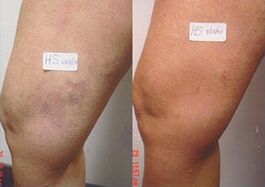
Can exercise make varicose veins disappear? The quick answer is usually no, exercise itself cannot make existing varicose veins vanish completely or fix damaged vein valves. However, moving your body is incredibly helpful. It can greatly improve how your veins work, ease pain, stop veins from getting worse, and even help prevent new ones. We’ll look at how exercise helps your legs and what kinds of movements are best for supporting healthy veins.
Grasping Varicose Veins
Before we talk about exercise, let’s quickly look at what varicose veins are.
Inside your veins are tiny doors called valves. These valves open and close to help push blood up towards your heart, working against gravity.
With varicose veins, these small doors get weak or break. When this happens, blood can flow backward and pool in the vein. This pooling makes the vein swell, twist, and bulge, often looking dark blue or purple.
They usually show up in the legs and feet because it’s harder for blood to flow up from there.
Why Moving Your Body Helps Veins
Even though exercise doesn’t fix broken valves, it has big benefits for your blood flow. Improve circulation varicose veins is a main goal, and exercise does this well.
Think about your leg muscles, especially the ones in your calves. When you walk, run, or move your legs, these muscles squeeze and relax. This action puts pressure on the veins deep inside your legs. This pressure acts like a pump, helping to push the blood upward towards your heart. Doctors call this the “calf muscle pump.”
How the Calf Pump Works
Imagine squeezing a tube of toothpaste from the bottom up. That’s a bit like what your calf muscles do to your veins.
- Muscles Squeeze: When you tighten your calf muscles (like standing on your toes or walking), they push against the veins next to them.
- Blood Moves Up: This squeeze pushes blood in the veins upwards.
- Valves Guide Flow: Healthy valves above the squeezing muscle let the blood through and then close, stopping it from falling back down.
- Muscles Relax: When the muscles relax, more blood can flow into the veins from below, ready for the next squeeze.
When you don’t move much, this pump doesn’t work well. Blood is more likely to pool, making varicose vein problems worse. Regular Exercise for vein health keeps this pump working, helping Blood flow improvement legs.
Benefits of Moving Legs with Varicose Veins
Adding movement to your daily life offers many Varicose vein exercise benefits:
- Better Blood Flow: The main benefit. More efficient blood flow means less blood pooling.
- Reduced Swelling: Improved circulation helps prevent fluid from building up in your lower legs and ankles.
- Less Pain and Discomfort: Many people find Managing varicose vein pain is easier with regular, gentle exercise. It can ease the heavy, achy feeling.
- Stronger Muscles: Stronger calf muscles mean a stronger calf pump.
- Healthy Weight: Exercise helps keep you at a healthy weight. Extra weight puts more pressure on the veins in your legs and abdomen, which can worsen varicose veins. Losing weight helps lower this pressure.
- May Slow Progression: While it doesn’t cure them, good circulation can help slow down how fast varicose veins get worse.
- Boosted Mood: Being active is good for your overall well-being.
So, while you might not see existing large veins disappear, exercise is a key Lifestyle changes varicose veins strategy for living better with them and helping Preventing varicose veins naturally.
Which Moves Work Best?
The goal is to get your calf muscles pumping and improve circulation without putting too much strain on your legs or body. Low-impact exercises are usually the best.
Simple and Effective Exercises
Here are some great moves that are gentle on your legs and boost blood flow:
- Walking: This is one of the best and easiest exercises. It directly uses the calf muscle pump.
- How to do it: Start slow, even just 10-15 minutes a day. Build up to 30 minutes or more most days of the week. A brisk walk is great, but even a slow stroll is helpful.
- Why it helps: Every step engages your calf muscles, pushing blood up.
- Cycling: Riding a bike, whether outside or on a stationary bike, is low impact and works your leg muscles well.
- How to do it: Adjust the seat so your legs have a slight bend at the bottom of the pedal stroke. Start with 15-20 minutes at a comfortable pace.
- Why it helps: The circular motion and resistance work the calf and thigh muscles smoothly, pumping blood without harsh impact.
- Swimming or Water Aerobics: Exercising in water is fantastic because the water pressure helps support your veins and boost circulation, almost like natural compression. It’s very low impact.
- How to do it: Swim laps, join a water walking group, or do water aerobics classes.
- Why it helps: The buoyancy and resistance of the water are perfect for promoting healthy blood flow and reducing swelling.
- Leg Lifts: Simple exercises you can do sitting or lying down.
- How to do it:
- Sitting: Extend one leg straight out in front of you, hold for a few seconds, lower slowly. Repeat with the other leg. Do 10-15 times per leg.
- Lying Down: Lie on your back. Lift one leg straight up slowly as high as comfortable, hold, and lower. Repeat with the other leg. Do 10-15 times per leg.
- Why it helps: Moves blood around gently, good if you can’t stand or walk much.
- How to do it:
- Ankle Pumps: Very easy to do anywhere, even while sitting for long periods.
- How to do it: Sit or lie down. Flex your foot, pointing your toes up towards your shin. Then point your toes away from you. Repeat slowly 15-20 times.
- Why it helps: Works the calf muscles gently and helps push blood up from the feet and ankles. Great for travel or desk jobs.
- Calf Raises: Directly targets the calf muscles.
- How to do it: Stand with your feet flat on the floor. Rise up onto the balls of your feet, lifting your heels. Hold for a second, then slowly lower your heels back down. Use a chair or wall for balance if needed. Do 10-15 repetitions.
- Why it helps: Gives the calf muscle pump a direct workout.
- Stretching: Gentle stretching can improve flexibility and blood flow.
- How to do it: Calf stretches (lean forward against a wall with one leg back), hamstring stretches. Hold stretches for 20-30 seconds. Avoid stretches that put a lot of pressure on your legs in uncomfortable ways.
- Why it helps: Keeps muscles and tendons flexible, which can support better movement and circulation.
Building Exercise into Your Day
Finding time to move doesn’t have to be hard. Small changes add up for Exercise for vein health.
- Take the stairs instead of the elevator.
- Park further away and walk to the store entrance.
- Go for a walk during your lunch break.
- If you have a desk job, set a timer to get up and walk around for a few minutes every hour. Do ankle pumps while sitting.
- Walk or bike to nearby places.
- Join a walking group.
Consistency is more important than doing intense workouts. Aim for some kind of leg movement most days of the week.
Moves to Be Cautious With
Some types of exercise can actually put more strain on your veins or are not as helpful for circulation related to varicose veins:
- Heavy Weightlifting: Exercises that involve holding your breath and straining (like heavy squats or deadlifts) can increase pressure in your abdomen and legs, which can be bad for varicose veins. If you lift weights, use lighter weights and more repetitions, and remember to breathe properly.
- High-Impact Activities: Running on hard surfaces or intense jumping (like plyometrics) can sometimes be jarring for the legs and veins, especially if you have significant pain or swelling. Some people are fine with these, but others might find they worsen symptoms. Listen to your body.
- Long Periods Standing Still: While not an exercise, standing still for a long time is very hard on your veins. Your calf pump isn’t working. If your job requires standing, shift your weight often, do little calf raises, or walk in place when possible.
This isn’t to say you can never do these things, but be aware of how they feel on your legs and talk to a doctor if you’re unsure. Lifestyle changes varicose veins includes choosing activities that support your vein health.
Does Exercise Make Veins Shrink?
Let’s address a common question directly: Do veins shrink with exercise?
No, exercise typically does not cause the physical size of a damaged varicose vein to shrink back to normal. The vein walls are stretched and the valves are broken. Exercise cannot fix the broken valves or make the stretched vein wall completely contract.
However, exercise can make veins look less noticeable or feel less painful for a few reasons:
- Reduced Swelling: By improving blood flow and preventing pooling, exercise can reduce the swelling around the varicose veins, making them appear less prominent.
- Better Muscle Tone: As your leg muscles get stronger and firmer, they can provide more support to the veins, which might slightly alter their appearance or how they feel.
- Improved Symptoms: Less aching, heaviness, and pain mean the veins are less of a bother, even if they are still visible.
So, don’t expect exercise to be a magic wand that makes varicose veins disappear. Its power lies in improving function, relieving symptoms (Managing varicose vein pain), and helping prevent new problems (Preventing varicose veins naturally).
Exercise as Part of a Bigger Picture
Exercise is a vital part of managing varicose veins, but it works best when combined with other strategies. These are often grouped under Natural treatment for varicose veins or Home remedies for varicose veins.
Here are some other things that help:
- Elevation: Raising your legs above the level of your heart helps gravity assist blood flow back to the heart. Do this for 15 minutes a few times a day.
- Compression Stockings: These special socks apply gentle pressure to your legs, helping to support veins and improve blood flow. Many people wear them during the day, and they can be very helpful during exercise too. They are a key tool in Managing varicose vein pain and swelling.
- Healthy Diet: Eating a diet rich in fiber helps prevent constipation, which can increase pressure in abdominal veins. Foods with antioxidants (fruits, vegetables) support overall vein health. Staying hydrated is also important for good circulation.
- Maintain a Healthy Weight: We touched on this with exercise, but it’s worth repeating. Carrying less weight reduces pressure on your leg veins.
- Avoid Long Sitting or Standing: Just as long periods standing still are bad, sitting for too long also hinders blood flow. If you must sit or stand, take breaks to walk around or do ankle pumps.
- Avoid Tight Clothing: Clothes that are very tight around your waist, groin, or legs can restrict blood flow.
- Massage: Gentle massage towards the heart can help improve blood flow, but be very careful around visibly bulging veins.
Combining regular movement with these other Lifestyle changes varicose veins offers the most comprehensive Natural treatment for varicose veins approach for managing the condition day-to-day.
Grasping the Need for Consistency
Like many health strategies, the benefits of exercise for varicose veins come with regular effort. Doing a long walk once a month won’t have the same impact as shorter, more frequent walks.
Aim for consistency:
- Try to get some leg movement every day.
- Break up long periods of sitting or standing with short walks or exercises like ankle pumps.
- Find activities you enjoy so you’re more likely to stick with them.
- Think of it as a daily habit, like brushing your teeth.
Making movement a regular part of your life is key for long-term Exercise for vein health and Blood flow improvement legs.
When to Talk to Your Doctor
Exercise and lifestyle changes are powerful tools for managing varicose veins and improving symptoms. However, they are not a substitute for medical advice, especially if you have severe symptoms or complications.
See a doctor if you:
- Have significant pain or swelling that isn’t helped by lifestyle changes.
- Notice skin changes around the veins (like rashes or sores).
- Experience bleeding from a vein.
- Have a vein that feels hard or warm to the touch (could be a sign of a blood clot).
- Are unsure what types of exercise are safe for you.
A doctor can properly diagnose your condition, rule out other issues, and discuss all available treatment options, including medical procedures, which might be necessary in some cases. Exercise and medical treatments can often work together.
Putting It All Together
Exercise is a cornerstone of managing varicose veins and supporting overall vein health. While it won’t make damaged veins vanish, it significantly improves blood flow, strengthens the calf muscle pump, reduces swelling and pain, and helps prevent the condition from worsening.
Low-impact activities like walking, cycling, swimming, and simple leg exercises are highly effective. Combining regular movement with other strategies like elevating legs, wearing compression stockings, maintaining a healthy weight, and avoiding long periods of stillness provides a powerful approach to living well with varicose veins and helping to Preventing varicose veins naturally.
Remember, listen to your body and consult with a healthcare provider to create a plan that’s right for you. Adding movement to your routine is a positive step towards better leg health.
Frequently Asked Questions (FAQ)
Here are answers to some common questions about exercise and varicose veins:
- Can exercise cure varicose veins?
No, exercise cannot cure existing varicose veins or fix damaged valves. It is a way to manage symptoms, improve circulation, and help prevent the condition from worsening. - What are the single best exercises for varicose veins?
Walking is often considered the best single exercise because it is easy, accessible, and directly uses the calf muscle pump which is vital for vein health. Cycling and swimming are also excellent low-impact options. - Should I wear compression stockings while exercising?
Yes, many doctors recommend wearing compression stockings during exercise. They can provide extra support to your veins, improve blood flow, and help reduce swelling and discomfort while you are active. - How often should I exercise if I have varicose veins?
Aim for regular exercise, ideally most days of the week. Even short periods of movement (10-15 minutes) are helpful if you can’t do longer sessions. Consistency is key. - Does losing weight help varicose veins?
Yes, maintaining a healthy weight is very helpful. Extra body weight puts more pressure on the veins in your legs, which can make varicose veins worse. Losing weight can ease this pressure and improve symptoms. - Can standing or sitting for long periods harm my veins?
Yes, staying in one position for too long, whether standing or sitting, makes it harder for blood to flow back to your heart and can worsen varicose vein symptoms. Take breaks to move around or do simple leg exercises like ankle pumps. - Is it okay to run with varicose veins?
Some people with varicose veins can run, especially if they wear compression stockings. However, high-impact activities like running can be uncomfortable for others. Listen to your body. Lower-impact options like walking, cycling, or swimming are often gentler and just as effective for improving circulation. - Will exercise prevent me from getting varicose veins in the future?
Regular exercise, as part of a healthy lifestyle, is one of the best ways to help Preventing varicose veins naturally, especially if you have a family history or risk factors. It helps maintain good circulation and vein health.
Moving your legs is a powerful step towards better vein health and managing varicose vein symptoms effectively.