Yes, you can generally do plank exercises while pregnant, but with important modifications and a focus on safety. Consulting your healthcare provider is crucial before starting or continuing any exercise program during pregnancy.
Pregnancy brings about significant physiological changes, and staying active can offer numerous benefits, including maintaining core strength, improving posture, and preparing your body for labor and delivery. Many expectant mothers wonder if traditional exercises like planks are still on the table. The answer is often a resounding yes, with careful adjustments to ensure the well-being of both mother and baby.
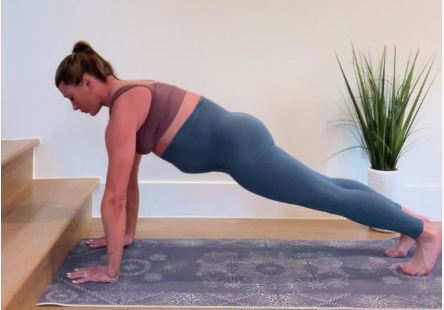
Image Source: pronatalfitness.com
Why Core Strength Matters During Pregnancy
A strong core is vital throughout pregnancy. It supports your growing uterus, helps alleviate back pain, and can contribute to better posture as your body shifts. Core strength pregnancy is not just about aesthetics; it’s about functional strength that aids in everyday activities and prepares you for the physical demands of childbirth. Pregnancy core exercises, when performed correctly, can be incredibly beneficial.
Navigating Planks Through Trimesters
The ability to perform planks and the necessary modifications will vary as your pregnancy progresses through the first, second, and third trimesters.
First Trimester Plank
During the first trimester plank, your body is still adjusting to pregnancy. For many, regular planking can continue as usual, provided you had a consistent exercise routine pre-pregnancy and your healthcare provider approves. However, listen to your body. If you experience any discomfort, dizziness, or nausea, ease off or switch to a modified version.
- Key Considerations:
- Maintain proper form.
- Focus on controlled breathing.
- Avoid holding your breath.
- If you are new to planks, start with shorter durations.
Second Trimester Plank
As you move into the second trimester plank, your growing belly will start to impact your balance and the way your body feels. The linea nigra, a dark line from your navel to pubic bone, may become more apparent. You might also experience mild round ligament pain, which is the stretching of ligaments that support the uterus. This is often when modified plank pregnancy versions become essential.
- Common Modifications:
- Knee Plank: This is a highly effective modification that reduces the intensity and strain on your abdominal muscles.
- Incline Plank: Performing planks against a wall or an elevated surface (like a sturdy chair or counter) significantly decreases the load.
- Forearm Plank vs. High Plank: Forearm planks are often preferred in the second trimester as they distribute weight more evenly and can feel more stable.
Third Trimester Plank
The third trimester plank presents the most significant challenges due to the enlarged uterus. The primary concern here is diastasis recti, the separation of the abdominal muscles. Traditional planks, especially high planks, can exacerbate this. Therefore, safe planking pregnancy becomes paramount. Focus on exercises that strengthen the deep core muscles without putting excessive outward pressure on the rectus abdominis.
- Focus for Third Trimester:
- Deep Core Engagement: Think about drawing your belly button towards your spine (transverse abdominis engagement).
- Pelvic Floor Integration: Coordinate core work with your pelvic floor muscles.
- Listen to Your Body: If any plank variation causes discomfort or bulging in your abdomen, stop immediately.
Safety First: When to Avoid or Modify
It’s vital to know when planks might not be suitable or require substantial modification.
Diastasis Recti and Planking
Diastasis recti is a common condition during pregnancy where the rectus abdominis muscles separate. Traditional abdominal exercises pregnancy like standard planks can worsen this if not performed carefully.
- Signs of Diastasis Recti During Planking:
- A visible “doming” or bulging down the midline of your abdomen.
- Pain or discomfort in the abdominal area.
- Weakness in your core.
If you notice any of these signs, it’s crucial to stop the current variation and consult with a physical therapist specializing in prenatal fitness. They can guide you on safe pregnancy fitness modifications and alternative exercises.
When to Seek Professional Advice
- Pre-existing Conditions: If you have a history of abdominal surgery, back problems, or other medical conditions, talk to your doctor before continuing planks.
- High-Risk Pregnancy: If you have a high-risk pregnancy, always get clearance from your obstetrician before any physical activity.
- Discomfort or Pain: Any sharp or persistent pain during an exercise means you should stop.
- Bleeding or Leaking Amniotic Fluid: If you experience any vaginal bleeding or leaking of amniotic fluid, stop all exercise and contact your healthcare provider immediately.
Benefits of Prenatal Planking (When Done Safely)
When performed correctly and with appropriate modifications, prenatal planks offer several advantages:
- Improved Posture: Helps counteract the forward pull of the growing uterus, reducing slouching and back strain.
- Reduced Back Pain: Strengthening the core muscles supports the spine.
- Preparation for Labor: A strong core can aid in pushing during labor.
- Postpartum Recovery: A strong core can help with a faster and smoother postpartum recovery.
- Pelvic Floor Support: By engaging the transverse abdominis, you also indirectly engage and support the pelvic floor.
Progressive Pregnancy Core Exercises
Planks are just one type of exercise to build core strength pregnancy. Here are other beneficial abdominal exercises pregnancy that can complement or substitute planks:
Modified Plank Pregnancy Options
Here are some common and effective modified plank pregnancy exercises:
Knee Plank
This is an excellent starting point and a staple throughout pregnancy.
- How to: Start on your hands and knees. Align your wrists directly under your shoulders. Extend your legs back so your body forms a straight line from your head to your knees. Keep your core engaged, drawing your belly button towards your spine. Avoid letting your hips sag or rise too high.
Incline Plank (Wall Plank)
This is very accessible and can be easily adjusted by moving your feet further from the wall.
- How to: Stand facing a wall, about arm’s length away. Place your hands on the wall at shoulder-width apart. Step your feet back so your body is at an angle. Engage your core and glutes, keeping your body in a straight line from head to heels.
Incline Plank (Countertop or Chair Plank)
Similar to the wall plank, but offers a more challenging angle.
- How to: Place your forearms or hands on a sturdy countertop or chair. Step your feet back so your body forms a straight line from head to heels. Maintain a strong core and avoid arching your back.
Bird-Dog
This exercise strengthens the core and improves stability while also working the glutes and back muscles.
- How to: Start on your hands and knees, with wrists under shoulders and knees under hips. Engage your core. Extend your right arm forward and your left leg straight back, keeping your back flat and hips level. Hold for a moment, then return to the starting position. Repeat on the other side.
Pelvic Tilts
This is a gentle exercise that helps engage the deep core and pelvic floor.
- How to: Lie on your back with knees bent and feet flat on the floor. Inhale and relax your abdominal muscles. Exhale and gently flatten your lower back against the floor, tilting your pelvis slightly upwards. You should feel your abdominal muscles gently engage. Hold for a breath, then release.
Technique for Safe Planking Pregnancy
Proper form is crucial for safe planking pregnancy. Focus on these points:
- Neutral Spine: Avoid arching your back or letting your hips sag. Imagine your body forming a straight line from your head to your heels (or knees in a modified plank).
- Core Engagement: Actively draw your belly button towards your spine. This engages your transverse abdominis, your deepest core muscle. Avoid holding your breath; breathe deeply and consistently.
- Glute Squeeze: Squeezing your glutes helps stabilize your pelvis and lower back.
- Shoulder Alignment: Keep your shoulders directly over your elbows (forearm plank) or wrists (high plank). Avoid shrugging your shoulders up to your ears.
- Neck Alignment: Keep your neck in a neutral position, in line with your spine. Don’t crane your neck forward or let your head drop.
- Listen to Your Body: This is the most important rule. If something doesn’t feel right, stop.
Progression and Regression
As your pregnancy progresses, you might need to regress to simpler modifications. Conversely, if you are an experienced exerciser, you might find that certain modifications still provide a good challenge.
- Regression: If a knee plank feels too challenging, you can try an incline plank against a wall.
- Progression: If knee planks feel easy, you can try holding them for longer durations or focusing on even deeper core engagement. You might also progress to a plank with alternating leg lifts (if approved by your doctor and you don’t experience doming).
What to Avoid in Planks During Pregnancy
- Holding Your Breath: This can increase blood pressure and is not beneficial.
- “Coning” or “Doming”: If you see a bulge down the midline of your abdomen, stop the exercise immediately. This indicates too much outward pressure on the abdominal wall.
- Jerking Movements: All movements should be slow and controlled.
- Overdoing It: Start with shorter durations and fewer repetitions, and gradually increase as your strength and comfort allow.
Table: Plank Modifications by Trimester
| Trimester | General Plank Suitability | Recommended Modifications/Focus | Exercises to Consider |
|---|---|---|---|
| First | Possible (if pre-existing routine) | Maintain form, avoid holding breath, listen to body. | Standard Plank (short holds), Knee Plank, Forearm Plank |
| Second | Often requires modification | Knee Plank, Incline Plank (wall/chair), Forearm Plank preferred. | Knee Plank, Wall Plank, Chair Plank, Bird-Dog, Pelvic Tilts |
| Third | High caution, often requires significant modification | Focus on deep core, avoid doming. Knee Plank may still be too much. | Wall Plank (steeper angle), Bird-Dog, Pelvic Tilts, Cat-Cow, Deep Core Breathing exercises. |
Important Considerations for Pregnancy Fitness Modifications
When engaging in any exercise during pregnancy, adopting a mindset of pregnancy fitness modifications is essential. This means being adaptable, responsive to your body’s signals, and prioritizing safety over intensity.
- Hydration: Drink plenty of water before, during, and after exercise.
- Warm-up and Cool-down: Always include a gentle warm-up before and a cool-down with stretching afterward.
- Comfortable Attire: Wear supportive and comfortable clothing.
- Proper Footwear: If you are doing any weight-bearing exercises, wear supportive shoes.
- Listen to Your Body: This cannot be stressed enough. Your body is going through immense changes.
Frequently Asked Questions (FAQ)
Q1: Can I do planks if I never did them before pregnancy?
It’s generally not recommended to start new, intense exercises like traditional planks during pregnancy if you weren’t already doing them. However, you could explore very gentle modifications like wall planks or pelvic tilts with your doctor’s approval.
Q2: How long should I hold a prenatal plank?
Start with short holds, perhaps 15-30 seconds, and focus on perfect form and controlled breathing. As you get stronger and more comfortable, you can gradually increase the duration, but always stop if you experience any discomfort or doming.
Q3: Is it safe to do planks on my back during pregnancy?
Lying on your back for extended periods can be uncomfortable and potentially restrict blood flow as your pregnancy progresses, especially into the second and third trimesters. It’s best to avoid prolonged supine exercises and opt for side planks or modified positions that don’t put pressure on your back.
Q4: What if I feel pressure in my pelvis during a plank?
Pressure in the pelvis could indicate your pelvic floor is not properly supported or that the exercise is too strenuous. Stop the exercise and try a more gentle modification or a different core exercise. Consult your healthcare provider or a prenatal physical therapist if this is a recurring issue.
Q5: Are there any specific breathing techniques for prenatal planks?
Yes, focus on diaphragmatic breathing. Inhale deeply, allowing your belly to expand outwards. As you exhale, gently engage your transverse abdominis by drawing your navel towards your spine. Avoid holding your breath.
Q6: When should I stop doing planks altogether during pregnancy?
You should stop planks if you experience any pain, dizziness, bleeding, leaking of amniotic fluid, or if you notice significant doming or coning of your abdomen. Always err on the side of caution.
In conclusion, while the question “Can You Do Plank Exercises While Pregnant?” is often met with a qualified “yes,” the real answer lies in how you adapt them. By prioritizing safe planking pregnancy, listening to your body, and making appropriate pregnancy fitness modifications, you can continue to reap the benefits of strong core strength pregnancy throughout this special time. Always remember that consulting your healthcare provider is the most important first step in any pregnancy exercise journey.