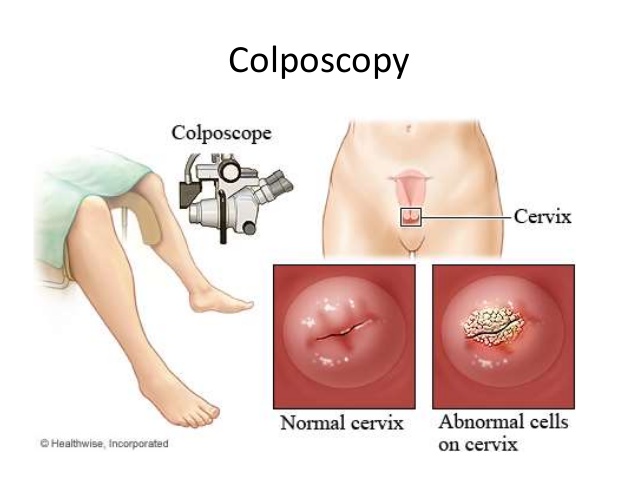
Image Source: goldcoastwomencare.com.au
Can You Exercise After A Colposcopy? Your Guide to Recovery & When to Resume
Yes, you can generally resume exercise after a colposcopy, but with important limitations and a careful approach to your recovery. The key is to listen to your body and follow your healthcare provider’s specific guidance regarding activity restrictions and your healing process.
A colposcopy is a procedure that allows your doctor to get a closer look at your cervix and vaginal tissue. It’s often done after an abnormal Pap smear. While it’s a relatively minor procedure, it does involve a biopsy in many cases, which means your body needs time to heal. This guide will help you navigate your recovery, focusing on when and how to safely reintroduce physical activity.
Why Activity Restrictions Matter After a Colposcopy
Following a colposcopy, especially if a biopsy was taken, the cervix and vaginal tissues are sensitive. They are essentially healing from a minor procedure. Engaging in strenuous activities too soon can disrupt this healing, leading to complications.
- Preventing Bleeding: The cervix has blood vessels that may have been disturbed during the biopsy. Straining or increased pressure can cause the biopsy site to bleed.
- Reducing Infection Risk: While the risk is low, any open wound, including a biopsy site, can be susceptible to infection. Certain activities might introduce bacteria.
- Minimizing Discomfort: Jumping back into intense workouts can exacerbate any lingering pelvic pain or discomfort from the procedure itself.
What to Expect During Your Colposcopy Recovery
Your recovery experience will vary depending on whether a biopsy was taken and the extent of the procedure. It’s essential to communicate openly with your doctor about any concerns or unusual symptoms.
Common Post-Colposcopy Symptoms
- Vaginal Discharge: It’s very common to have some mild, watery or slightly bloody discharge for a few days after a colposcopy, especially if a biopsy was taken. This is often due to the medicated solution used during the procedure and any healing tissue.
- Light Spotting or Bleeding: Some light spotting or a small amount of vaginal bleeding is also normal for a few days. This is usually not heavy, like a menstrual period.
- Mild Pelvic Cramping: You might experience some mild cramping, similar to menstrual cramps, for a day or two.
- Discomfort: A general feeling of discomfort or soreness in the vaginal area is not uncommon.
When to Seek Medical Advice
While some symptoms are normal, you should contact your doctor immediately if you experience:
- Heavy vaginal bleeding (soaking through a pad an hour)
- Severe abdominal pain or intense pelvic pain
- Fever or chills
- Foul-smelling vaginal discharge
- Persistent or worsening symptoms
Your Return to Exercise: A Gradual Approach
The most crucial aspect of resuming exercise after a colposcopy is patience. Your body needs time to heal properly. Your doctor will provide specific post-colposcopy care instructions, which are your primary guide.
Initial Activity Restrictions
Immediately following your colposcopy, your doctor will likely recommend the following activity restrictions for at least 24 to 72 hours, and potentially longer if a biopsy was performed:
- No Tampons: Avoid using tampons. Opt for sanitary pads to manage any discharge or spotting.
- No Vaginal Douches: Douching can disrupt the natural balance of the vagina and may introduce bacteria, hindering healing.
- No Sexual Activity: Abstain from penetrative sexual activity, including intercourse and the use of sex toys. This is vital to allow the cervix to heal and prevent bleeding or infection.
- Avoid Heavy Lifting: Refrain from lifting anything heavy, as this can increase intra-abdominal pressure and potentially affect the biopsy site.
When to Resume Exercise: A Phased Plan
The question of when to resume exercise after a colposcopy is best answered by your healthcare provider. However, here’s a general phased approach that many doctors recommend:
Phase 1: The First 24-72 Hours (Immediate Post-Procedure)
- Rest is Key: Focus on rest and minimal physical exertion.
- Light Movement: Gentle walking around the house for short periods is usually fine and can help prevent blood clots.
- No Exercise: Avoid any form of exercise, including workouts, sports, or even vigorous chores.
Phase 2: Days 3-7 (Initial Healing)
- Light Exercise Only: If you feel well and have no significant bleeding or pain, you can begin very gentle activities.
- Walking: Short, leisurely walks are generally safe. Listen to your body; if you feel tired or experience any discomfort, stop.
- Stretching: Gentle stretching can be beneficial. Avoid any stretches that put excessive pressure on the pelvic region.
- Continue Restrictions: Maintain the restrictions on tampons, douching, heavy lifting, and sexual activity.
- Monitor Symptoms: Pay close attention to any changes in discharge, bleeding, or pain.
Phase 3: After 7 Days (Potential for Increased Activity)
- Consult Your Doctor: This is the crucial juncture where you should check in with your doctor. They will assess your healing progress and provide personalized advice.
- Gradual Return to Moderate Activity: If your doctor gives you the green light, you can gradually increase the intensity and duration of your light exercise.
- Increased Walking Pace/Duration: Gradually increase the length and pace of your walks.
- Low-Impact Aerobics: Activities like stationary cycling (with a comfortable seat), swimming (once bleeding has stopped completely), or gentle yoga can be introduced.
- Avoid Strenuous Activity: Continue to avoid strenuous activity that involves significant physical exertion, heavy lifting, or high impact.
Phase 4: Two Weeks and Beyond (Resuming Normal Activity)
- Doctor’s Clearance is Paramount: For many individuals, especially if a biopsy was taken, your doctor will want to see you for a follow-up appointment around the two-week mark. This allows them to check the biopsy site and confirm healing.
- Cautious Return to More Intense Workouts: Once you have medical clearance, you can slowly begin to reintroduce more demanding exercises.
- Jogging/Running: Start with shorter distances and listen to your body for any discomfort.
- Weightlifting: Begin with lighter weights and fewer repetitions, gradually increasing as you feel comfortable.
- High-Impact Sports: For sports involving jumping, sudden stops, and starts, proceed with caution.
- Resuming Sexual Activity: You can typically resume sexual activity when cleared by your doctor, usually after the initial healing period (often around 2-4 weeks, depending on the individual and procedure). Ensure any spotting has completely stopped before resuming.
Types of Exercise and When to Resume
Let’s break down different types of exercise and how they might fit into your recovery timeline.
Light Exercise
Light exercise refers to activities that do not significantly increase your heart rate or put strain on your body. These are typically the first types of physical activity you’ll return to.
- Walking: As mentioned, this is usually the first step. Start slow and short, then gradually increase distance and speed.
- Gentle Yoga: Focus on restorative poses and avoid inversions or deep abdominal twists in the initial stages.
- Stretching: Gentle, full-body stretching is good for flexibility and can help ease any stiffness.
- Pelvic Floor Exercises (Kegels): Once you feel comfortable and have no bleeding, very gentle Kegel exercises can be resumed. However, avoid any that cause discomfort or pressure.
When to resume light exercise: Generally within 2-3 days after the procedure, provided you are feeling well and have no complications.
Moderate Exercise
Moderate exercise is any activity that increases your heart rate and breathing rate but still allows you to talk.
- Brisk Walking: Walking at a faster pace.
- Cycling (Stationary or Outdoor): Ensure the bike seat is comfortable and doesn’t put pressure on the pelvic area.
- Swimming: A great option once all vaginal bleeding has stopped. The buoyancy reduces impact.
- Elliptical Trainer: Offers a good cardiovascular workout with less impact than running.
- Dancing (Low-Impact): Gentle forms of dancing are usually fine.
When to resume moderate exercise: Typically after one week, and only with your doctor’s clearance, especially if a biopsy was taken.
Strenuous Activity
Strenuous activity is any exercise that causes you to sweat heavily and be out of breath. This includes high-intensity workouts.
- Running/Jogging: Higher impact and intensity.
- Weightlifting: Lifting heavy weights.
- High-Intensity Interval Training (HIIT): Intense bursts of activity.
- Contact Sports: Sports like soccer, basketball, and football.
- Aerobics (High-Impact): Activities with jumping and hopping.
When to resume strenuous activity: This usually requires a full 2-4 week recovery period and explicit medical advice from your healthcare provider. They will confirm that your biopsy site has healed completely.
Factors Influencing Your Recovery Timeline
Several factors can influence how quickly you can return to your normal exercise routine:
- Was a Biopsy Performed? If a biopsy was taken, your recovery will generally take longer than if the colposcopy was purely diagnostic. The biopsy creates a wound that needs to heal.
- Extent of the Biopsy: A larger or deeper biopsy may require more time for healing.
- Your General Health: Individuals with underlying health conditions may have a longer recovery period.
- How Your Body Responds: Everyone’s body heals differently. Some people bounce back quicker than others.
- Any Complications: If you experience any complications like infection or excessive bleeding, your recovery will be extended.
Tips for a Smooth Exercise Return
- Listen to Your Body: This cannot be stressed enough. If something feels wrong, stop immediately. Pain is a signal that you may be doing too much too soon.
- Stay Hydrated: Drink plenty of water, especially as you begin to increase your activity levels.
- Eat Nutritiously: Fuel your body with healthy foods to support the healing process.
- Communicate with Your Doctor: Don’t hesitate to ask your doctor questions about your post-colposcopy care and exercise plan. They are your best resource for personalized medical advice.
- Be Patient: It’s natural to want to get back to your routine, but rushing the process can lead to setbacks. Patience is key to a successful and healthy recovery.
Frequently Asked Questions (FAQ)
Q1: Can I go for a run after a colposcopy?
A1: Generally, no. Running is considered strenuous activity and involves high impact. You’ll need to wait until your doctor gives you clearance, which is usually at least 2-4 weeks, and only after they confirm your biopsy site has healed completely.
Q2: Is it okay to do Kegel exercises after a colposcopy?
A2: You can usually resume very gentle Kegel exercises after a few days, provided you feel no pain or discomfort. However, avoid any that cause pressure or strain in the pelvic area. It’s best to get clearance from your doctor, especially if you had a biopsy.
Q3: I have some spotting. Can I still exercise?
A3: If you have any vaginal bleeding or spotting, it’s best to avoid exercise until it completely stops. Spotting is a sign that the healing tissues are still sensitive.
Q4: What if I feel fine? Can I exercise sooner?
A4: While you might feel fine, the internal healing is still happening. Your doctor’s recommendations are based on ensuring safe healing. It’s crucial to adhere to the recommended activity restrictions to prevent complications like bleeding or infection, even if you feel well.
Q5: When can I resume sexual activity after a colposcopy?
A5: You should avoid all sexual activity (including intercourse and use of sex toys) until your doctor gives you the okay, typically after the initial healing period of 2-4 weeks, and when any spotting has ceased.
Q6: What if I experience pelvic pain after starting light exercise?
A6: If you experience pelvic pain when resuming exercise, stop immediately. Rest and see if the pain subsides. If it persists or worsens, contact your doctor. This is a sign that you may be doing too much too soon.
Q7: How long does the healing process typically take?
A7: The healing process after a colposcopy without a biopsy is usually quite quick, with most discomfort gone within a day or two. If a biopsy was taken, the biopsy site can take 1-4 weeks to heal completely. This is why activity restrictions are in place for that period.
Conclusion
Returning to exercise after a colposcopy is a process that requires patience, careful attention to your body’s signals, and close adherence to your doctor’s medical advice. Prioritizing rest and gentle movements in the initial stages allows your body to begin the healing process. As you gradually increase your activity, always consult with your healthcare provider for personalized guidance on when to resume exercise and what activity restrictions are appropriate for your specific situation. By taking a measured approach, you can safely transition back to your fitness routine without compromising your recovery.