After getting your wisdom teeth out, the short answer is yes, you can exercise, but not right away. You need to wait and let your mouth heal first. How long you need to wait depends on your specific surgery and how quickly your body recovers. Trying to exercise too soon can cause problems and make you feel worse.
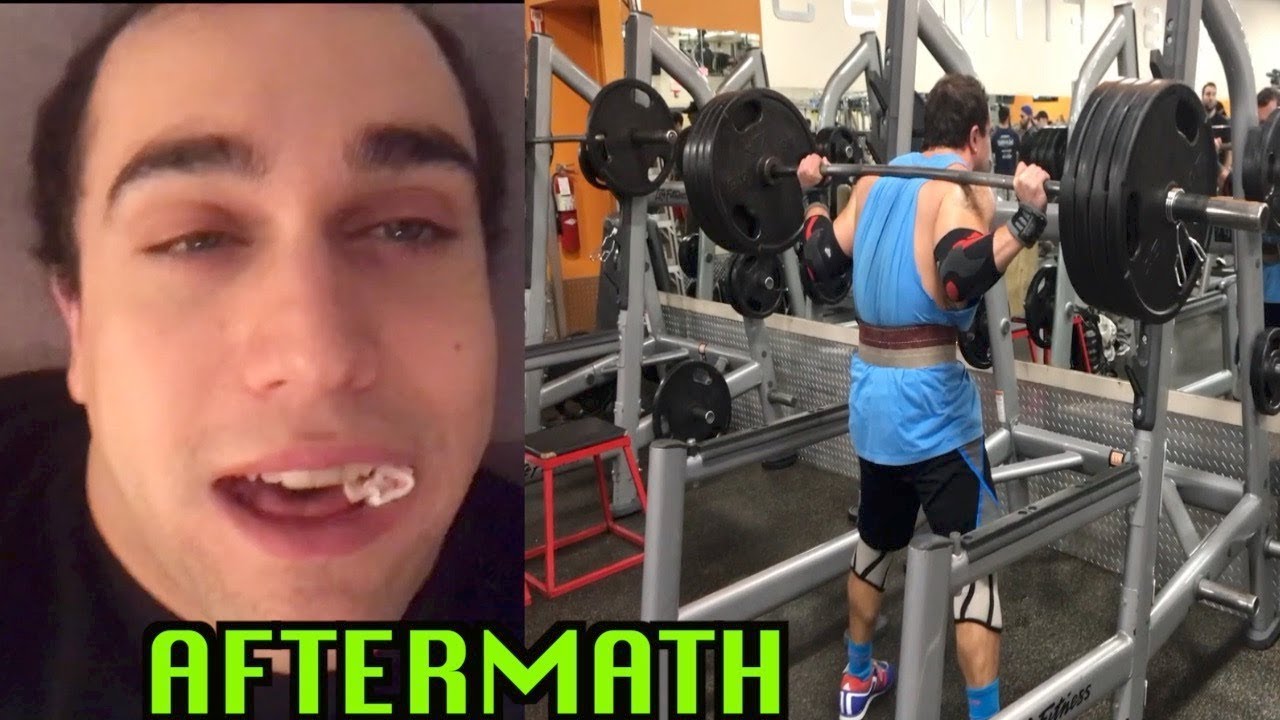
Image Source: i.ytimg.com
The Path to Feeling Better After Surgery
Getting wisdom teeth removed is a common surgery. It takes time for your mouth to heal. The first few days after surgery are the most important for resting and letting your body start the repair process. Your dentist or oral surgeon will give you specific instructions. Following these instructions closely helps prevent problems and leads to a smoother wisdom teeth removal recovery exercise plan later on. Healing involves the surgical sites closing up and forming blood clots, which are like nature’s bandages.
Why Resting Matters First
Right after surgery, your body needs all its energy to heal. You might feel tired, sore, and a little swollen. This is normal. Jumping into activity too soon can mess up the healing process. Think of it like this: your body is building a new house, and it needs quiet time to lay the foundation. If you start shaking the ground (with exercise) too early, the foundation won’t set right.
Dangers of Exercising Too Soon
Exercising too soon after having your wisdom teeth taken out can cause several problems. It’s why there are exercise restrictions wisdom teeth removal guidelines. These problems can delay your healing and cause pain.
- Bleeding: Physical activity increases blood flow and blood pressure. This can cause the surgical sites to bleed more or start bleeding again after they had stopped.
- More Swelling: Swelling is normal after surgery, but exercise can make it much worse. Increased blood flow brings more fluid to the area, increasing puffiness and discomfort. Swelling after wisdom tooth extraction exercise is a common issue if you push yourself too quickly.
- Pain: Activity can increase pain in the jaw and mouth area. Your body is trying to heal, and moving around too much can irritate the sensitive tissues.
- Dry Socket: This is a painful condition where the blood clot that forms in the socket (the hole where the tooth was) gets dislodged or doesn’t form properly. Exercise, especially vigorous activity or anything that causes suction (like drinking through a straw, which you should avoid anyway), can increase the risk of dry socket exercise. This is one of the main complications exercise wisdom teeth can cause.
- Infection: While less direct, pushing your body too hard when it’s trying to heal can potentially affect your immune system’s ability to fight off infection.
When Can You Start Exercising Again?
This is the big question: when can i exercise after wisdom teeth removal? There’s no single answer that fits everyone. It really depends on how your surgery went and how quickly your body heals. Your dentist or oral surgeon is the best person to give you a timeline based on your specific case.
However, there are some general guidelines for how long wait to exercise after wisdom teeth.
The First 24-48 Hours: Rest is Key
In the first one to two days after surgery, you should do very little activity. This means complete rest. No exercise at all. Keep your head raised with pillows, and follow all instructions about ice packs, medication, and soft foods. Moving around too much at this stage is very risky for bleeding and dislodging the blood clot.
Days 3-5: Taking the First Gentle Steps
Around three to five days after surgery, if your healing is going well and you have no active bleeding or severe pain, you might be able to introduce some very gentle activity. This is where gentle exercise after wisdom teeth removal comes in.
What does “gentle exercise” mean? It means light activities that don’t increase your heart rate or blood pressure much. Think of it as just moving your body a little.
- Slow Walking: A very slow walk around your house or in your yard for a few minutes. This is not speed walking; it’s a leisurely stroll.
- Gentle Stretching: Very light, slow stretches that don’t strain your neck or jaw area. Do not bend over vigorously.
- Light Chores: Very light activities like tidying up a little, as long as they don’t involve bending, lifting, or straining.
The key is to listen to your body. If you feel any pain, throbbing, increased swelling, or bleeding, stop immediately. Don’t push yourself at all during this phase.
Days 5-7: Gradually Increasing Activity (Maybe)
If you had an easy surgery with no complications and your healing is going very well, your dentist might clear you for slightly more activity around day 5 to 7. This still means being cautious.
You might be able to do slightly longer gentle walks. But still avoid anything that significantly raises your heart rate or blood pressure. This is not the time for your normal workout routine. Avoid running, jumping, heavy lifting, or any activities that could result in getting hit in the face or cause jarring movements.
One Week to 10 Days: Approaching Normalcy?
For many people, significant healing has occurred by one week to 10 days after surgery. The risk of dry socket goes down significantly after the first few days. If you have no pain, no swelling, and the surgical sites look like they are healing well (your dentist can check this), you might be able to start slowly returning to more normal exercise.
However, even at this stage, you should start slowly. Don’t jump straight back into your most intense workouts. Begin with moderate activities and see how you feel.
- Cardio: You might try some light cardio like cycling on a stationary bike or using an elliptical machine at a low intensity. Running after wisdom teeth extraction should still likely be avoided or started very slowly, as the jarring motion can potentially impact the healing sites.
- Weight Lifting: Lifting weights after wisdom teeth surgery should be approached with caution. Avoid heavy lifting that causes you to strain or hold your breath. This increases pressure in your head and can cause bleeding. Start with much lighter weights than usual.
Again, listen to your body. If you feel any discomfort, pain, or notice any bleeding or increased swelling, stop. You might need more time.
Two Weeks and Beyond: Returning to Full Activity
By two weeks after surgery, most people who had a standard recovery can gradually return to their full exercise routine. The surgical sites should be mostly closed, and the risk of complications like dry socket is very low.
However, it is still wise to ease back in. Don’t try to do your hardest workout ever the first day you return. Build back up slowly.
Important Note: These are general timelines. Some people heal faster, and some need more time. Factors like how many teeth were removed, if they were impacted, your age, and your overall health affect your recovery speed. Always get the okay from your dentist or oral surgeon before returning to exercise, especially intense activity.
Gentle Ways to Move Early On
When you are ready for gentle exercise after wisdom teeth removal, here are some safe options for the first week:
- Short, Slow Walks: Start with just 5-10 minutes. Walk slowly. If you feel tired or any discomfort, stop.
- Chair Yoga: Gentle stretches done while sitting. Avoid inversions (where your head is below your heart) or poses that strain your neck or jaw.
- Light Household Chores: Non-strenuous tasks like folding laundry or washing dishes. Avoid bending over for long periods or lifting anything heavy.
The goal is just to avoid being completely still for days, which can sometimes make you feel stiff. Light movement can help with circulation, which might even aid healing, but only if it’s truly gentle and doesn’t cause any negative symptoms.
Stepping Up the Intensity: When and How
Once your dentist gives you the go-ahead, you can start thinking about getting back to your usual workouts. Remember to increase intensity slowly.
Running After Wisdom Teeth Extraction
Running involves impact and jarring movements. This can increase blood flow significantly and potentially affect the healing sockets.
- Start Slow: Begin with a mix of walking and very light jogging.
- Shorter Duration: Don’t try to run your usual distance right away.
- Listen to Your Body: Pay close attention to your jaw and mouth. If you feel throbbing, pain, or notice bleeding, stop running.
- Hydration: Stay well-hydrated, but sip water; don’t use a straw.
It might take a little longer than other activities to return to full-speed running safely.
Lifting Weights After Wisdom Teeth Surgery
Lifting weights, especially heavy ones, increases blood pressure throughout your body, including your head. Straining during lifts can also put pressure on the surgical sites.
- Start Light: Use much lighter weights than you normally would. Focus on more repetitions with less weight.
- Avoid Straining: Do not hold your breath or grunt during lifts. Breathe naturally.
- Choose Exercises Wisely: Avoid exercises that put direct pressure on your head or neck or involve forceful movements of the upper body initially.
- Listen to Your Body: If you feel pressure or throbbing in your jaw, stop the exercise.
It’s better to take an extra week off from heavy lifting than to cause a complication that sets your recovery back.
Heeding Your Body’s Signals
This is perhaps the most important advice: listen to your body. Your body will tell you if you are doing too much too soon.
Signs you need to stop exercising immediately:
- Increased bleeding from the extraction sites.
- New or increased pain that is not controlled by your pain medication.
- Increased swelling. Swelling after wisdom tooth extraction exercise indicates you are overdoing it.
- Throbbing in the jaw area.
- Feeling dizzy or lightheaded.
- A bad taste or smell in your mouth, which could be a sign of dry socket or infection. Dry socket exercise attempts will likely be very painful.
Ignoring these signs can lead to complications exercise wisdom teeth recovery is trying to avoid.
Making Exercise Safer During Recovery
If your dentist has cleared you for gentle activity, here are some tips to stay safe:
- Stay Hydrated: Drink plenty of water. This is good for overall healing. Avoid straws!
- Keep Your Head Up: Try to keep your head above your heart during and after exercise to help manage blood flow and reduce swelling risk. Avoid bending over.
- Avoid Mouth Rinsing Right After: Don’t rinse vigorously after exercising. If you need to rinse (as instructed by your dentist, likely with salt water), do so very gently by tilting your head.
- Eat Properly: Continue to eat soft foods as recommended by your dentist. Good nutrition supports healing.
- Monitor the Sites: After any activity, gently check the extraction sites (using a mirror if needed) for any signs of increased bleeding or swelling.
- Buddy System: If you are feeling weak, consider having someone with you when you first try gentle walks.
Potential Problems and What to Do
Knowing what complications exercise wisdom teeth recovery can face is important. If you experience any of these issues after attempting exercise, stop and contact your dentist or oral surgeon right away:
- Excessive Bleeding: If bleeding increases and doesn’t stop within a few minutes of resting and applying gentle pressure (with gauze provided by your dentist), call your dentist.
- Severe Pain: Pain that is much worse than before exercise, or pain that doesn’t get better with medication, could signal a problem like dry socket. This is a key symptom of dry socket exercise could aggravate.
- Significant Swelling: If swelling gets much larger after activity.
- Signs of Infection: Increasing pain, swelling, redness, pus, or fever.
- Dry Socket: Intense throbbing pain, often radiating to your ear, that starts a few days after surgery. The socket might look empty or have visible bone instead of a blood clot. If you suspect dry socket exercise will be impossible due to pain, but attempting it might worsen the situation if you push through.
Promptly addressing these issues is crucial for a smooth wisdom teeth removal recovery exercise plan moving forward.
Recovery Timeline and Exercise Progression
Here is a general idea of how exercise fits into the recovery timeline. Remember, this is just a guide; your actual recovery may differ.
| Time After Surgery | Recommended Activity Level | Things to Avoid | What to Watch For |
|---|---|---|---|
| 0-24 hours | Complete Rest | Any physical activity, bending, lifting, talking | Bleeding, pain |
| Days 1-2 | Complete Rest (continue) | Same as above | Swelling, bruising, pain |
| Days 3-5 | Very Gentle Movement: Short, slow walks | Anything that raises heart rate/blood pressure | Increased pain, bleeding, swelling |
| Days 5-7 | Gentle Activity: Longer walks, gentle stretching | Moderate/intense cardio, heavy lifting, bending | Any discomfort in mouth/jaw |
| Days 7-10 | Light to Moderate: Stationary bike, light weights | Intense cardio, heavy lifting, high-impact | Pain, throbbing, swelling after activity |
| Days 10-14 | Gradually Increase: Light running, moderate weights | High-impact, heavy straining (ease back in) | Any persistent pain or swelling |
| 2 Weeks + | Gradually Return to Normal: Full workouts | Still listen to your body, build back slowly | Any new or returning symptoms |
This table is a general guide. Always follow your surgeon’s specific instructions.
Factors Affecting Your Healing Speed
Several things can influence how quickly you can get back to your normal activities, including exercise:
- Complexity of the Surgery: Were the teeth impacted (stuck in the bone)? Were they close to nerves? More complex surgeries usually mean a longer recovery time.
- Number of Teeth Removed: Having one tooth removed is generally easier to recover from than having all four removed.
- Your Age: Younger people often heal faster than older adults.
- Your Overall Health: Conditions like diabetes or issues with your immune system can affect healing. Smoking significantly delays healing and increases the risk of dry socket.
- Following Aftercare Instructions: How well you follow your dentist’s instructions for cleaning, medication, and diet makes a big difference in preventing complications. Proper wisdom teeth removal recovery exercise timing depends heavily on following these instructions.
Frequently Asked Questions About Exercise and Wisdom Teeth
Here are some common questions people ask about exercising after wisdom teeth removal:
H5 Can I do light exercise the day after wisdom teeth removal?
No, generally not. The first 24-48 hours are critical for rest. Any exercise, even light activity, can increase the risk of bleeding and complications like dry socket. Wait at least 3-5 days, and start only with very gentle movement like slow walking, if cleared by your dentist.
H5 When can I run after wisdom teeth extraction?
Running involves jarring movements and significantly increases blood flow. Most people need to wait at least 7-10 days, and often two weeks or more, before attempting to run. Start with very short, slow runs or walk/run intervals and see how you feel. Listen to your body carefully.
H5 Is lifting weights after wisdom teeth surgery safe after one week?
Maybe, but start very light. Heavy lifting increases blood pressure and can cause straining, which is risky. Around 7-10 days, you might be able to do very light weights with many reps, avoiding straining. Avoid heavy lifting for at least two weeks, or until your surgeon says it’s okay.
H5 Can gentle exercise after wisdom teeth removal help?
Very gentle movement like slow walking (starting around day 3-5, if cleared) can help with circulation and make you feel less stiff. However, it should only be done if you have no pain or bleeding, and you must stop if you feel any discomfort. It’s not a replacement for rest early on.
H5 What does dry socket exercise risk mean?
Exercising, especially vigorous activity or anything causing suction, can dislodge the protective blood clot in the socket. If this clot is lost, it exposes the bone and nerves, leading to a dry socket, which is very painful. The risk is highest in the first few days. Avoiding exercise early on helps prevent this.
H5 What are the main exercise restrictions wisdom teeth removal patients face?
The main restrictions are avoiding activities that:
* Increase your heart rate and blood pressure significantly (cardio).
* Involve heavy lifting or straining.
* Cause jarring movements (running, jumping).
* Could potentially cause impact to your face or mouth.
These restrictions are strictest in the first week and gradually loosen as you heal.
H5 Can swelling after wisdom tooth extraction exercise gets worse?
Yes, definitely. Exercise increases blood flow to the head and face area, which can worsen swelling around the extraction sites. If you notice increased swelling after being active, it’s a sign you did too much and should stop.
H5 How long wait to exercise after wisdom teeth usually is recommended?
For any moderate to vigorous exercise, most people need to wait at least 7-10 days, and often two full weeks. Gentle walking might be possible sooner (around day 3-5), but only if healing is going very well and with your dentist’s approval.
H5 What complications exercise wisdom teeth surgery can lead to?
The main complications from exercising too soon are increased bleeding, worse swelling, severe pain, and dry socket. In rare cases, pushing yourself too hard could also potentially delay overall healing or contribute to infection risk if not managed well.
Final Thoughts on Recovery and Activity
Getting your wisdom teeth out requires a period of rest to heal properly. While you might be eager to get back to your workout routine, patience is key. Trying to exercise too soon, especially intense activity like running after wisdom teeth extraction or lifting weights after wisdom teeth surgery, can lead to painful complications like increased bleeding, swelling after wisdom tooth extraction exercise, or even dry socket exercise worries.
Follow your dentist’s instructions carefully. Start with gentle exercise after wisdom teeth removal only when they say it’s okay, usually around day 3-5. Gradually increase your activity level over one to two weeks, constantly listening to your body. Any signs of increased pain, bleeding, or swelling mean you need to stop and rest more.
A smooth wisdom teeth removal recovery exercise plan involves prioritizing healing first. By waiting until it’s safe and slowly returning to activity, you can avoid complications and get back to your normal routine without setting yourself back. When in doubt, always ask your dentist or oral surgeon. They know your specific situation best.