Yes, you can exercise after a tooth extraction, but with careful consideration and adherence to your dentist’s specific instructions. The key is to ease back into post-extraction physical activity gradually, prioritizing your healing and avoiding anything that could compromise the surgical site.
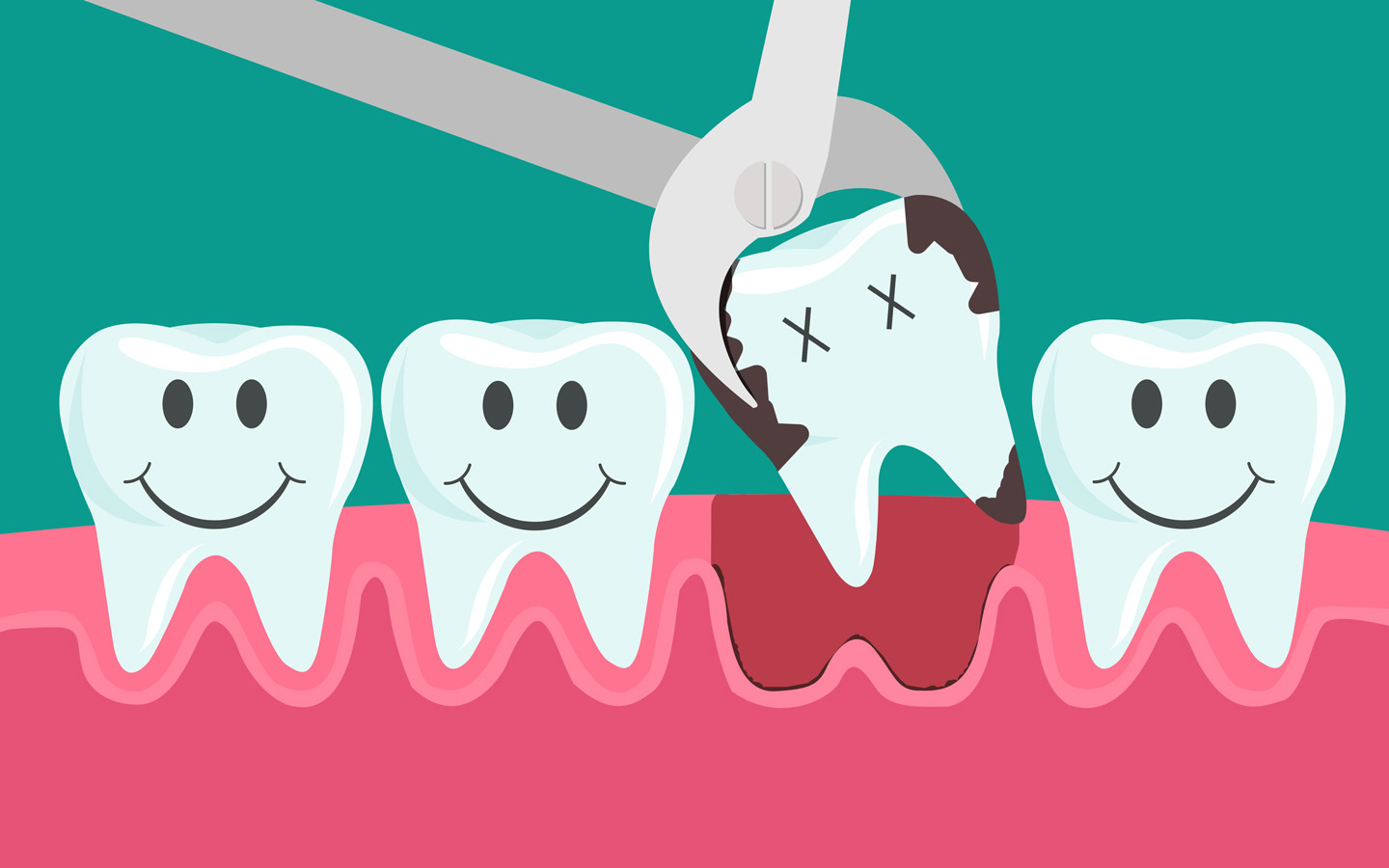
Image Source: www.medicomdtx.com
The Healing Process After Tooth Extraction
When you have a tooth removed, your body begins a natural healing process. This involves forming a blood clot in the socket, which is crucial for protecting the exposed bone and initiating tissue repair. Any disruption to this clot can lead to a painful condition called a dry socket, which significantly delays healing and can cause intense discomfort. Therefore, your initial focus after surgery should be on protecting this delicate healing environment.
What Happens During Healing?
- Blood Clot Formation: Immediately after extraction, a blood clot forms in the socket. This is the first step in healing.
- Granulation Tissue: Within a few days, the clot is covered by granulation tissue, a new pinkish tissue that starts to fill the socket.
- Bone Remodeling: Over several weeks and months, the socket gradually fills with bone.
When Can You Start Exercising?
The timeline for resuming exercise after tooth removal is not one-size-fits-all. It depends on several factors, including:
- Type of Extraction: Simple extractions generally require less recovery time than surgical extractions involving impacted teeth or significant bone removal.
- Your Overall Health: Individuals with good general health may recover faster.
- Your Dentist’s Advice: This is the most important factor. Your dentist will provide specific post-operative instructions tailored to your procedure.
As a general guideline:
- First 24-48 Hours: Focus on rest and minimal activity. Avoid any strenuous movements.
- Days 3-7: You might be able to introduce mild exercise after tooth extraction, such as gentle walking.
- After 1 Week: If healing is progressing well, you can typically start increasing the intensity and duration of your workouts, but still with caution.
It’s crucial to consult your dentist or oral surgeon before resuming any exercise routine. They can assess your healing and give you the green light.
Factors Influencing Your Return to Exercise
| Factor | Impact on Exercise Recovery |
|---|---|
| Extraction Type | Simple: Shorter recovery. Surgical: Longer recovery, more precautions. |
| Anesthesia | Local anesthetic may wear off quickly, but sedation requires more rest. |
| Pain Level | Significant pain is a sign to rest. |
| Swelling | Increased swelling might indicate overexertion. |
| Bleeding | Any active bleeding means you need to stop. |
| Overall Health | Good health can speed up recovery. |
The Impact of Exercise on a Healing Tooth Socket
Exercise, especially strenuous activity dental extraction aftermath, can have a significant impact on your healing tooth socket. Here’s how:
What to Avoid
- Increased Blood Pressure: Strenuous exercise can elevate your blood pressure. A sudden spike can dislodge the protective blood clot, leading to a dry socket.
- Physical Impact: Activities involving jarring movements or direct impact to the head and face can disrupt the healing site.
- Heat: High temperatures from intense workouts can increase blood flow to the area, potentially leading to bleeding or swelling.
- Swishing/Spitting: Vigorous spitting or rinsing can also dislodge the blood clot.
Benefits of Gentle Exercise
While avoiding strenuous activity is key, wound healing exercise dental recovery can actually be beneficial when done correctly.
- Improved Circulation: Gentle movement can improve blood circulation, which is essential for delivering nutrients and oxygen to the healing tissues.
- Reduced Swelling and Bruising: Light activity can help manage swelling and bruising.
- Mood Boost: Exercise releases endorphins, which can help manage pain and improve your overall mood during recovery.
Safest Exercises Post Tooth Extraction
The safest exercises post tooth extraction are those that are low-impact and don’t put undue pressure or strain on your head and mouth.
Recommended Activities
- Walking: This is often the first and best mild exercise after tooth extraction. Start with short, leisurely walks and gradually increase the distance and pace as you feel comfortable.
- Gentle Stretching: Light stretching can help maintain flexibility and reduce stiffness without stressing the surgical area. Focus on stretches for your limbs and torso, avoiding any head or neck movements that strain the mouth.
- Yoga (Modified): Certain yoga poses, particularly restorative or gentle flow styles, can be adapted. Avoid inversions (headstands, downward-facing dog) and poses that require holding your breath or straining. Always inform your instructor about your recent procedure.
- Stationary Cycling: Once you can comfortably sit upright without discomfort, a stationary bike can be a good option for cardiovascular exercise. Keep the intensity low initially.
- Light Swimming: After a few days, if there’s no open wound and you avoid spitting or vigorous head movements, swimming can be a low-impact option. Ensure your extraction site is well-sealed.
Activities to Avoid
- High-Intensity Interval Training (HIIT): The rapid changes in heart rate and intensity can be too much.
- Weightlifting: Heavy lifting, especially exercises that involve straining or holding your breath (like Valsalva maneuver), can significantly increase blood pressure and risk dislodging the clot.
- Contact Sports: Football, basketball, boxing, and similar sports carry a high risk of facial trauma.
- Running/Jogging: While better than high-impact activities, the jarring motion might still be too much initially.
- Activities with Head Downward Positions: Any exercise where your head is significantly lower than your heart should be avoided to prevent increased pressure on the extraction site.
- Hot Yoga/Saunas: The heat can increase blood flow and potentially cause bleeding or swelling.
Gradual Return to Your Fitness Routine
The goal is a smooth transition back to your normal dental surgery recovery exercise regimen. Think of it as a phased approach:
Phase 1: Immediate Post-Op (First 24-72 Hours)
- Rest is paramount.
- Focus on following all post-operative instructions from your dentist.
- Manage pain and swelling with prescribed medication and ice packs.
- Avoid any physical exertion.
Phase 2: Early Recovery (Days 3-7)
- Introduce very light activity.
- Gentle walking: Start with 10-15 minutes.
- Light stretching: Focus on major muscle groups.
- Listen to your body. If you feel any discomfort or increased pain, stop immediately.
- Avoid any activity that raises your heart rate significantly or involves straining.
Phase 3: Moderate Activity (Week 1-2, depending on healing)
- Gradually increase the duration and intensity of your chosen activities.
- Walking: Extend duration to 30 minutes, potentially increasing pace.
- Stationary cycling: Increase resistance slightly.
- Modified Yoga: Continue with gentle poses.
- No lifting anything heavier than 10-15 lbs. This is a common guideline to avoid straining.
Phase 4: Return to Normal (After 2 Weeks or as advised)
- Slowly reintroduce your regular workout routine.
- Begin with lighter weights and fewer repetitions if you lift weights.
- Gradually increase intensity and duration over several days or weeks.
- Pay close attention to how your body responds. If you experience any increased pain or swelling, scale back.
- Avoid activities that directly impact the mouth or head.
What to Watch For and When to Contact Your Dentist
It’s essential to monitor your healing and be aware of any signs that might indicate a problem.
Signs of Concern
- Increased or severe pain that is not managed by over-the-counter pain relievers.
- Persistent bleeding that doesn’t stop with pressure.
- Swelling that worsens after a few days.
- Fever or chills.
- Bad taste or odor from the extraction site (can indicate infection).
- Pain that radiates to the ear.
- Opening your mouth becomes difficult (trismus).
When to Seek Professional Help
If you experience any of the above symptoms, or if you’re unsure about your activity level, it’s always best to contact your dentist or oral surgeon. They can provide personalized guidance and ensure your recovery is on track. Avoiding strain after tooth extraction is paramount to preventing complications.
Frequently Asked Questions (FAQ)
Can I Go to the Gym After Tooth Extraction?
Yes, but not immediately, and you need to be selective about your activities. Avoid strenuous workouts, heavy lifting, and exercises that involve impact or strain on your head and mouth. Focus on light cardio like walking or cycling at a low intensity, and gentle stretching. Always consult your dentist first.
How Long Should I Wait Before Lifting Weights After Tooth Extraction?
It’s generally recommended to wait at least one to two weeks before returning to weightlifting. When you do return, start with lighter weights than you normally would and gradually increase the load. Avoid any exercises that cause you to strain or hold your breath, as this can increase blood pressure and affect the healing socket.
Will Exercise Affect the Blood Clot?
Strenuous exercise that significantly increases blood pressure or involves jarring movements can potentially dislodge the blood clot. This is why it’s crucial to start with mild exercise after tooth extraction and gradually build up intensity, prioritizing rest and avoiding activities that could cause bleeding or pressure changes in your mouth.
Is it Okay to Jog After a Tooth Extraction?
Jogging might be acceptable after about a week, provided your healing is progressing well and you feel no discomfort. However, it’s still considered a higher-impact activity than walking. Start with very gentle jogging and pay close attention to how your body feels. If you experience any pain, bleeding, or swelling, revert to walking and consult your dentist.
What If I Feel a Tugging Sensation During Exercise?
A tugging sensation could indicate that your stitches are being strained or that you are putting too much pressure on the surgical site. If you feel this, stop exercising immediately and rest. If the sensation persists or is accompanied by pain or bleeding, contact your dentist.
How Does Exercise Impact Healing Tooth Socket?
Exercise can impact a healing tooth socket in two main ways: positively and negatively. Gentle, low-impact exercises can improve circulation, which aids in delivering nutrients and oxygen to the healing tissues. However, strenuous activity that increases blood pressure, causes jarring movements, or leads to overheating can disrupt the blood clot, delay healing, and potentially lead to complications like dry socket.
What are the Safest Exercises Post Tooth Extraction?
The safest exercises are those that minimize any stress on your head and mouth. This includes gentle walking, light stretching, modified yoga (avoiding inversions), and stationary cycling at low intensity. These activities promote circulation without risking the delicate healing process.
How Soon Can I Return to the Gym After Tooth Extraction?
While you can resume light, low-impact activities like walking after a few days, a full return to gym after tooth extraction typically requires at least a week to ten days, and even then, you must be very cautious. Avoid strenuous equipment, heavy weights, and intense cardio. Consult your dentist for personalized advice on when it’s safe to resume your full gym routine.