A pedometer helps people reach their fitness goals by providing tangible feedback on their activity levels, encouraging consistent movement, and fostering a sense of accomplishment through quantifiable progress. By acting as a step counter, it transforms everyday movement into a measurable metric, directly impacting fitness tracking and activity monitoring.
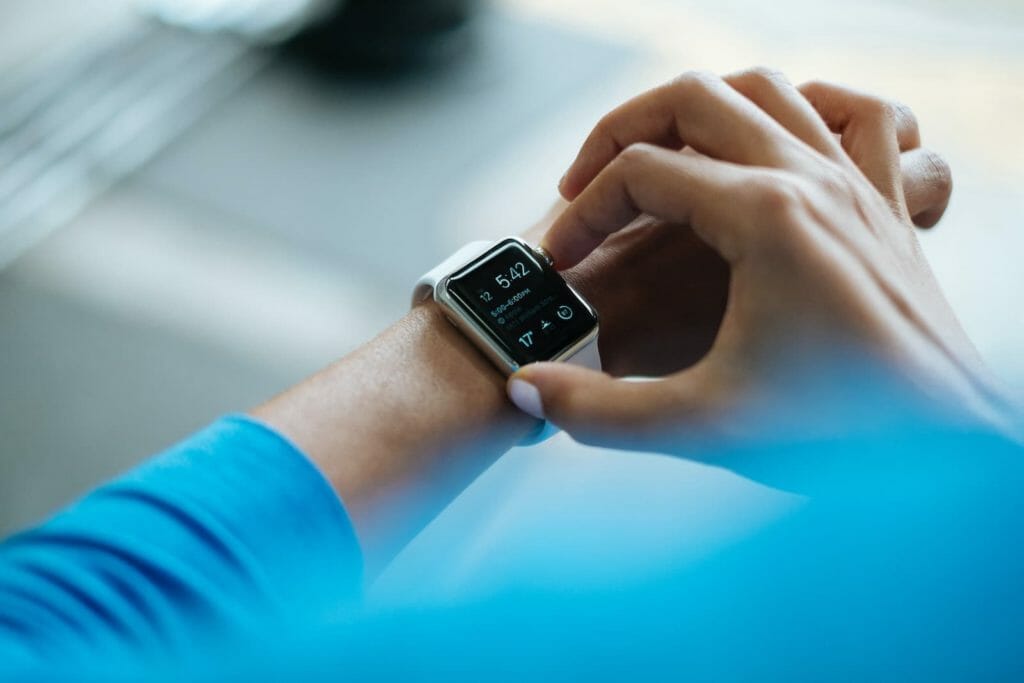
Image Source: fitnessproject.us
Gaining Momentum: The Power of Counting Steps
Many people find it challenging to start or maintain a fitness routine. The sheer thought of a grueling gym session or an intense workout can be daunting. This is where a simple, unassuming device – the pedometer – steps in, offering a gentle yet powerful nudge towards a healthier lifestyle. What exactly is a pedometer, and how can this small gadget become your biggest ally in achieving your fitness aspirations?
At its core, a pedometer is a device that measures the number of steps a person takes. It typically uses an accelerometer or a pendulum mechanism to detect the motion of walking or running. Modern pedometers, often integrated into smartphones or dedicated wearable devices like smartwatches and fitness trackers, offer much more than just a simple step count. They provide comprehensive activity monitoring, tracking not only daily steps but also distance covered, calories burned, and even sleep patterns. This wealth of data empowers individuals to take control of their health and fitness journey.
The Foundation of Fitness: Daily Steps and Their Impact
The concept of aiming for a certain number of daily steps is a foundational element of many fitness programs. While specific recommendations can vary, a common target often cited is 10,000 steps per day. Reaching this milestone is not just a number; it represents consistent physical activity that contributes significantly to overall well-being.
Why 10,000 Steps? A Look at the Origins
The 10,000-step goal originated in Japan in the 1960s with the introduction of the first pedometer, “Manpo-kei,” which translates to “10,000 steps meter.” While the scientific basis for this exact number was initially more marketing than rigorous research, subsequent studies have shown that achieving around 10,000 steps a day is associated with substantial health benefits. These include a reduced risk of heart disease, improved blood pressure, better blood sugar control, and enhanced mood.
Breaking Down the Numbers: Making Steps Achievable
For someone who is currently sedentary, jumping to 10,000 steps might seem impossible. This is where the pedometer’s true value shines. It allows for gradual progression. A person might start by aiming for 3,000 steps and gradually increase their target each week. The step counter provides immediate feedback, showing progress and creating a visual representation of effort. Seeing the numbers climb can be incredibly motivating.
- Week 1: Aim for 3,000 daily steps.
- Week 2: Aim for 4,000 daily steps.
- Week 3: Aim for 5,000 daily steps.
This incremental approach, facilitated by the pedometer, makes goal setting more manageable and less overwhelming. Each small victory, represented by reaching a daily step target, builds confidence and reinforces the habit of moving more.
Beyond Steps: Expanding the Pedometer’s Role in Fitness
While counting steps is a primary function, modern pedometers and fitness trackers offer a more holistic approach to fitness tracking. They delve deeper into the metrics that matter for achieving various fitness goals.
Calorie Burning: A Direct Link to Weight Management
One of the most significant benefits of using a pedometer is its ability to estimate calorie burning. As you walk, run, or engage in any physical activity that registers as steps, the device calculates the approximate number of calories you have expended. This information is crucial for individuals focused on weight loss.
By understanding how many calories their activity burns, people can make informed decisions about their diet and exercise. For example, if someone knows they burn 300 calories on a 30-minute brisk walk, they can adjust their food intake accordingly to create a calorie deficit, which is essential for losing weight.
Factors Influencing Calorie Burning:
- Weight: Heavier individuals generally burn more calories than lighter individuals performing the same activity.
- Intensity: Brisk walking burns more calories than a leisurely stroll.
- Duration: Longer periods of activity lead to higher calorie expenditure.
- Terrain: Walking uphill or on uneven surfaces increases the effort and thus calorie burn.
A pedometer provides a personalized estimate of these factors, offering a more accurate picture of your energy expenditure than generic charts.
Distance Traveled: Visualizing Your Efforts
Knowing the distance traveled adds another layer of insight into your physical activity. Whether you’re training for a 5K race or simply aiming to cover more ground in your daily routine, tracking distance provides a tangible measure of your progress.
For runners, tracking distance is essential for pacing and endurance building. For walkers, it helps to gauge how far they’ve gone, which can be a great motivator. Seeing that you’ve walked or run several miles in a day can be incredibly satisfying and encourage you to go even further next time. This is particularly helpful when setting goal setting for distance-based activities.
Fueling Fitness Motivation: The Psychological Boost
Perhaps one of the most powerful benefits of a pedometer is its ability to ignite and sustain exercise motivation. The constant feedback loop provided by a step counter plays a significant role in this.
The Power of Immediate Feedback
Human psychology responds well to immediate rewards and visible progress. When you see your step count increase throughout the day, it provides a small but potent sense of accomplishment. This positive reinforcement encourages you to take that extra step, walk to the farthest parking spot, or take the stairs instead of the elevator. It transforms mundane movements into opportunities for progress.
Gamification and Competition: Turning Fitness into Fun
Many modern pedometers and accompanying apps incorporate gamification elements. This can include:
- Virtual Badges: Awarded for reaching milestones like hitting a certain number of steps, completing a challenge, or maintaining consistency.
- Leaderboards: Allowing users to compare their activity levels with friends or a wider community.
- Challenges: Setting personal or group challenges, such as a “100,000 steps in a week” challenge.
These features inject an element of fun and friendly competition into the fitness journey, making it less of a chore and more of an engaging activity. The desire to “win” or simply keep up with friends can be a powerful driver of exercise motivation.
Visualizing Progress Over Time
Most pedometers and fitness tracking apps allow you to view your historical data. Seeing a graph of your daily steps over weeks or months can be incredibly rewarding. It visually demonstrates how far you’ve come, highlighting improvements in consistency and activity levels. This historical data reinforces positive habits and makes it easier to see the long-term impact of your efforts.
Achieving Specific Fitness Goals with a Pedometer
A pedometer isn’t just for general fitness; it can be a valuable tool for achieving specific health and fitness objectives.
Weight Loss: A Consistent Partner
As mentioned, calorie burning is directly linked to weight loss. By using a pedometer to track daily steps and estimate calories burned, individuals can:
- Establish a Baseline: Know their current activity level and calorie expenditure.
- Set Realistic Goals: Determine how many extra steps or miles they need to walk to create a sustainable calorie deficit.
- Monitor Progress: See how their activity levels contribute to their weight loss journey.
For example, if the goal is to lose one pound per week, and it’s estimated that 3,500 calories equal one pound of fat, an individual might aim to increase their daily activity to burn an extra 500 calories. A pedometer helps quantify the steps needed to achieve this.
Improving Cardiovascular Health: The Heart of the Matter
Regular physical activity, as tracked by a pedometer, is crucial for cardiovascular health. Aiming for a consistent number of daily steps helps to:
- Strengthen the Heart Muscle: Making it more efficient at pumping blood.
- Lower Blood Pressure: Reducing strain on arteries.
- Improve Cholesterol Levels: Increasing HDL (good) cholesterol and lowering LDL (bad) cholesterol.
The activity monitoring features of a pedometer can help individuals ensure they are meeting the recommended guidelines for moderate-intensity physical activity, often translated into step counts and duration.
Increasing Energy Levels and Reducing Stress
Beyond the physical, consistent movement tracked by a pedometer can have profound effects on mental well-being. Increased activity monitoring often leads to:
- Higher Energy Levels: Regular exercise improves circulation and oxygen delivery to the brain and body.
- Reduced Stress and Anxiety: Physical activity releases endorphins, which have mood-boosting effects.
- Improved Sleep Quality: A more active day often translates to better sleep at night.
These are significant health benefits that contribute to a higher quality of life, and a pedometer provides the objective data to encourage the behaviors that lead to them.
Choosing the Right Pedometer: Features to Consider
With the array of devices available, selecting the right pedometer or fitness tracker can be a decision in itself. Consider these factors:
Accuracy of the Step Counter
- Accelerometer-based: These are common in smartphones and many wrist-worn devices. They are generally accurate for walking but can sometimes overestimate steps during vigorous, non-walking activities.
- GPS-based: While more common for distance tracking, some devices use GPS to supplement step counting.
- Pendulum-based: Older, clip-on pedometers that rely on the body’s swing. They can be less accurate if not worn correctly.
For most users, an accelerometer-based step counter integrated into a smartphone or a dedicated fitness tracker offers a good balance of accuracy and convenience.
Additional Features for Comprehensive Fitness Tracking
When looking beyond just a step counter, consider devices that offer:
- Distance and Pace Tracking: Essential for runners and cyclists.
- Calorie Counter: For weight loss and calorie burning awareness.
- Heart Rate Monitoring: Provides deeper insights into workout intensity and cardiovascular health.
- Sleep Tracking: Crucial for recovery and overall well-being.
- Smartphone Integration: Seamless syncing of data with apps for analysis and goal setting.
- Water Resistance: For tracking activities like swimming.
User Interface and App Ecosystem
The best pedometer is one that you will actually use. Look for a device with an intuitive interface and a user-friendly companion app. The app should make it easy to:
- View your daily steps and historical data.
- Set and track progress towards your goal setting.
- Analyze your activity monitoring data.
- Sync with other health and fitness applications.
Practical Tips for Maximizing Pedometer Benefits
Once you have your pedometer, here are some tips to get the most out of it:
- Wear it Consistently: The more consistently you wear your pedometer, the more accurate your activity monitoring will be, and the better you can track your daily steps. Wear it during all waking hours, if possible.
- Set Realistic Goals: Start small and gradually increase your targets. Celebrate milestones to maintain exercise motivation.
- Integrate Movement into Your Day: Look for opportunities to walk more. Park further away, take the stairs, go for a walk during your lunch break.
- Use the Data: Don’t just collect numbers. Analyze your activity monitoring data to identify patterns and areas for improvement. Use this to inform your goal setting.
- Combine with Other Healthy Habits: A pedometer is a powerful tool, but it’s most effective when combined with a balanced diet and other healthy lifestyle choices, especially if your goal is weight loss.
- Share Your Progress: If the device has social features, sharing your progress with friends can provide accountability and boost motivation.
The Long-Term Impact: Sustainable Fitness
The true power of a pedometer lies in its ability to foster long-term behavioral change. By making activity visible and measurable, it helps individuals build sustainable habits. It shifts the focus from sporadic, intense workouts to consistent, everyday movement. This consistent effort, tracked diligently, leads to profound health benefits and the achievement of lasting fitness goals.
Whether your aim is to shed a few pounds, improve your cardiovascular health, or simply lead a more active life, a pedometer serves as an indispensable guide and motivator. It democratizes fitness, making it accessible and understandable for everyone, one step at a time. The simple act of counting steps, amplified by the data and motivation provided by a modern pedometer, can indeed be the catalyst for reaching your fitness aspirations.
Frequently Asked Questions (FAQ)
Q1: How accurate are pedometers?
A1: The accuracy of pedometers can vary depending on the technology used (e.g., accelerometer, GPS, pendulum) and how they are worn. Modern wrist-worn devices and smartphone apps using accelerometers are generally quite accurate for tracking walking and running. However, they might slightly overestimate steps during very vigorous or non-walking activities.
Q2: Can a pedometer help me lose weight?
A2: Yes, a pedometer can be a valuable tool for weight loss. By tracking your daily steps and estimating calorie burning, you can better manage your calorie intake and expenditure. Increasing your step counter often leads to burning more calories, which, when combined with a healthy diet, can help you achieve a calorie deficit necessary for weight loss.
Q3: What is a good daily step goal?
A3: A commonly recommended daily step goal is 10,000 steps. However, this may not be suitable for everyone. For beginners, starting with a lower goal (e.g., 3,000-5,000 steps) and gradually increasing it is more effective for building sustainable habits and maintaining exercise motivation.
Q4: Do I need a dedicated pedometer, or can I use my phone?
A4: You can effectively use your smartphone, as most modern smartphones have built-in pedometers and fitness tracking apps. Dedicated fitness trackers or smartwatches may offer additional features like heart rate monitoring, sleep tracking, and more advanced activity monitoring. The best option depends on your specific needs and budget.
Q5: How does a pedometer boost exercise motivation?
A5: Pedometers boost exercise motivation by providing immediate feedback on your activity, allowing you to track progress, and fostering a sense of accomplishment. Features like goal setting, virtual badges, and leaderboards in companion apps can further gamify the experience and encourage consistent movement. Seeing your daily steps increase can be a powerful motivator.
Q6: Can a pedometer track other activities besides walking?
A6: While primarily designed for steps, many modern fitness trackers (which often include a step counter) can track other activities like running, cycling, swimming, and more. They often use different sensors and algorithms to estimate calorie burning, distance traveled, and intensity for these activities.
Q7: What are the general health benefits of increasing my daily steps?
A7: Increasing your daily steps offers numerous health benefits, including improved cardiovascular health, better blood sugar control, reduced risk of chronic diseases, enhanced mood, increased energy levels, and better sleep quality. Consistent activity monitoring via a pedometer encourages these positive health outcomes.