Can you exercise after Botox? Yes, but with important considerations. You should wait a specific amount of time before engaging in strenuous physical activity after Botox injections to ensure optimal results and minimize potential side effects. This guide will detail the safe post-Botox activity protocols, covering everything from light movement to more intense workouts.
It’s a common question among those who enjoy fitness and cosmetic enhancements: How long should you wait to exercise after Botox? The answer isn’t a simple one-size-fits-all, as it depends on the type of activity and your individual response to the treatment. However, the general consensus among medical professionals and cosmetic experts is to allow a period of rest to let the injected neurotoxin settle properly into the muscle tissue. This waiting period is crucial for maximizing the effectiveness of your Botox treatment and preventing unwanted migration of the product, which could lead to asymmetry or unintended effects.
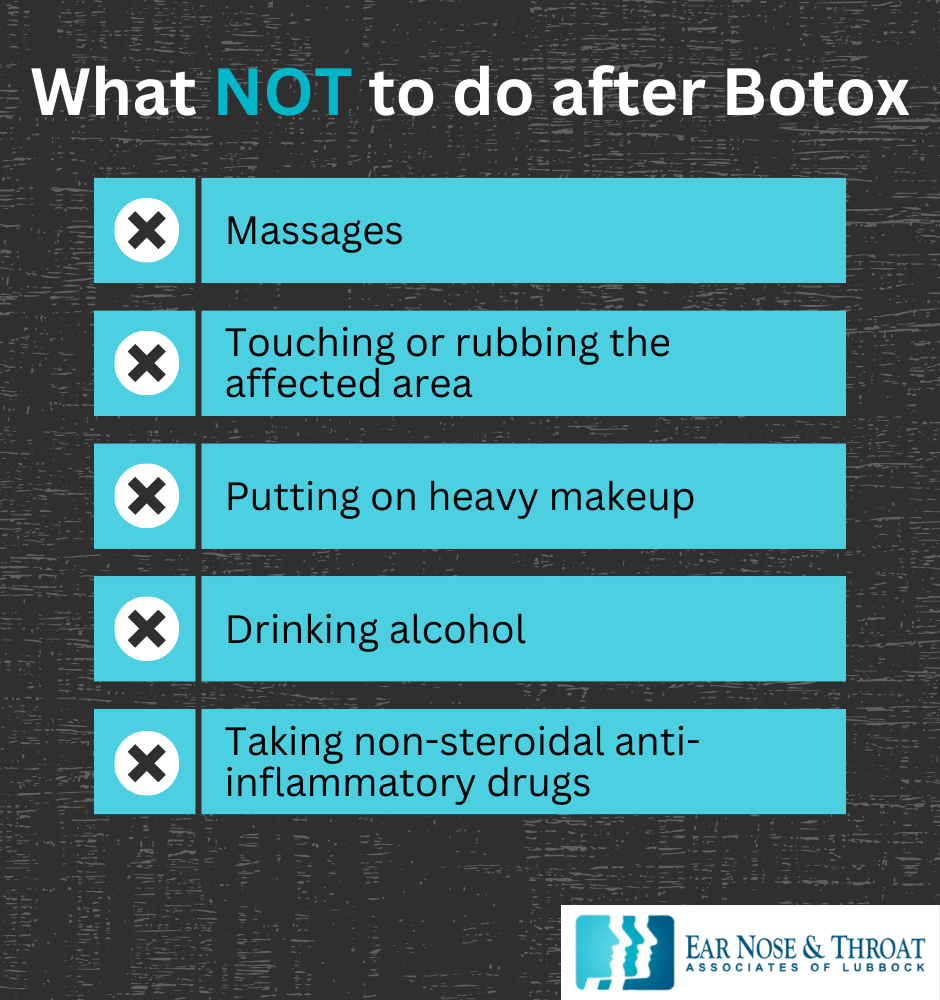
Image Source: www.entlubbock.com
The Science Behind Post-Botox Activity Restrictions
Botox, a brand name for botulinum toxin type A, works by temporarily blocking nerve signals to muscles. This relaxation of muscles is what smooths out wrinkles and fine lines. When Botox is injected, it’s a liquid that needs time to bind to the nerve receptors at the injection site. This binding process is what ultimately leads to muscle paralysis.
Physical activity after Botox, especially strenuous or high-impact exercise, can increase blood flow and muscle activity. This increased activity could potentially cause the injected Botox to spread to adjacent muscles that were not targeted for treatment. Such migration could lead to unwanted side effects like drooping eyelids (ptosis) or uneven muscle relaxation. For example, if you receive Botox in your forehead to treat frown lines, excessive facial movements during exercise could theoretically spread the neurotoxin to the muscles that control your eyebrows or eyelids.
When Can I Work Out After Botox? The Crucial Waiting Period
The most widely recommended waiting period before resuming strenuous activity after Botox is 24 hours. However, many practitioners suggest extending this to 48 hours, and some even recommend up to 72 hours for more intense workouts or treatments in sensitive areas.
Here’s a breakdown of what’s generally considered safe and what to avoid:
Initial 24-48 Hours: The Gentle Phase
During the first 24 to 48 hours following your Botox injections, your primary goal is to minimize any activity that could potentially affect the settled Botox.
-
What to Avoid:
- Intense Cardio: Running, cycling at a high intensity, HIIT workouts, jumping jacks.
- Heavy Weightlifting: Exercises that involve significant straining or holding your breath.
- Hot Yoga or Saunas: The heat can increase blood flow and potentially affect the treatment.
- Massage or Facial Treatments: Avoid any manipulation of the treated areas.
- Lying Down Immediately: Some practitioners advise against lying down flat for several hours post-injection to prevent the Botox from migrating due to gravity.
-
What is Generally Permitted:
- Light Walking: Gentle strolls are usually fine and can even promote circulation without stressing the injected muscles.
- Gentle Stretching: Light, non-strenuous stretching can be beneficial.
- Everyday Activities: Normal daily routines are typically acceptable.
48-72 Hours: Gradual Resumption
After the initial 48-hour window, you can generally start to gradually reintroduce more physical activity. However, it’s still wise to be cautious.
- What to Consider:
- Light to Moderate Cardio: You might be able to resume activities like jogging at a comfortable pace, cycling on a stationary bike, or using the elliptical.
- Moderate Weight Training: Focus on lighter weights and higher repetitions, avoiding exercises that cause significant facial expressions or straining.
- Yoga and Pilates: Opt for less intense styles. Avoid inversions or poses that put pressure on the head or face.
After 72 Hours: Full Resumption
By the 72-hour mark, most people can safely return to their regular exercise routines without significant concern. However, it’s always best to listen to your body and your practitioner’s specific advice.
Botox Exercise Guidelines: Key Considerations for Safe Activity
Adhering to Botox exercise guidelines is paramount for ensuring you get the desired results. Here are some key factors to keep in mind:
1. Location of Injections Matters
The area where you received Botox injections can influence how long you need to wait before exercising.
- Forehead and Glabella (Between the Eyebrows): These areas are particularly sensitive to facial movements. Any activity that involves significant facial expressions or leaning forward could affect the results.
- Around the Eyes (Crow’s Feet): Similar to the forehead, excessive squinting or facial contortions should be avoided.
- Jawline or Chin (for TMJ or Jaw Slimming): Intense jaw clenching or chewing motions during exercise might need to be monitored.
- Neck (for Platysmal Bands): Certain neck movements during exercise might be best avoided initially.
2. Type of Exercise
The intensity and nature of your workout play a significant role in the recommended downtime.
| Exercise Type | Recommended Waiting Period Before Resuming | Specific Precautions |
|---|---|---|
| Light Walking | 0-12 hours | Generally safe, good for circulation. |
| Gentle Yoga | 24 hours | Avoid inversions or poses that put pressure on the face/head. |
| Stretching | 24 hours | Focus on gentle movements. |
| Jogging/Light Run | 24-48 hours | Avoid forceful exhalations or facial expressions. |
| Cycling (Moderate) | 24-48 hours | Maintain a relaxed facial expression. |
| Weight Training (Light) | 48 hours | Use lighter weights, focus on form, avoid straining. |
| Swimming | 48 hours | Avoid submerging your face or excessive splashing, which can stimulate facial muscles. |
| HIIT/Intense Cardio | 48-72 hours | Allow ample time for the Botox to settle completely. |
| Heavy Weightlifting | 48-72 hours | Avoid holding your breath (Valsalva maneuver) and significant facial straining. |
| Hot Yoga/Saunas | 48-72 hours | Heat can affect blood flow and potentially the Botox. |
| Contact Sports | 72 hours+ (or until fully recovered) | High risk of facial impact or excessive muscle exertion. |
3. Your Body’s Response
Everyone’s body reacts differently to Botox. Some individuals may be more sensitive to movement and blood flow changes than others. Pay attention to how your body feels. If you notice any unusual sensations, discomfort, or asymmetry after resuming physical activity after Botox, consult your provider.
Resuming Exercise Post-Botox: A Gradual Approach
The key to safely resuming your fitness routine after Botox is a gradual approach. Don’t jump back into your most intense workouts immediately. Ease back into it.
1. Listen to Your Body
This is the most crucial piece of exercise advice after Botox injections. If something feels off, stop. Don’t push through discomfort. It’s better to wait an extra day or two than to compromise your results or experience adverse effects.
2. Hydration is Key
Staying well-hydrated is important for overall health and can aid in the recovery process. Ensure you’re drinking plenty of water throughout the day, especially before and after your initial return to exercise.
3. Avoid Excessive Heat Exposure
As mentioned, saunas, steam rooms, and very hot yoga classes can increase blood flow and potentially affect the Botox. It’s best to avoid these until at least 48-72 hours post-treatment.
4. Be Mindful of Facial Movements
Even after the initial waiting period, be conscious of how your face moves during exercise. Try to avoid excessive squinting, frowning, or other exaggerated facial expressions that could theoretically influence the settled Botox.
Frequently Asked Questions (FAQ)
Q: How long is it safe to exercise after Botox?
A: Generally, it’s recommended to wait at least 24-48 hours before resuming moderate to strenuous physical activity after Botox. Some practitioners suggest up to 72 hours for intense workouts.
Q: Can I go for a walk after Botox?
A: Yes, light walking is typically considered safe after Botox injections, often permissible within a few hours of the treatment.
Q: Is it okay to do yoga after Botox?
A: It’s best to avoid strenuous yoga, especially inversions or poses that put pressure on the head, for at least 24-48 hours. Gentle stretching is usually fine sooner.
Q: What if I accidentally exercised too soon after Botox?
A: If you exercised sooner than recommended, monitor yourself for any asymmetry or unintended side effects. If you notice any concerns, contact your Botox provider. In most cases, a slight deviation from the Botox exercise guidelines might not cause significant issues, but it’s always better to err on the side of caution.
Q: How long until I see the full results of my Botox?
A: Full results typically appear within 7-14 days after the injections. The waiting period for exercise is designed to help achieve these optimal results.
Q: Can I use a sauna after Botox?
A: It’s advised to avoid saunas and steam rooms for at least 48-72 hours after Botox injections, as heat can increase blood flow and potentially affect the treatment.
Q: What are the risks of exercising too soon after Botox?
A: The primary risks include the potential migration of Botox to unintended muscles, leading to asymmetry or drooping, and reduced longevity of the treatment.
Q: Do I need to avoid facials or massages after Botox?
A: Yes, it is important to avoid any facial massages, microdermabrasion, or other facial treatments for at least 24-48 hours after Botox injections to prevent displacement of the neurotoxin.
Q: Can I sweat after Botox?
A: While you can sweat, engaging in activities that cause excessive sweating and flushing immediately after injections should be avoided for the first 24-48 hours, as it can potentially impact the settling of the Botox.
Q: Is there a difference in waiting times for different parts of the face?
A: While the general recommendation of 24-48 hours for strenuous activity applies broadly, areas with more dynamic muscle movement, like the forehead, might warrant slightly more caution with facial expressions during exercise.
By adhering to these safe post-Botox activity recommendations and listening to your body, you can ensure that your Botox treatment delivers the smooth, refreshed results you desire, allowing you to safely return to your fitness journey with confidence. Always consult with your certified Botox provider for personalized advice tailored to your specific treatment and health profile.