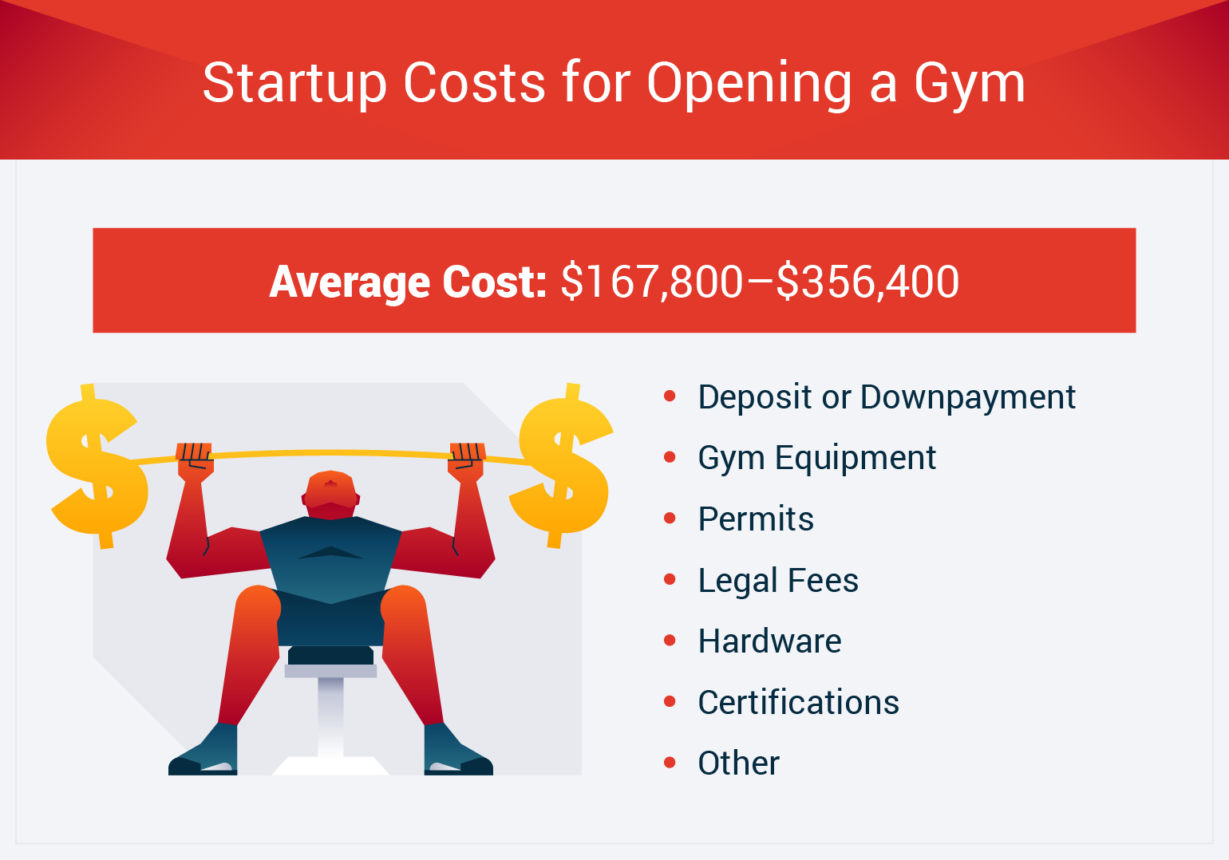
Image Source: gymdesk.com
How much does it cost to build a gymnasium: A breakdown
How much does it cost to build a gymnasium? Building a gymnasium can cost anywhere from $100 to $400 or more per square foot, depending on many things. A small, basic gym might cost around $1 million, while a large, complex sports hall could easily cost $10 million or much more. This wide range shows that the final price tag depends heavily on what you need and want in your gym. We will break down the cost to build a gymnasium so you know what to expect.
Figuring Out the Cost of Building a Gymnasium
Knowing how much it costs to build a gymnasium is not a simple answer. Many different things come into play. Think of it like building a house – a simple small house costs less than a big custom mansion. A gym is similar. Let’s look at the main areas where money is spent when you build a gym.
Major Areas Where Money Goes
Building a gym involves many steps and materials. Here are the big parts of the cost breakdown building gymnasium projects face:
- Planning and Design: This is the start. You need plans drawn up.
- Getting the Land Ready: Making the ground flat and ready to build on.
- Building the Main Part: Putting up the walls, roof, and structure.
- Inside Work: Making the inside look good and work right (floors, walls, lights, water).
- Special Stuff: Things like sports floors, bleachers, and scoreboards.
- Gym Gear: All the weights, machines, and balls.
- Official Papers: Paying for permits and inspections.
- Extra Money: Having money put aside for surprises.
We will look closer at each of these parts.
What Drives Gymnasium Construction Cost Factors?
Many things change the final price when you build a gym. These are the gymnasium construction cost factors. Knowing these helps you guess how much your project might cost.
Size and Scale Matter
How big will the gym be? A small gym for a community group costs much less than a huge sports hall for a big school or a pro training center. The total square footage is a key factor in the gymnasium building cost per square foot. More space needs more materials, more labor, and bigger systems for heating and cooling.
- Small Gym: Might be just one main court area and maybe a small weight room.
- Medium Gym: Could have one main court, locker rooms, offices, and some extra space.
- Large Sports Hall: Often includes multiple courts, seating for many people, dedicated weight rooms, cardio areas, classrooms, and large locker rooms.
Where You Build It
The location changes the cost a lot.
- Land Cost: Is the land already owned, or do you need to buy it? Land prices are very different depending on the area.
- Local Building Costs: How much do workers charge in your area? How much do materials cost there? Costs are higher in big cities than in small towns.
- Site Conditions: Is the land flat and easy to build on? Or is it rocky, sloped, or wet? Fixing difficult land adds a lot to the cost.
How It Looks and What It’s Made Of
The style and materials you choose make a big difference.
- Simple vs. Fancy: A basic metal building is cheaper than a custom design with special shapes or expensive finishes.
- Materials: What are the walls made of? What kind of roof? Steel building gymnasium cost can be lower for the structure part compared to concrete or wood for large clear spans, which is why steel is popular for gyms.
- Inside Look: Simple painted walls and basic floors cost less than special wall coverings, wood floors, or high-end finishes.
What Goes Inside the Building
The internal parts add up.
- Heating, Cooling, Air (HVAC): Keeping a large space warm or cool needs big systems. How complex these systems are changes the price.
- Lights: Simple lights cost less than special sports lighting needed for TV broadcasts or high-level play.
- Plumbing and Bathrooms: The number and type of bathrooms and locker rooms affect costs.
- Flooring: A basic gym floor is one price, a special sprung wood floor for basketball is another, and rubber flooring for weights is different too.
Special Sports Stuff
Gyms need specific things for sports.
- Sports Floor: The type of court surface (wood, vinyl, synthetic) is a big cost.
- Bleachers: How many seats do you need? Are they simple benches or fancy retractable ones?
- Scoreboards and Sound Systems: Simple systems cost less than large video boards and professional sound.
- Special Rooms: Rooms for training, first aid, or classrooms add cost.
Permits and Paperwork
Getting permission to build costs money. There are fees for building permits, inspections, and making sure the building meets all the rules and safety codes. These costs vary by location.
Time of Year and How Busy Builders Are
Sometimes, building costs are higher if you build during a very busy time for construction companies or if you need the work done very quickly.
Breaking Down the Building Costs
Let’s look closer at the cost breakdown building gymnasium projects have. Remember, these are general ideas, and real costs will vary a lot. This gives you a picture of where the money goes in a sports hall construction estimate.
1. Plans and Permits (Roughly 5-15% of Total Cost)
- Architects and Engineers: You need professionals to design the building and make sure it’s strong and safe. This includes drawing the plans, figuring out the structure, and designing the mechanical and electrical systems. Fees depend on the project size and complexity.
- Surveys and Site Tests: Checking the land to see if it can hold the building, testing the soil, and mapping the area.
- Permit Fees: Money paid to the local government to get permission to build.
2. Site Work and Foundation (Roughly 10-20% of Total Cost)
- Clearing the Land: Removing trees, rocks, or old buildings.
- Leveling the Ground: Making the site flat and ready.
- Bringing in Utilities: Connecting water, sewer, electricity, and gas lines to the building.
- Digging and Pouring the Foundation: This is the base of the building. It needs to be strong to hold up the gym, especially the heavy roof. The cost depends on the soil type and building size.
- Parking and Driveways: Building roads and parking spots around the gym.
3. Structure and Building Shell (Roughly 25-40% of Total Cost)
- The Main Frame: This is the skeleton of the building. For a gym, this is often steel (steel building gymnasium cost). Steel is good because it can make a big open space without lots of support poles getting in the way of the court. Concrete and other materials are also used.
- Walls: Putting up the outside walls. Materials can be metal panels, concrete blocks, brick, or other options. The choice affects cost and how the building looks.
- Roof: Installing the roof structure and covering it to keep water out. A large gym roof is a major part of the cost.
- Exterior Doors and Windows: Putting in entry doors, emergency exits, and any windows.
4. Inside Finishing (Roughly 20-35% of Total Cost)
- Wall Finishing: Putting up drywall, painting, or adding other wall coverings inside.
- Ceilings: Installing ceilings, which often include sound-absorbing materials in a gym.
- Flooring (General Areas): Flooring for lobbies, hallways, offices, and locker rooms (tile, carpet, vinyl).
- Restrooms and Locker Rooms: Installing toilets, sinks, showers, and lockers. This includes a lot of plumbing work.
- Lighting: Putting in all the lights throughout the building.
- HVAC Systems: Installing the heating, ventilation, and air conditioning units and ducts. This is a big job in a large building.
- Plumbing: Running pipes for water and drainage to all sinks, toilets, and showers.
- Electrical: Putting in all the wiring, outlets, and electrical panels.
- Fire Safety: Installing fire alarms, sprinklers, and exit signs.
5. Specialty Sports Features (Roughly 5-15% of Total Cost)
- Sports Flooring: The specific floor for the court area. A wood basketball floor is a significant cost.
- Bleachers/Seating: Buying and installing seats for people to watch games.
- Scoreboards and Timers: Electronic displays for keeping score.
- Basketball Hoops, Volleyball Nets, etc.: Installing the actual sports equipment that is fixed to the building.
- Special Wall Padding: Adding protection on walls behind baskets or in key areas.
6. Equipment (Separate Budget, but Necessary)
This is the gym equipment cost for new building projects. While not part of the building structure, it’s a huge part of getting the gym ready to open. This includes:
- Weight machines
- Free weights (dumbbells, barbells)
- Cardio machines (treadmills, bikes, ellipticals)
- Mats
- Balls and other sports gear
- Fitness accessories
Equipment costs vary wildly based on quality (commercial grade is expensive) and how much you need. This could be anywhere from $50,000 for a basic setup to $500,000+ for a large commercial gym with many specialized machines.
7. Contingency (Very Important! Roughly 10-20% of Total Cost)
- This is money you set aside for unexpected problems or changes during building. Things always come up – site conditions are worse than expected, materials are delayed, or you decide to add something small. Having this fund is crucial for budgeting for gym construction and avoiding major stress or stopping the project.
Cost Estimates Per Square Foot
Looking at the gymnasium building cost per square foot is a common way to compare projects, but remember it’s just an average. A simple “box” gym will have a lower cost per square foot than a complex one with high-end finishes and lots of unique features.
Here are some very rough ranges for the cost per square foot:
| Gym Type | Cost Range Per Square Foot |
|---|---|
| Basic Box Gym | $100 – $150 |
| Standard School or Community Gym | $150 – $250 |
| Higher-End or Larger Community Gym | $250 – $350 |
| Premium Commercial or College Gym | $350 – $400+ |
So, if you plan a 10,000 square foot standard school gym, the building cost (not including land or equipment) might be in the range of $1.5 million to $2.5 million. A 20,000 square foot large sports hall could easily be $5 million or more.
These figures are for the construction itself. They do not include buying land, which can add a lot, or the cost of the gym equipment for new building.
Cost to Build Different Types of Gyms
The function of the gym changes the cost structure. Let’s look at the cost to build a school gym, a community gym building cost, and a commercial gym construction cost.
Cost to Build a School Gym
School gyms often focus on function, safety, and durability. They need space for physical education classes, school sports practices, and games.
- Priorities: Court space, safety features (wall padding), basic bleachers, durable finishes, functional locker rooms.
- Likely Features: One or two main courts, possibly divisible by a curtain, basic wood or synthetic flooring, simple scoreboards, standard lighting, simple HVAC.
- Cost Drivers: Size (number of students/teams), required seating capacity, quality of sports floor.
- Likely Cost Per Sq Ft: Falls into the lower to middle range ($150 – $250), but can go higher for larger or more feature-rich facilities with more seating.
Community Gym Building Cost
Community gyms often serve a wider range of activities – not just sports, but also fitness classes, walking tracks, social events, and sometimes health services.
- Priorities: Multi-purpose spaces, accessibility for all ages and abilities, good public areas (lobby, restrooms), potentially varied flooring types, perhaps a walking track or smaller fitness rooms.
- Likely Features: Main court area, often synthetic flooring for versatility, maybe a smaller court or multi-purpose room, fitness area, meeting rooms, larger or more comfortable public spaces, easy access.
- Cost Drivers: How many different things it needs to do, level of finish in public areas, accessibility features (ramps, special restrooms), adding things like indoor tracks or pools (which increase cost significantly).
- Likely Cost Per Sq Ft: Often in the middle range ($200 – $300), reflecting the need for more varied spaces and potentially higher quality finishes in public areas than a basic school gym.
Commercial Gym Construction Cost
Commercial gyms are built to attract paying members. They need to look good, offer a wide variety of equipment, and have comfortable amenities.
- Priorities: Aesthetics, wide range of equipment types, comfortable locker rooms, often includes specialized areas (spin studio, yoga room, cardio area, weight lifting area), welcoming lobby/reception.
- Likely Features: Potentially no large main court (unless specialized like a crossfit gym), dedicated areas for different activities, high-end equipment, nicer finishes, potentially saunas, steam rooms, cafes, retail space.
- Cost Drivers: Amount and quality of equipment, level of interior finish (can be quite high-end), size and luxury of locker rooms, adding extra features like pools or climbing walls, brand standards if part of a chain.
- Likely Cost Per Sq Ft: Varies hugely based on the concept. A basic fitness center might be $150-$200 per sq ft, while a high-end health club could be $300-$400+ per sq ft, not including the very high gym equipment cost for new building.
Steel Building Gymnasium Cost
Many gyms, especially school and community sports halls, use steel for the main structure. This is because steel offers some big benefits that can affect the steel building gymnasium cost positively.
Why Steel is Popular for Gyms
- Large Open Spaces: Steel beams and frames can span very long distances without needing support columns in the middle. This is perfect for creating a clear, open court area.
- Cost-Effective: For large, simple structures, steel is often cheaper than using concrete or traditional wood framing.
- Faster to Build: Pre-fabricated steel parts can be made in a factory and then put together quickly on site, saving time and labor costs.
- Durable: Steel is strong and lasts a long time.
What Affects Steel Gym Cost?
Even within steel buildings, costs change.
- Size and Height: Taller and wider buildings need stronger, more expensive steel frames.
- Complexity: A simple rectangle is cheapest. Buildings with complex shapes or many different roof levels cost more.
- Weight of the Frame: How much steel is needed? This depends on the size, roof type, and local building code requirements (like needing to withstand heavy snow or high winds).
- Finish: A basic metal shell is cheaper than adding brick facades or other exterior finishes.
The cost of the steel structure itself is just one part of the total steel building gymnasium cost. You still have all the other costs: foundation, site work, interior finishing, HVAC, plumbing, etc. But using steel for the frame can be a good way to keep the overall building cost down, especially for the main sports hall area.
Cost of Gym Equipment for New Building
The cost of gym equipment for new building projects is a separate big expense from the building itself. It’s like buying furniture and appliances for a new house. You need to budget for it carefully.
Types of Equipment and Costs
- Cardio Machines: Treadmills, ellipticals, bikes. Commercial-grade machines are built to be used constantly and cost $3,000 to $10,000+ each.
- Strength Machines: Weight stacks, cable machines. These also need to be durable and can cost $2,000 to $7,000+ per station.
- Free Weights: Dumbbells, barbells, weight plates, racks. Costs vary by weight and type, but outfitting a free weight area can cost tens of thousands of dollars.
- Benches and Racks: Benches, squat racks, power racks. These are essential and range from a few hundred to a few thousand dollars each.
- Accessories: Mats, resistance bands, stability balls, foam rollers, smaller items. These add up but are less expensive individually.
- Sports Gear: Basketballs, volleyballs, nets, mats for gymnastics or wrestling (if applicable).
New vs. Used Equipment
You can save money by buying used commercial-grade equipment. However, check its condition carefully and consider warranties. For a brand-new building, many owners prefer new equipment for looks, warranty, and reliability.
Budgeting for Equipment
Plan your equipment budget based on:
- The type of gym (school, community, commercial).
- How many people will use it at peak times.
- The specific programs you will offer (e.g., needing many squat racks for a strength focus).
- The desired quality level (basic vs. high-end).
A starting budget for a small school or community gym might be $50,000 to $100,000 for basic equipment. A large commercial gym with diverse offerings could easily spend $300,000 to over $1 million on equipment alone. This is a crucial part of the overall cost breakdown building gymnasium projects must consider.
Budgeting for Gym Construction: Practical Tips
Planning your money is key to building a gym without running into major problems. Here are some tips for budgeting for gym construction.
Get Real Estimates Early
Don’t rely on rough guesses from the internet (like this post!). Talk to:
- Architects: They can give you initial ideas on design costs.
- Contractors: They can provide sports hall construction estimate based on similar projects and current building prices. Get quotes from several contractors.
- Gym Equipment Suppliers: Get detailed lists and prices for the gear you need (gym equipment cost for new building).
Prioritize Needs vs. Wants
Decide what you absolutely must have and what would be nice but can be cut if the budget gets tight. A functional gym floor and safe structure are needs. High-end finishes in every room might be wants.
Have a Contingency Fund
As mentioned, this is super important. Aim for 15-20% of the total project cost set aside. This handles the surprises. Do not skip this step in your cost breakdown building gymnasium plan.
Consider Phased Building
Can you build the main gym now and add things like extra rooms, fancy finishes, or more equipment later as funds become available? This can help spread out the cost.
Look at Long-Term Costs
Building cost is one thing, but also think about:
- Energy Costs: Good insulation and efficient HVAC save money over time.
- Maintenance: Some materials are easier and cheaper to maintain than others.
- Staffing: Will you need more staff for a bigger or more complex gym?
Don’t Cut Corners on Important Stuff
Saving money on the foundation or structure might seem smart but can lead to huge problems and costs later. Prioritize safety and the core building elements.
Comparing the Cost
Let’s put some of the ideas together with example sizes to show the range of cost to build a gymnasium. These are very rough numbers for the building itself, not including land or most equipment.
| Gym Type | Size (Sq Ft) | Rough Cost Per Sq Ft | Estimated Building Cost Range |
|---|---|---|---|
| Small Basic Gym | 5,000 | $100 – $150 | $500,000 – $750,000 |
| Standard School Gym | 10,000 | $150 – $250 | $1,500,000 – $2,500,000 |
| Medium Community Gym | 15,000 | $200 – $300 | $3,000,000 – $4,500,000 |
| Large Sports Hall/Complex | 25,000+ | $250 – $400+ | $6,250,000 – $10,000,000+ |
Remember, add costs for land, permits, and significant gym equipment cost for new building on top of these numbers.
Sports Hall vs. Gymnasium: Is There a Cost Difference?
Often, the terms “sports hall” and “gymnasium” are used for the same kind of building – a large indoor space for sports and activities. A “sports hall construction estimate” is usually the same thing as a gymnasium cost estimate.
Sometimes, “sports hall” might suggest a larger, more multi-purpose facility with seating for spectators, perhaps more like the “Large Sports Hall/Complex” example above. A “gymnasium” might sometimes refer to a smaller, more basic space focused mainly on the court area, like a school gym.
However, the real cost difference comes not from the name, but from the size, features, location, and quality of materials, which are the key gymnasium construction cost factors. The cost breakdown building gymnasium will be very similar whether you call it a gym or a sports hall.
Conclusion: Getting Your Estimate
So, how much does it cost to build a gymnasium? As you’ve seen, there’s no single price. It’s a complex question with many moving parts.
The cost is made up of planning, site work, the building shell (like a steel building gymnasium cost), interior finishes, specialty sports items, and equipment (gym equipment cost for new building). Many things like size, location, design, and materials change the final price. Budgeting for gym construction needs careful planning, getting real estimates, and having money set aside for the unexpected.
Whether you’re planning a small community space or a large sports hall, getting a detailed sports hall construction estimate from professionals (architects, contractors) is the only way to know the real cost for your specific project. They can give you a true cost breakdown building gymnasium plans will follow. Start by figuring out exactly what you need your gym to do, how big it needs to be, and where it will be located.
Frequently Asked Questions (FAQ)
h4 Does using a steel building make a gym cheaper?
Yes, often the steel building gymnasium cost for the main structure is lower than other methods for creating large, open spaces needed in gyms. Steel is cost-effective and quicker to build, which can save money on labor time. However, it’s only one part of the total cost.
h4 How long does it take to build a gymnasium?
Building a gym can take anywhere from 9 months to 18 months or more, depending on the size, complexity, site conditions, and how busy construction crews are. Simple pre-engineered steel buildings can be faster than complex custom designs.
h4 What is the biggest cost when building a gym?
The biggest costs are usually the structure and building shell (materials and labor for walls, roof, frame) and the interior finishes (HVAC, electrical, plumbing, interior walls, and flooring, especially the special sports floor). These make up a large part of the cost breakdown building gymnasium projects involve.
h4 Do I need an architect to build a gym?
Yes, for a building of this size and complexity, you will definitely need a licensed architect and engineers. They design the building to meet codes, ensure it’s safe and functional, and create the plans needed for permits and construction.
h4 Should I buy new or used gym equipment?
Buying used commercial-grade equipment can save a lot on the gym equipment cost for new building. However, new equipment comes with warranties and is generally more reliable initially. The choice depends on your budget, tolerance for maintenance, and desired look.