So, you’re wondering, “How much is a gymnastics mat?” The cost of a gymnastics mat can range widely, typically from around $30 for a small, basic mat for home use to over $1,000 for professional-grade, competition-ready apparatus. Several factors influence the gymnastics mat price, including size, thickness, material, brand, and intended use.
Investing in the right gymnastics mat is crucial for safety, performance, and progression in this dynamic sport. Whether you’re a parent setting up a safe play area at home, a coach equipping a new gym, or a seasoned gymnast looking for that perfect tumbling surface, knowing what affects the gymnastics mat cost is key to making an informed purchase. This comprehensive guide will delve into the various aspects that determine the gymnastics mat pricing, helping you navigate the options and find the best value for your needs. We’ll explore different types of mats, material considerations, and how these elements translate into the overall gymnastics mat cost.
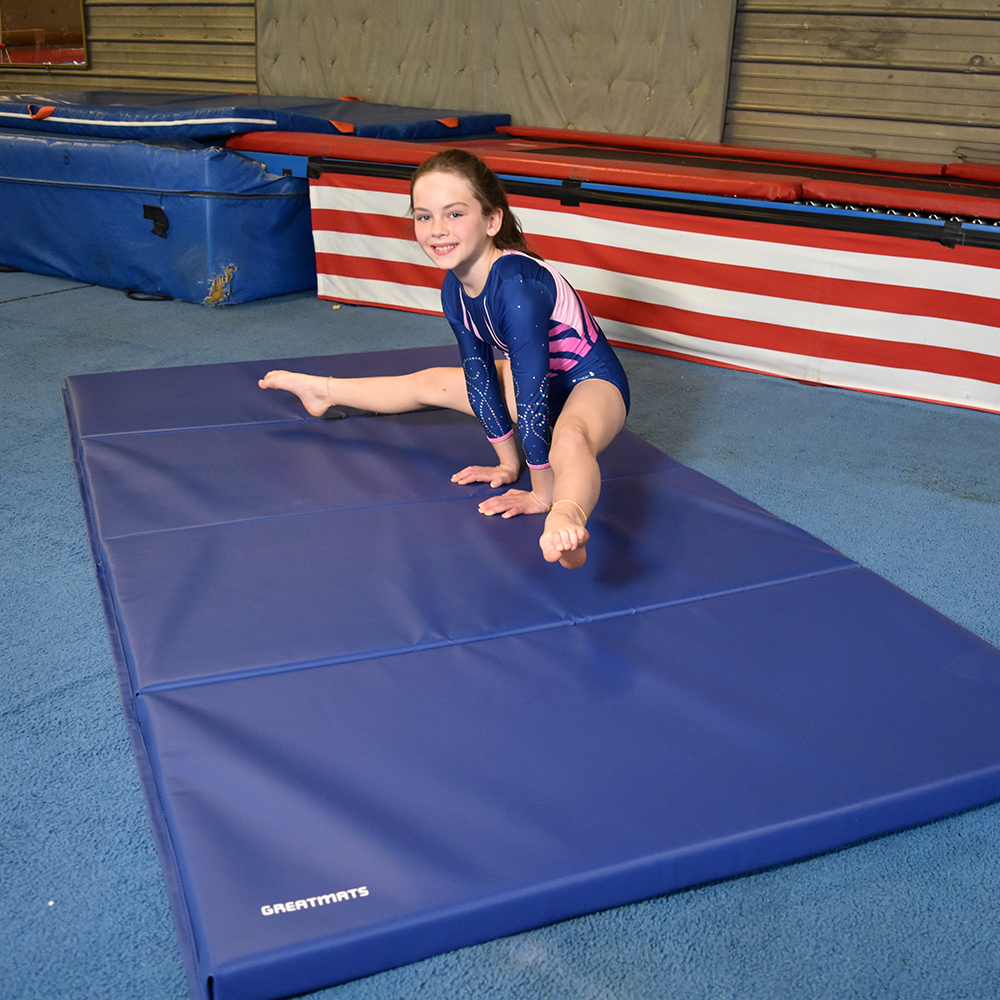
Image Source: www.greatmats.com
Decoding Gymnastics Mat Pricing Factors
The gymnastics mat price is not a one-size-fits-all figure. Numerous elements contribute to the final cost, making it essential to understand these variables before you start shopping for a gymnastics mat for sale.
Size Matters for Gymnastics Mat Cost
One of the most significant drivers of gymnastics mat pricing is its size. Larger mats require more raw materials and a more extensive manufacturing process, directly impacting the cost of a gymnastics mat.
- Small Mats: These are typically designed for basic tumbling, stretching, or as landing mats for very low-impact skills. Think of mats for toddlers or very young children starting out. They might be around 2-3 feet by 4-6 feet.
- Medium Mats: These are more versatile and suitable for home practice of basic tumbling passes, drills, or as supplemental landing mats. They could range from 4-5 feet by 8-10 feet.
- Large Mats: These are often referred to as “floor exercise mats” or “tumbling mats” and are designed for more advanced tumbling and floor routines. They can be quite large, sometimes 12 feet by 24 feet or even larger, especially for professional settings.
Table 1: Typical Size Ranges and Price Indicators
| Mat Size Category | Approximate Dimensions (feet) | Typical Price Range (USD) |
|---|---|---|
| Small | 2×4 to 4×6 | $30 – $100 |
| Medium | 4×8 to 5×10 | $100 – $300 |
| Large (Home/Gym) | 6×12 to 8×24 | $300 – $800 |
| Professional/Comp | 12×24+ (often modular) | $800 – $1,500+ |
Thickness and Its Impact on Gymnastics Mat Cost
The thickness of a gymnastics mat is crucial for shock absorption and injury prevention. A thicker mat generally offers better cushioning, which translates to a higher gymnastics mat cost.
- Thin Mats (1-2 inches): These are often used for stretching, yoga, or low-impact exercises. They provide minimal cushioning and are less expensive.
- Medium Thickness Mats (2-4 inches): These are common for general tumbling and gymnastics practice at home or in recreational settings. They offer a good balance of cushioning and responsiveness.
- Thick Mats (4-8 inches): These are typically found in gymnastics facilities for high-impact tumbling and advanced skills. They provide superior shock absorption and are essential for protecting athletes from serious injuries. The floor exercise mat price for these thicker, competition-grade mats will be significantly higher.
Material Composition: The Foundation of Gymnastics Mat Pricing
The materials used in the construction of a gymnastics mat directly influence its durability, safety, and, consequently, its gymnastics mat price.
Core Materials (The Stuffing)
The inside of a gymnastics mat is typically made from one or a combination of these materials:
- Polyethylene Foam: This is a closed-cell foam that is lightweight, durable, and offers good shock absorption. It’s a common choice for many types of mats.
- Cross-linked Polyethylene Foam (XPE): This type of foam is more dense and resilient than standard polyethylene foam. It provides superior shock absorption and is often found in higher-end tumbling mats. The cost of a gymnastics mat made with XPE will be higher due to its enhanced properties.
- EVA Foam (Ethylene-Vinyl Acetate): Often used in puzzle mats or thinner mats, EVA foam is lightweight and provides decent cushioning. It’s generally less durable than polyethylene and typically found in lower-priced options.
- Reinforced Foam: Some higher-quality mats may use a combination of different foam densities to provide optimal support and impact protection, particularly in the landing zones.
Cover Materials (The Skin)
The outer surface of the mat is equally important for grip, durability, and hygiene.
- Vinyl (PVC): This is the most common cover material. It’s durable, easy to clean, and provides good grip. High-quality vinyl is tear-resistant and can withstand constant use. The price will vary based on the vinyl’s thickness and texture.
- Carpet (Nylon or Polyester): Some larger tumbling or floor exercise mats feature a carpeted surface, often with a dense pile for good grip. These are typically more expensive due to the added material and manufacturing complexity.
- Neoprene: While less common for large mats, neoprene can be found on some specialized mats for its grip and flexibility.
Durability and Longevity: Investing in the Future
A well-made gymnastics mat is an investment. Mats constructed with higher-density foams and robust cover materials will last longer, even with rigorous use. This means the initial gymnastics mat price might be higher, but the long-term value is greater. Cheaper mats might degrade quickly, requiring replacement sooner, which ultimately costs more. When considering a home gymnastics mat cost, think about how often it will be used and the skill level of the gymnast.
Intended Use: From Home Practice to Professional Competition
The intended purpose of the gymnastics mat significantly dictates its design and, therefore, its gymnastics mat price.
Home Gymnastics Mats
These are generally smaller, lighter, and less expensive. They are designed for basic skills, stretching, and general fitness. The home gymnastics mat cost is usually more budget-friendly, making gymnastics accessible for home practice. They might be 2-4 inches thick and made with standard polyethylene foam and vinyl covers.
Recreational Gymnastics Mats
These are a step up from home mats, offering more durability and better cushioning for regular use in community centers or beginner gymnastics classes. They might be 4-6 inches thick and use higher-density foams.
Competition-Grade Gymnastics Mats
These are the highest quality mats designed for performance and safety at competitive levels. They meet stringent regulations set by gymnastics federations.
- Tumbling Mats: These are long, narrow mats designed for practicing tumbling passes. They often have a more responsive surface to allow for spring. The tumbling mat cost can vary based on length and thickness.
- Floor Exercise Mats: These are large, often modular mats that cover the entire floor exercise area. They are typically thick (4-8 inches) and designed to provide optimal shock absorption for tumbling, leaps, and landings. The floor exercise mat price for these is at the highest end due to their size, complexity, and adherence to competition standards.
- Landing Mats: These are thicker, softer mats used for specific apparatus like the vault or high bar, designed to absorb maximum impact.
The professional gymnastics mat price reflects the advanced engineering, premium materials, and adherence to rigorous safety standards required for competitive environments.
Types of Gymnastics Mats and Their Associated Costs
Let’s break down the common types of gymnastics mats and what you can expect to pay for each.
Folding Mats
These are very popular due to their versatility and ease of storage. They typically fold into 2, 4, or even 8 panels.
- Features: Available in various thicknesses (1.5 inches to 4 inches) and sizes. Made with polyethylene foam and vinyl covers.
- Use: Home practice, drills, martial arts, general fitness.
- Gymnastics Mat Price:
- Small (e.g., 4×6 ft, 1.5 inches thick): $50 – $150
- Medium (e.g., 5×10 ft, 2 inches thick): $150 – $300
- Large (e.g., 6×12 ft, 4 inches thick): $300 – $600
Panel Mats
These are long, narrow mats, often used for tumbling drills. They are usually 4 feet wide and come in lengths from 6 to 12 feet.
- Features: Typically 1.5 to 4 inches thick. Often made with a firmer foam for better rebound and power transfer.
- Use: Tumbling drills, vault training, agility work.
- Gymnastics Mat Price:
- Basic (e.g., 4×8 ft, 1.5 inches thick): $100 – $250
- Intermediate (e.g., 4×12 ft, 2 inches thick): $200 – $400
- Advanced (e.g., 4×12 ft, 4 inches thick, firmer foam): $400 – $700
Skill Mats (Crash Mats and Block Mats)
These are designed for specific skill training and safety.
- Crash Mats: These are very thick (12-24 inches or more) and soft mats used for safely practicing dismounts or high-risk skills.
-
Block Mats: These are firm, rectangular blocks of foam used to build up surfaces or create obstacles for training.
-
Use: High-level skill training, dismounts, strength and conditioning.
- Gymnastics Mat Price: These can be quite expensive due to their size and density.
- Small Crash Mat (e.g., 4x8x12 inches): $200 – $500
- Large Crash Mat (e.g., 6x8x24 inches): $500 – $1,000+
- Block Mats: Vary widely based on size and density, from $50 to $300 each.
Incline Mats (Cheese Mats)
These wedge-shaped mats are essential for developing fundamental skills.
- Features: Typically made of firm foam with a durable vinyl cover. Available in various lengths and heights.
- Use: Backward rolls, handstands, bridges, cartwheels, developing body awareness and strength.
- Gymnastics Mat Price:
- Small (e.g., 24x16x12 inches): $75 – $150
- Medium (e.g., 48x24x16 inches): $150 – $300
Spring Floor Mats (Competition Floor Mats)
These are the largest and most complex mats, designed to cover an entire competition floor. They often consist of a sub-floor structure with a sprung surface and a carpeted mat top.
- Features: Engineered for optimal spring, shock absorption, and uniform performance. Meet FIG (International Gymnastics Federation) standards.
- Use: Official gymnastics competitions, high-level training facilities.
- Professional Gymnastics Mat Price: This is where the gymnastics mat price reaches its peak. A full competition floor can cost tens of thousands of dollars. Individual sections or smaller competition-style floor mats (e.g., 12×12 ft or 12×24 ft) designed for practice can range from $1,000 to $3,000+.
Puzzle Mats (Interlocking Mats)
These are often used for home gyms, martial arts, or play areas. They interlock like puzzle pieces.
- Features: Usually made of EVA foam. Available in various thicknesses (typically 1/2 inch to 2 inches). Offer a cushioned surface.
- Use: Home gyms, kids’ play areas, MMA training, cross-training.
- Gymnastics Mat Price:
- Thin (1/2 inch): $15 – $30 per tile (often sold in packs)
- Thicker (1-2 inches): $30 – $60 per tile
While these can be used for very basic home gymnastics, they lack the impact absorption and stability of true gymnastics mats for more advanced skills.
Where to Buy and How It Affects Price
The source from which you purchase your gymnastics mat can also influence the cost of a gymnastics mat.
Specialty Gymnastics Retailers
- Pros: Offer high-quality, specialized mats often used in gyms. Knowledgeable staff can provide guidance. Products meet safety and performance standards.
- Cons: Can be more expensive due to overhead and brand reputation.
- Price Indicator: Generally at the higher end of the spectrum.
Online Retailers (Amazon, Specialty E-commerce sites)
- Pros: Wide selection, competitive pricing, customer reviews to help with purchasing decisions.
- Cons: It can be difficult to assess quality without seeing the mat in person. Shipping costs can be significant for large mats.
- Price Indicator: Can range from budget-friendly to premium, depending on the brand and seller.
Sporting Goods Stores
- Pros: Convenient to visit, sometimes have sales.
- Cons: Selection might be limited to more general fitness mats rather than specialized gymnastics gear.
- Price Indicator: Moderate.
Used Market (Gymnastics Gyms, Online Marketplaces)
- Pros: Can find significant savings on professional-grade mats.
- Cons: Wear and tear can be substantial. The foam’s integrity might be compromised. Hygiene needs to be a concern.
- Price Indicator: Can be 30-70% less than new, but requires careful inspection.
When searching for a gymnastics mat for sale, comparing prices across different retailers is crucial. Look for sales events or discount codes, especially during holiday seasons.
Factors That Drive Up the Professional Gymnastics Mat Price
For those looking at high-performance equipment, understanding what constitutes a professional gymnastics mat price is important.
- Certifications: Mats used in official competitions often need to meet stringent standards set by organizations like the FIG or national gymnastics bodies. These certifications require rigorous testing and add to the manufacturing cost.
- Advanced Foam Technology: Cutting-edge foam compositions that offer superior shock absorption, rebound, and durability are expensive to develop and produce.
- Specialized Cover Materials: High-grip, abrasion-resistant, and antimicrobial vinyl or carpet finishes contribute to a higher gymnastics mat cost.
- Precision Manufacturing: Competition mats require precise dimensions and consistent density across the entire surface to ensure fair play and athlete safety.
- Brand Reputation: Established brands known for quality and performance often command higher prices.
Tips for Buying a Gymnastics Mat on a Budget
It’s possible to get a good gymnastics mat without breaking the bank.
- Prioritize Thickness and Density: For home use, a 2-4 inch thick mat made from a decent density foam is usually sufficient. Focus on this before fancy features.
- Consider Folding Mats: They offer good versatility for the price.
- Look for Sales and Discounts: Keep an eye out for seasonal sales or clearance events.
- Buy from Reputable, Mid-Tier Brands: You don’t always need the most expensive brand to get quality.
- Buy Used (with Caution): If you find a used professional mat in good condition, it can be a great deal. Inspect it thoroughly for damage or collapsed foam.
- Start Small: You don’t need a competition-sized floor for home practice. Begin with a smaller folding mat and upgrade as needed.
Frequently Asked Questions About Gymnastics Mat Pricing
Q1: What is the cheapest type of gymnastics mat?
The cheapest types of gymnastics mats are typically thin, interlocking EVA foam puzzle mats. However, these are generally not suitable for serious gymnastics training due to their limited impact absorption and stability. For actual gymnastics, a basic 2-inch thick folding mat is a more affordable, yet functional, option.
Q2: Can I use a yoga mat for gymnastics?
No, a yoga mat is not suitable for gymnastics. Yoga mats are designed for grip and light cushioning on a stable surface and do not offer the necessary shock absorption or thickness to protect against the impact of tumbling and other gymnastics skills.
Q3: Who needs to buy a professional gymnastics mat?
Professional gymnastics mats are typically purchased by competitive gymnastics clubs, training facilities, and organizations hosting official competitions. Athletes training at elite levels who require the most advanced safety and performance features might also invest in high-end practice mats.
Q4: How much does a good home gymnastics mat cost?
A good quality home gymnastics mat, suitable for basic tumbling and drills, typically costs between $100 and $400. This price range usually covers a folding mat of 4 to 6 inches in thickness made with decent polyethylene foam.
Q5: Is it worth buying an expensive gymnastics mat?
Yes, it is generally worth buying a good quality, appropriately thick gymnastics mat, especially if you are serious about practicing or coaching gymnastics. The initial gymnastics mat price is an investment in safety, as it significantly reduces the risk of injuries. A well-made mat will also last longer, providing better value over time compared to cheaper, less durable options.
Q6: What thickness of gymnastics mat is best for home use?
For general home use, especially for children learning basic skills, a mat that is 2 to 4 inches thick is usually recommended. If you have very young children or are just doing light stretching, a 1.5-inch mat might suffice, but for tumbling, thicker is better for safety.
Q7: How do I clean and maintain my gymnastics mat?
Most gymnastics mats can be cleaned with mild soap and water. Wipe down the surface regularly with a damp cloth or a disinfectant spray specifically made for vinyl or foam. Avoid harsh chemicals or abrasive cleaners, as they can damage the material. Ensure the mat is completely dry before folding or storing it to prevent mold and mildew.
By carefully considering these factors, you can confidently navigate the world of gymnastics mats and select the one that best suits your needs and budget, ensuring a safe and enjoyable experience for every gymnast.