Image Source: gymdesk.com
How Much To Open A Gym In Texas: Your Guide to Startup Costs
Can you open a gym in Texas for under $50,000? While possible for a very small, specialized, or online-only fitness business, opening a traditional brick-and-mortar gym in Texas typically requires a significantly larger investment, often ranging from $50,000 to $500,000 or more, depending on size, location, equipment, and services. This guide will break down the key Texas gym startup costs to help you plan your venture.
Fathoming the Financial Landscape: Key Investment Areas
Starting a fitness center in Texas is an exciting prospect, but it demands a clear grasp of the financial commitment. From securing a prime location to outfitting it with cutting-edge equipment, each decision impacts your overall budget. We’ll delve into the essential elements that contribute to your initial investment.
Location, Location, Location: Rent and Renovation Expenses
The cost of real estate is a major factor in Texas gym startup costs. The price of leasing or buying a space will vary dramatically based on the city, neighborhood, and size of the facility.
Leasing Costs
- Security Deposits: Most landlords require a security deposit, often equivalent to one to three months’ rent.
- First Month’s Rent: You’ll pay this upfront.
- Leasehold Improvements: This covers any modifications you make to the leased space to make it suitable for a gym. This can include building out locker rooms, adding specialized flooring, installing sound systems, and improving lighting.
Buying Property
If you plan to purchase a property, your upfront costs will be substantially higher, including down payments, closing costs, and potential mortgage interest.
Renovation and Build-Out
This is where a significant portion of your budget can go. Consider these elements:
- Flooring: Durable, shock-absorbent flooring is crucial for weightlifting areas and cardio zones. Specialty rubber flooring can be expensive.
- Lighting: Good lighting enhances the atmosphere and safety.
- Sound System: Music is a key motivator. Invest in a quality sound system.
- Locker Rooms and Restrooms: These need to be clean, functional, and inviting. This includes showers, benches, lockers, and ventilation.
- Reception Area: A welcoming space for check-in and customer service.
- Mirrors: Essential for form correction and making spaces feel larger.
- Painting and Decor: Creating an appealing brand aesthetic.
Acquiring Top-Tier Texas Gym Equipment Cost
The heart of any gym is its equipment. The Texas gym equipment cost can be one of the largest initial outlays. You’ll need to decide between purchasing new, used, or leasing equipment.
Cardio Equipment
- Treadmills
- Ellipticals
- Stationary bikes (recumbent, upright, spin)
- Rowing machines
- Stair climbers
Strength Training Equipment
- Free Weights: Dumbbells, barbells, weight plates, kettlebells.
- Weight Machines: Leg press, chest press, lat pulldown, cable machines, etc.
- Racks and Cages: Squat racks, power racks, Smith machines.
- Benches: Flat, incline, decline.
Functional Training Equipment
- Resistance bands
- Medicine balls
- Battle ropes
- Kettlebells
- Plyometric boxes
- TRX suspension trainers
Other Essential Equipment
- Mats
- Foam rollers
- Stretching equipment
- Weightlifting belts and gloves
Tip: Consider starting with essential equipment and expanding as your membership grows. Buying used equipment can significantly reduce initial costs for a small gym startup Texas.
Technology and Software: The Digital Backbone
Modern gyms rely on technology for efficient operation.
- Membership Management Software: For tracking members, billing, scheduling, and class bookings.
- Point of Sale (POS) System: For selling merchandise, supplements, or services.
- Security System: Cameras, alarm systems.
- Website and Mobile App: For online presence, class schedules, and member engagement.
- Sound System and AV Equipment: For group fitness classes and general ambiance.
Marketing and Branding: Spreading the Word
To attract members, you need a solid marketing strategy.
- Branding: Logo design, brand colors, overall aesthetic.
- Website Development: Creating a professional and informative online presence.
- Signage: Exterior and interior signage to establish your brand.
- Online Advertising: Social media campaigns, Google Ads.
- Local Marketing: Flyers, partnerships with local businesses.
- Grand Opening Events: Generating initial buzz.
Staffing and Personnel: Your Team
Even a small gym startup Texas will require staff, at least initially.
- Salaries and Wages: For trainers, front desk staff, cleaning crew.
- Trainer Certifications: Ensure your trainers are certified and insured.
- Payroll Taxes and Benefits: Factor in these additional costs.
What is the average gym owner salary in Texas? A gym owner’s salary in Texas can vary widely. Early on, many owners reinvest profits back into the business, taking a minimal salary. As the gym grows and becomes profitable, owners might earn anywhere from $30,000 to $100,000+ annually, depending on the gym’s success, size, and the owner’s role.
Licensing, Permits, and Insurance: The Legal Essentials
Navigating the legal requirements is crucial for operating legally.
Texas Gym Licensing Requirements
- Business License: Register your business with the Texas Secretary of State.
- Employer Identification Number (EIN): Obtain this from the IRS if you plan to hire employees.
- Local Permits: Check with your city and county for any specific permits required for health, safety, or occupancy.
- Certifications: While not always legally mandated for the gym itself, having certified staff is essential. Personal trainers typically need certifications from recognized organizations like NASM, ACE, or ACSM.
Insurance
- General Liability Insurance: Protects against customer injuries on your property.
- Professional Liability Insurance (Errors & Omissions): Covers claims related to advice or services provided by trainers.
- Property Insurance: Covers damage to your building and equipment.
- Workers’ Compensation Insurance: Required if you have employees.
Operational Costs: Keeping the Doors Open
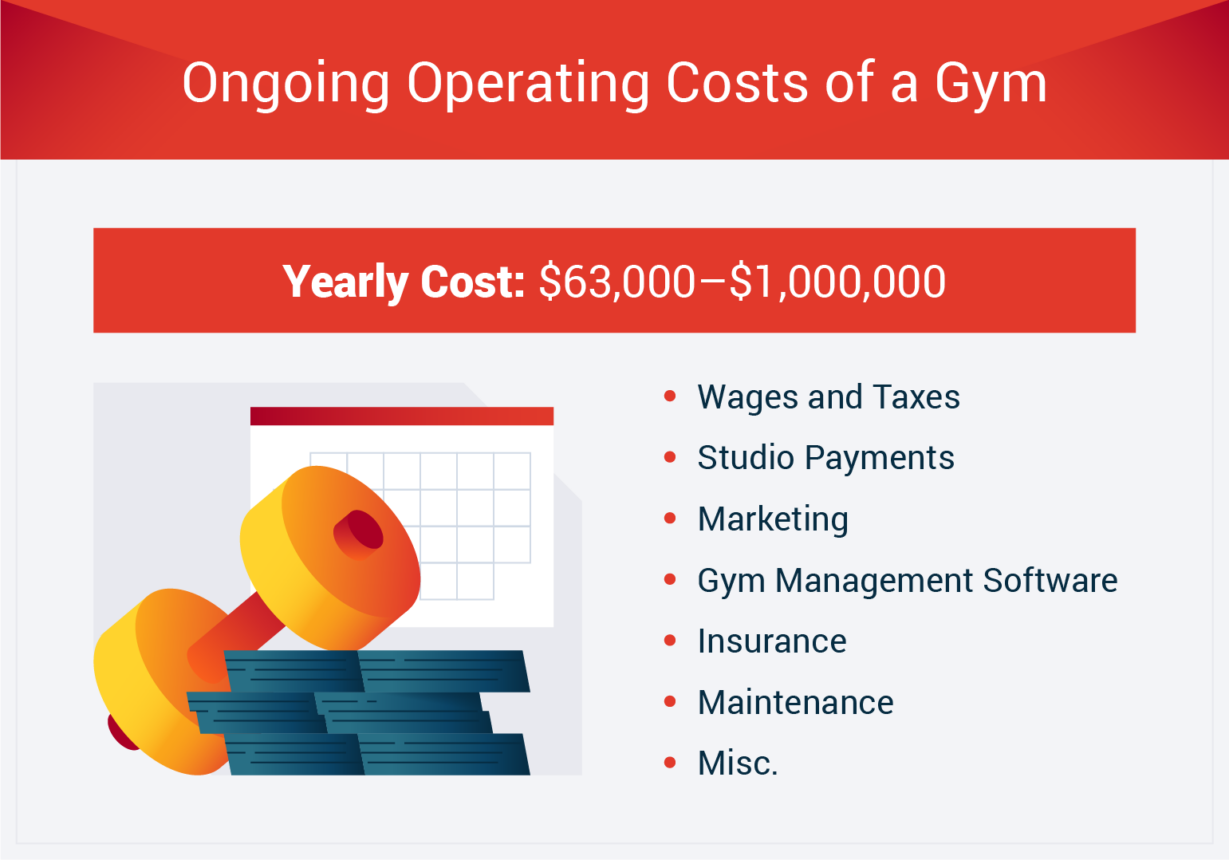
Beyond the initial startup, you’ll have ongoing monthly expenses.
- Rent/Mortgage: The largest recurring cost.
- Utilities: Electricity, water, gas, internet.
- Salaries and Wages: For staff.
- Marketing and Advertising: To attract new members.
- Equipment Maintenance and Repair: Keeping your gear in top condition.
- Cleaning Supplies: Maintaining a hygienic environment.
- Software Subscriptions: For membership management, accounting, etc.
- Payment Processing Fees: For credit card transactions.
- Inventory: For any retail items or supplements you sell.
Crafting Your Gym Business Plan Texas
A comprehensive Gym business plan Texas is your roadmap to success. It should include:
- Executive Summary: A brief overview of your business.
- Company Description: What your gym offers, its mission, and vision.
- Market Analysis: Research on your target audience, competitors, and the local fitness landscape.
- Services and Products: Detailed description of memberships, classes, personal training, and any retail offerings.
- Marketing and Sales Strategy: How you’ll attract and retain members.
- Management Team: Your qualifications and experience.
- Financial Projections: Startup costs, operating expenses, revenue forecasts, and break-even analysis.
Texas Gym Franchise Cost: An Alternative Route
If you prefer a more structured approach, considering a Texas gym franchise cost might be appealing. Franchises offer a proven business model, brand recognition, and ongoing support, but they also come with franchise fees and royalty payments.
Factors influencing Texas gym franchise cost include:
- Franchise Fee: An upfront payment for the right to use the brand and system.
- Royalty Fees: A percentage of your gross revenue paid to the franchisor.
- Marketing Fees: Contributions to a national marketing fund.
- Initial Investment: This covers build-out, equipment, and initial operating capital, which can range from $100,000 to over $1,000,000 depending on the franchise.
Examples of franchise costs vary widely:
| Franchise Type | Estimated Initial Investment | Typical Royalty Fee |
|---|---|---|
| Boutique Fitness Studio | $100,000 – $300,000 | 6% – 8% of revenue |
| CrossFit Box | $75,000 – $150,000 | Varies by affiliation |
| Full-Service Gym | $300,000 – $1,000,000+ | 5% – 10% of revenue |
Note: These are estimates and can fluctuate significantly. Always consult the franchisor’s Franchise Disclosure Document (FDD) for exact figures.
Estimating Your Total Startup Budget
Let’s break down potential Texas gym startup costs into categories. These are estimates and will vary greatly.
Small Gym Startup Texas Budget Example
For a modest small gym startup Texas, focusing on a niche like personal training or a specific class type (e.g., yoga, cycling), you might aim for a lower budget.
| Expense Category | Estimated Cost Range (Small Gym) |
|---|---|
| Leasehold Improvements | $10,000 – $50,000 |
| Gym Equipment | $20,000 – $75,000 |
| Technology & Software | $2,000 – $10,000 |
| Marketing & Branding | $3,000 – $15,000 |
| Licensing, Permits, Insurance | $2,000 – $5,000 |
| Initial Inventory (if applicable) | $1,000 – $5,000 |
| Working Capital (3-6 months) | $10,000 – $30,000 |
| Total Estimated Startup | $48,000 – $190,000 |
Full-Service Gym Budget Example
A larger, more comprehensive facility will require a substantial investment.
| Expense Category | Estimated Cost Range (Full-Service) |
|---|---|
| Property Purchase/Lease Deposit | $20,000 – $200,000+ |
| Leasehold Improvements | $50,000 – $250,000+ |
| Gym Equipment | $75,000 – $300,000+ |
| Technology & Software | $5,000 – $25,000 |
| Marketing & Branding | $10,000 – $50,000 |
| Licensing, Permits, Insurance | $5,000 – $15,000 |
| Initial Inventory (if applicable) | $5,000 – $20,000 |
| Working Capital (6-12 months) | $50,000 – $150,000+ |
| Total Estimated Startup | $220,000 – $1,010,000+ |
Determining Your Gym Membership Pricing Texas
Gym membership pricing Texas is a critical component of your revenue model. Consider these factors:
- Competitor Pricing: Research what other gyms in your area charge.
- Your Target Market: What can your ideal client afford?
- Your Value Proposition: What unique services or amenities do you offer?
- Operating Costs: Your pricing must cover your expenses and allow for profit.
- Membership Tiers: Offer various options (e.g., basic, premium, family, student) to cater to different needs and budgets.
- Class Packs vs. Unlimited: For fitness studio startup Texas, consider pricing for individual classes, class bundles, or unlimited class memberships.
- Personal Training Rates: Set competitive rates for one-on-one or small group training.
Common Pricing Models:
- Monthly Memberships: The most standard.
- Annual Memberships: Often offered at a discount compared to monthly.
- Class Packages: Bundles of classes (e.g., 5-class pass, 10-class pass).
- Drop-In Rates: For non-members or occasional visitors.
- Personal Training Packages: Hourly or package rates for one-on-one sessions.
How to set your gym membership pricing Texas:
- Calculate your break-even point: Determine how many members you need to cover your monthly expenses.
- Analyze competitor pricing: See what others are charging for similar services.
- Understand your costs: Factor in rent, utilities, staff, equipment, marketing, etc.
- Define your value: What makes your gym stand out?
- Create tiered options: Offer different levels of access and services.
- Consider introductory offers: Attract new members with discounts or trial periods.
Securing Funding for Your Texas Gym Venture
With a solid Gym business plan Texas, you can explore various funding options:
- Personal Savings: Using your own capital.
- Loans: Small Business Administration (SBA) loans, traditional bank loans.
- Investors: Angel investors or venture capitalists.
- Crowdfunding: Raising small amounts from a large number of people.
- Equipment Leasing: Reduces upfront equipment costs.
Frequently Asked Questions (FAQ)
Q1: What is the most significant startup cost for a gym in Texas?
A1: Generally, the most significant startup costs involve gym equipment cost and leasehold improvements for the physical space.
Q2: Can I open a gym in Texas with limited capital?
A2: Yes, it’s possible to open a small gym startup Texas or a niche fitness studio startup Texas with less capital by starting with essential equipment, a smaller space, or focusing on online training.
Q3: How long does it take to see a profit from a new gym in Texas?
A3: It typically takes 12-24 months to reach profitability, depending on membership growth, operational efficiency, and market conditions.
Q4: What are the ongoing operational costs for a gym in Texas?
A4: Ongoing costs include rent or mortgage, utilities, staff salaries, marketing, insurance, equipment maintenance, and software subscriptions.
Q5: Do I need specific certifications to own a gym in Texas?
A5: While there aren’t always specific licensing requirements for the gym owner beyond standard business licenses, ensuring your trainers are certified is crucial for credibility and safety.
Q6: How do I determine the right gym membership pricing Texas?
A6: You determine pricing by researching competitors, assessing your operating costs, understanding your target market, and offering tiered options that reflect the value you provide.
Q7: Is it cheaper to buy or lease gym equipment in Texas?
A7: Leasing equipment often has lower upfront costs, making it a good option for startups. Buying offers ownership but requires a larger initial investment.
Q8: What is the average cost for a Texas gym franchise?
A8: The Texas gym franchise cost can range from $100,000 to over $1,000,000, depending on the brand, size, and services offered by the franchise.
Q9: What are the essential Texas gym licensing requirements?
A9: Essential requirements include registering your business, obtaining an EIN, and securing any local permits from city or county authorities. Insurance is also mandatory.
Q10: How much should I budget for marketing when starting a gym in Texas?
A10: Budgeting for marketing is crucial. For a startup, expect to spend anywhere from $3,000 to $50,000 or more on initial branding, website development, and launch campaigns.
Opening a gym in Texas is a significant undertaking, but with careful planning, a robust Gym business plan Texas, and a clear understanding of the Texas gym startup costs, you can build a successful and thriving fitness business. Good luck!