How thick should gym flooring be? The right thickness for gym flooring changes a lot. It depends on what you do in your gym. Most gym floors are between 1/4 inch (6mm) and 1 inch (25mm) thick. The minimum thickness for gym floor is usually around 6mm, good for simple activities. The best thickness helps protect your floor, your equipment, and your body. It gives you a safe place to work out. Choosing the right thickness means thinking about your exercises, the weights you use, and where the gym is. This guide will help you figure out what thickness is best for your space and your workouts.
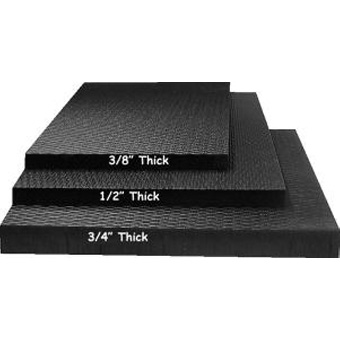
Image Source: www.greatmats.com
The Meaning of Thickness for Your Gym Floor
The thickness of your gym floor is more than just a number. It affects many things about your workout space. It plays a big role in how well the floor works for you. A thicker floor often does a better job in certain areas.
Why Thickness is Important
Thinking about thickness helps make your gym safe and long-lasting. Here are the main reasons why it matters:
Protecting Your Floor (Subfloor)
Your gym floor sits on top of another floor, called the subfloor. This can be concrete, wood, or other material. Dropping weights or using heavy machines can hurt the subfloor. A thick gym floor acts like a cushion. It spreads out the force from impacts. This stops dents, cracks, or scratches on the subfloor. If your subfloor is easily damaged (like wood), you will need thicker gym flooring to keep it safe.
Protecting Equipment
Your weights, dumbbells, and machines can also get damaged when they hit the floor hard. Thick flooring softens the landing. This helps your expensive equipment last longer. It stops plates from cracking or dumbbells from getting bent.
Protecting Your Body (Joints, Stability)
Working out involves lots of impact on your joints, especially your knees and ankles. Running, jumping, or lifting heavy weights can be hard on your body. A floor with good thickness for impact absorption takes some of the shock. This is kinder to your joints. It can help stop pain and injuries over time. However, the floor still needs to be firm enough for stability. You need a solid base for lifting or quick movements. The right thickness balances comfort and firmness.
Reducing Noise and Vibration
Gym activities can be noisy. Weights dropping make a loud bang. Machines can cause vibrations. Thicker flooring helps to quiet things down. It absorbs sound waves and vibrations. This is great for home gyms, especially in a house with other people. It’s also important in commercial gyms to keep the noise down for members and neighbors. Rubber gym flooring thickness especially helps with noise.
Looking at Different Thickness Options
Gym flooring comes in many thicknesses. They are often measured in millimeters (mm) or inches. Let’s look at common options and what they are good for.
Thin Floors (6mm to 8mm)
- Thickness: About 1/4 to 5/16 inch.
- What they are good for:
- Cardio exercises (like treadmills, ellipticals).
- Bodyweight workouts (like push-ups, squats).
- Using light dumbbells or kettlebells that are placed gently.
- Yoga, Pilates, stretching.
- As a protective layer under machines.
- Why choose them: They are often the least expensive. They protect the subfloor from scratches and scuffs. They offer some comfort but not much shock absorption.
- Keywords: minimum thickness for gym floor, recommended gym floor thickness (for light activities).
- Things to know: These are not good for dropping weights. They won’t protect your subfloor or weights from heavy drops. You might not need thick gym mat thickness for weights if you only use light ones carefully.
Medium Floors (10mm to 12mm)
- Thickness: About 3/8 to 1/2 inch.
- What they are good for:
- More varied workouts than thin floors.
- Using free weights (dumbbells, barbells) carefully.
- Some exercises where weights might touch the floor gently.
- Under weight machines.
- Why choose them: They offer better protection and comfort than thin floors. They are a popular choice for many home gyms. They handle a mix of activities well.
- Keywords: rubber gym flooring thickness (10-12mm is a common size for rolls and tiles), gym mat thickness for weights (suitable for placing weights down, not dropping).
- Things to know: While better than thin floors, they still might not be enough for heavy lifting or dropping weights. Check the type of weights and how you use them.
Thick Floors (15mm to 20mm)
- Thickness: About 5/8 to 3/4 inch.
- What they are good for:
- Heavier free weight training.
- Exercises like deadlifts or cleans where weights are lowered to the floor (but not forcefully dropped from height).
- Providing good impact absorption for general gym use.
- Areas with more traffic or heavier equipment.
- Why choose them: These offer a good balance of protection, comfort, and durability for serious training. They provide solid gym flooring thickness for impact absorption for most activities.
- Keywords: recommended gym floor thickness (for home gyms with moderate to heavy lifting), gym flooring thickness for impact absorption (good level starts here).
- Things to know: These are better for impact but might still not be enough if you plan to drop heavy weights often.
Very Thick Floors (25mm+)
- Thickness: 1 inch or more.
- What they are good for:
- Heavy powerlifting and Olympic weightlifting.
- Workouts that involve dropping heavy barbells (like snatches and clean and jerks).
- Protecting subfloors from major impacts.
- Providing maximum noise and vibration reduction.
- Why choose them: These are built for the most demanding training. They offer the best thickness needed for dropping weights and maximum protection for the subfloor and weights. They are the best thickness for weightlifting floor areas where heavy drops happen.
- Keywords: best thickness for weightlifting floor, thickness needed for dropping weights, gym flooring thickness for impact absorption (highest level).
- Things to know: These are the most expensive. They can be very heavy and harder to install. For some activities (like very fast lateral movements), they might feel a bit too soft.
Thickness Needs Based on Your Activities
What you do in your gym is the most important factor in choosing thickness. Let’s break it down by activity type.
Cardio and Light Exercise
If your gym is mostly for running on a treadmill, using an elliptical, cycling, or doing bodyweight exercises, you don’t need super thick flooring.
- Recommended Thickness: 6mm to 8mm.
- Why: This provides enough cushion for comfort and protects the subfloor from machine weight and foot traffic. It prevents scratches and wear. It’s usually the minimum thickness for gym floor you need.
Using Dumbbells and Machines
If you use dumbbells, kettlebells, or weight machines, the floor needs more protection than just for cardio. You won’t be dropping weights from height, but you might place them down firmly or have them rest on the floor.
- Recommended Thickness: 8mm to 12mm.
- Why: This range gives better protection against impacts from placing weights down. It shields the subfloor from the heavy weight of machines. 10mm or 12mm rubber gym flooring thickness is a popular choice here. This level works well for gym mat thickness for weights when weights are handled with care.
Lifting Heavy Weights (No Dropping)
If you do exercises like squats, deadlifts, or bench presses with heavy barbells or dumbbells, but you control the weight all the way down (you don’t drop it), you need solid protection.
- Recommended Thickness: 15mm to 20mm.
- Why: This thickness provides good stability for lifting heavy loads. It also offers good protection if you lower a heavy weight and it touches the floor, or if you accidentally drop a weight from a very short height (like failing on a bench press). It starts to offer good gym flooring thickness for impact absorption for moderate accidental drops.
Lifting Heavy Weights (With Planned Dropping)
This is the most demanding use for gym flooring. If you practice Olympic lifts (snatches, clean and jerks) or powerlifting with weights you expect to drop from overhead or waist height, you need serious protection.
- Recommended Thickness: 25mm or more. Often, dedicated platforms are used with even thicker layers or extra drop mats.
- Why: This is the best thickness for weightlifting floor areas meant for dropping. It absorbs the huge force from heavy weights falling, protecting both the subfloor and the weights themselves. It is the thickness needed for dropping weights safely. It provides maximum gym flooring thickness for impact absorption. Using specific drop mats on top of the main flooring layer is also common for extra safety and noise reduction.
Thickness for Different Gym Places
Where your gym is located also helps decide the best thickness.
Home Gyms
Home gyms are often in garages, basements, spare rooms, or even outdoors. The subfloor might be concrete, wood, or other materials. You usually do many different types of workouts in one space.
- Common Thickness: 8mm to 20mm.
- Choosing:
- Light use (Cardio, bodyweight): 6mm to 8mm home gym flooring thickness is enough.
- Mixed use (Cardio, machines, moderate free weights): 10mm to 15mm home gym flooring thickness is a good all-around choice.
- Heavy lifting (but no dropping): 15mm to 20mm home gym flooring thickness is better.
- Heavy lifting with dropping (Garage or basement with concrete): 25mm+ or using lifting platforms/drop mats is best garage gym flooring thickness for this. If the subfloor is wood, even thicker or more protective measures are needed for heavy drops.
- Think About: Noise is a big factor in home gyms. Thicker flooring helps reduce noise that could bother others in the house or neighbors.
Commercial Gyms
Commercial gyms have different areas for different activities. They also have many people using the equipment.
- Common Thickness: Varies greatly by zone, 6mm to 30mm+.
- Choosing by Zone:
- Cardio Area: 6mm to 8mm commercial gym flooring thickness is typical.
- Machine Area: 8mm to 10mm commercial gym flooring thickness is common.
- Free Weight Area (Dumbbells, barbells – no dropping): 15mm to 20mm commercial gym flooring thickness provides durability and protection. This is a recommended gym floor thickness for general free weight zones.
- Powerlifting/Olympic Lifting Area (Dropping weights): 25mm+ commercial gym flooring thickness, often with platforms and drop mats, is needed. This is the thickness needed for dropping weights in a commercial setting.
- Think About: Durability is key. Commercial floors get constant use. Thicker floors often last longer under heavy traffic and repeated impacts. Safety is also vital for many users.
Picking the Best Thickness for You
Bringing everything together, here’s how to make your choice.
Think About Your Training
What exercises do you do most often? Will you get heavier weights later?
- Light: Yoga, bodyweight, cardio machines = 6-8mm.
- Medium: Machines, careful free weights up to moderate weight = 10-12mm.
- Heavy: Heavy free weights, no drops = 15-20mm.
- Very Heavy/Dropping: Olympic lifts, powerlifting drops = 25mm+.
Think About Your Subfloor
What is under the gym floor?
- Concrete: Very durable. Thin to medium flooring (6-12mm) protects it from scratches. Thicker flooring (15mm+) protects it from heavy impacts. Very thick flooring (25mm+) is needed for dropping heavy weights safely on concrete.
- Wood: More easily damaged. Needs thicker flooring for protection, even for moderate weights. For heavy lifting or any potential drops, you need thick flooring (20mm+) or a lifting platform to spread the weight and impact.
- Other (Tile, etc.): Check how easily it might crack or break. You likely need thicker flooring to be safe.
Think About Your Budget
Thicker flooring usually costs more per square foot.
- Match thickness to your real needs to save money. Don’t pay for 1-inch flooring if you only do yoga.
- Sometimes, a mix works. Use thicker mats just in the area where you lift heaviest, and thinner flooring elsewhere.
Think About Noise
Is noise a problem where your gym is?
- Thicker flooring absorbs more sound and vibration. 15mm+ is noticeably better for noise reduction. 25mm+ is best.
Using a Guide Table
Here is a simple guide based on common uses.
| Main Activities | Weights Used | Subfloor Type | Recommended Thickness Range | Common Keywords |
|---|---|---|---|---|
| Cardio, Bodyweight, Light Machines | None / Very Light | Any | 6mm – 8mm | minimum thickness for gym floor, recommended gym floor thickness (light) |
| Machines, Light-Moderate Free Weights | Light-Moderate | Concrete | 8mm – 12mm | rubber gym flooring thickness (rolls/tiles), gym mat thickness for weights |
| Machines, Light-Moderate Free Weights | Light-Moderate | Wood / Sensitive | 12mm – 15mm | home gym flooring thickness, garage gym flooring thickness |
| Heavy Free Weights (No Dropping) | Heavy | Concrete | 15mm – 20mm | gym flooring thickness for impact absorption, recommended gym floor thickness |
| Heavy Free Weights (No Dropping) | Heavy | Wood / Sensitive | 20mm – 25mm | home gym flooring thickness, garage gym flooring thickness |
| Heavy Weightlifting (Planned Dropping) | Very Heavy / Dropped | Concrete | 25mm+ or Platforms | best thickness for weightlifting floor, thickness needed for dropping weights |
| Heavy Weightlifting (Planned Dropping) | Very Heavy / Dropped | Wood / Sensitive | Platforms + Thick Base (30mm+) | best thickness for weightlifting floor, thickness needed for dropping weights |
Note: This table is a general guide. Specific products may have different qualities even at the same thickness.
Other Important Points
Thickness is key, but other things also matter when choosing gym flooring.
Types of Flooring
Gym flooring comes in different forms:
- Tiles: Easy to install, lock together. Often come in thicknesses from 8mm to 25mm+. Good for home gyms.
- Rolls: Cover large areas with fewer seams. Good for big spaces like commercial gyms. Thickness varies, often 6mm to 12mm, but thicker rolls exist.
- Mats: Thicker, smaller sections. Great for specific areas like under a squat rack or bench. Can be very thick (up to 40mm or more) for heavy lifting areas. Often used as dedicated gym mat thickness for weights areas.
Most gym flooring is made of rubber (often recycled tire rubber), but foam or plastic options exist for lighter use. Rubber is usually best for durability, grip, and impact absorption.
Installing Your Floor
Think about how easy the flooring is to put in. Tiles are generally the easiest DIY option. Rolls can be heavy and need careful cutting. Thicker mats are just placed down. Make sure your subfloor is clean and flat before installing.
Keeping Your Floor Clean
Choose flooring that is easy to clean. Most rubber flooring can be swept, vacuumed, and mopped with a mild cleaner. Proper cleaning helps the floor last longer and keeps your gym smelling fresh.
Putting It All Together
Choosing the right thickness for your gym floor is a simple step that makes a big difference. Think about:
- What exercises you do.
- How heavy your weights are.
- If you drop weights.
- What your subfloor is made of.
- How much noise reduction you need.
- Your budget.
Don’t just pick the cheapest or thickest option. Pick the one that fits your specific needs. A 6mm thickness might be perfect for a cardio room, while a 25mm thickness is a must for a serious weightlifting spot with dropping. Getting the thickness right protects your space, your equipment, your body, and makes your gym a better place to train.
Questions People Often Ask (FAQ)
Q: Can I use thin flooring (like 6mm) for heavy weights?
A: No. 6mm flooring offers very little protection against heavy weights or impacts. It won’t protect your subfloor from dents or cracks, and it won’t protect your weights from damage if dropped or placed down hard. It’s mainly for light use like cardio or bodyweight exercises. The minimum thickness for gym floor needed for weights is usually 8mm, and more is better.
Q: Is thicker always better?
A: Not always. Thicker flooring costs more. Very thick flooring (25mm+) can feel too soft for some activities that need a firm base, like quick foot movements or some forms of stability training. The best thickness is the one that matches your specific needs and budget.
Q: What is the recommended gym floor thickness for a garage gym?
A: It depends on what you do. For light use (cardio, bodyweight), 6-8mm is fine. For mixed use with moderate weights, 10-15mm home gym flooring thickness is good. For heavy lifting without dropping, 15-20mm garage gym flooring thickness is better. If you plan to drop heavy weights on a concrete garage floor, you need 25mm+ or a lifting platform.
Q: How does the subfloor matter when choosing thickness?
A: A weak subfloor (like wood) needs much more protection than a strong one (like concrete). You need thicker flooring to spread out the weight and absorb impacts on a wood subfloor. Even for lighter weight use, you might choose slightly thicker flooring (like 8mm instead of 6mm) if your subfloor is not concrete. For heavy drops on wood, special platforms are needed.
Q: How much impact absorption do I need?
A: This depends on the weights you use and how you use them. If you never drop weights, you need less impact absorption than someone doing Olympic lifts. Gym flooring thickness for impact absorption becomes very important when you are lifting heavy or performing dynamic movements like jumps. 15mm+ provides noticeable impact absorption, and 25mm+ provides high-level absorption for dropping weights.
Q: What is the best thickness for weightlifting floor areas where people drop weights?
A: For areas where heavy weights are intentionally dropped (like competitive powerlifting or Olympic lifting), the best thickness is 25mm or more. Often, specialized lifting platforms are used, which combine layers of wood and very thick rubber (30mm to 40mm or more) to provide maximum protection and noise reduction. This is the thickness needed for dropping weights safely and effectively.