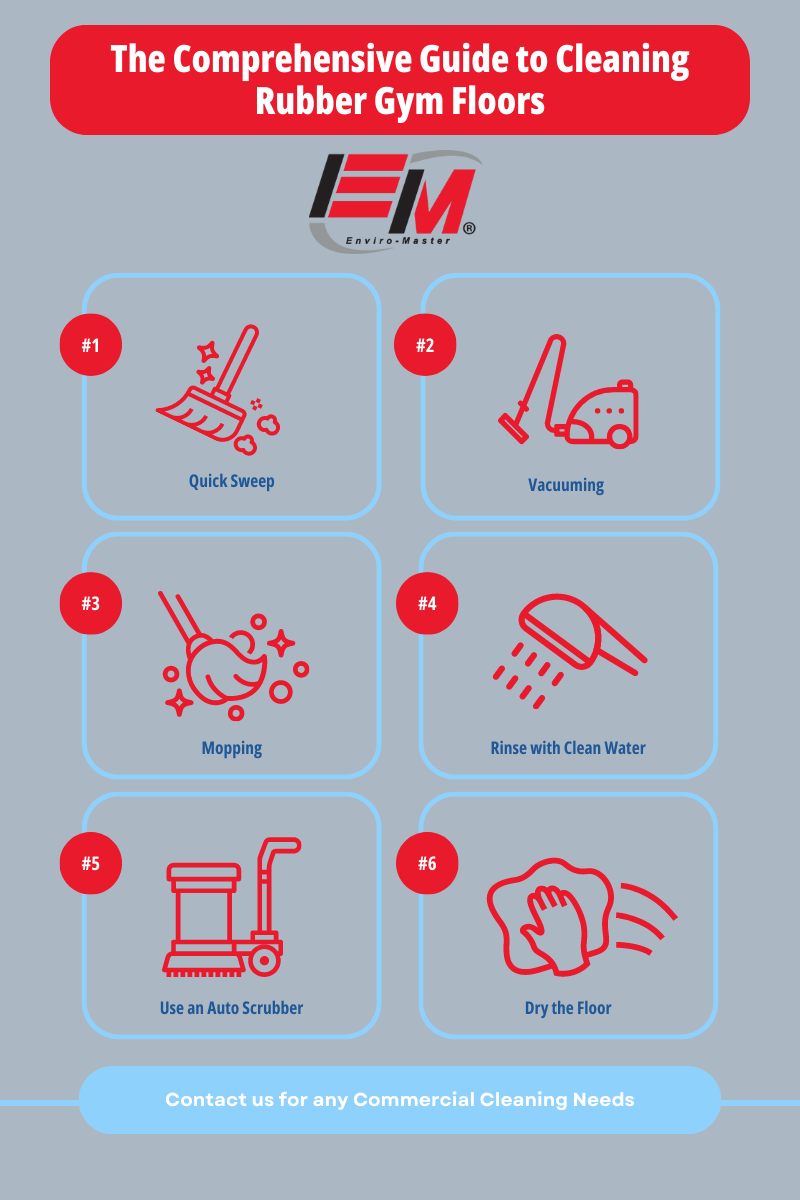
Image Source: enviro-master.com
How To Clean Rubber Floor Mats Gym: Pro Tips Included
Wondering how to clean rubber floor mats in your gym? The best way is with a mixture of warm water and a pH-neutral cleaner, followed by a thorough rinse and air dry. This method effectively removes dirt and grime without damaging the rubber.
Gyms are bustling hubs of activity, and keeping the floors pristine is vital for hygiene and the longevity of your equipment. Rubber floor mats, especially in commercial gym flooring setups, bear the brunt of sweat, dropped weights, and countless pairs of shoes. Proper rubber mat maintenance is not just about aesthetics; it’s about creating a safe, clean, and inviting environment for everyone. This guide delves into the best practices for cleaning gym mats, offering pro tips to ensure your gym floor cleaner works effectively and your mats last.
Why Clean Rubber Gym Mats?
Regular cleaning of your gym mats serves several crucial purposes:
- Hygiene and Sanitation: Sweat, dirt, and bacteria can accumulate on gym floors. Cleaning gym mats helps sanitize these surfaces, preventing the spread of germs and creating a healthier workout space. This is particularly important for exercise mat cleaning where direct contact is common.
- Odor Control: Gyms can develop unpleasant odors from sweat and moisture. Effective cleaning removes the source of these smells, keeping your gym smelling fresh.
- Durability and Longevity: Dirt and debris can act as abrasives, wearing down the rubber over time. Consistent cleaning helps preserve the integrity of your mats, extending their lifespan and protecting your investment in commercial gym flooring.
- Safety: Slippery surfaces from sweat or residue can lead to accidents. Clean mats provide better traction, reducing the risk of slips and falls.
- Appearance: Clean, well-maintained mats contribute to a professional and appealing gym atmosphere.
Essential Cleaning Supplies
Before you start cleaning gym mats, gather these supplies:
- Warm Water: The base for most cleaning solutions.
- pH-Neutral Cleaner: Look for a cleaner specifically designed for rubber or vinyl surfaces. Avoid harsh chemicals like bleach or ammonia, as they can degrade the rubber. A mild dish soap can be used in a pinch, but a dedicated gym floor cleaner is often better.
- Stiff Bristled Brush or Broom: For scrubbing away tougher grime.
- Bucket(s): One for the cleaning solution and one for rinsing water.
- Mop: A string mop or a sponge mop can be used.
- Absorbent Cloths or Towels: For drying.
- Optional: Wet Vacuum or Squeegee: For efficient water removal.
- Optional: Disinfectant Spray: For an extra layer of sanitization.
Step-by-Step Guide to Cleaning Rubber Floor Mats
Following these steps will ensure thorough and effective cleaning of your rubber gym mats:
Step 1: Preparation and Initial Debris Removal
- Clear the Area: Remove all gym equipment, weights, benches, and other items from the mats. This allows for unobstructed cleaning.
- Sweep or Vacuum: Use a stiff bristled broom or a shop vacuum to remove loose dirt, dust, hair, and debris from the surface of the mats. Pay attention to the crevices and edges of the mats where dirt tends to accumulate. This initial step prevents dirt from being ground into the rubber during the wet cleaning process.
Step 2: Creating Your Cleaning Solution
- Mix Your Cleaner: In a bucket, combine warm water with your pH-neutral gym floor cleaner according to the manufacturer’s instructions. A general guideline is about 1-2 ounces of cleaner per gallon of water. For tough stains, you might need a slightly more concentrated solution, but always test in an inconspicuous area first.
- Consider Natural Options: For a more eco-friendly approach, a solution of warm water with a few drops of mild dish soap or a diluted white vinegar solution (1 part vinegar to 10 parts water) can also be effective. However, vinegar is acidic and should be used sparingly and rinsed thoroughly to avoid long-term damage to the rubber.
Step 3: Scrubbing the Mats
- Apply the Solution: Dip your stiff-bristled brush or broom into the cleaning solution.
- Scrub Systematically: Work in small sections, scrubbing the mats with firm pressure. Focus on areas that appear particularly dirty or stained. The bristles will help lift ingrained dirt and sweat. For rubber tile cleaning, ensure you scrub between the tiles as well.
- Address Stains: For stubborn stains, you might need to apply a bit more cleaner directly to the spot and let it sit for a few minutes before scrubbing. If a specific gym equipment cleaner is recommended by your mat manufacturer, this is when to use it.
Step 4: Rinsing the Mats
- Clean Water Rinse: Empty your dirty cleaning solution bucket and refill it with clean, cool water.
- Mop or Squeegee: Use a clean mop to rinse the mats thoroughly, removing all traces of the cleaning solution. Alternatively, a squeegee can be used to push the dirty water off the mats and towards a drain if your gym has one. If you don’t have a drain, a wet vacuum is excellent for extracting the water and cleaning solution.
- Multiple Rinses: Depending on the cleanliness of the mats and the type of cleaner used, you may need to rinse the mats more than once to ensure no residue remains.
Step 5: Drying the Mats
- Absorb Excess Water: Use clean, absorbent cloths or towels to wipe down the mats and soak up any remaining moisture.
- Air Dry: Allow the mats to air dry completely before replacing equipment or allowing foot traffic. Good ventilation is key. If possible, open windows or use fans to speed up the drying process. Ensure the mats are completely dry to prevent mold or mildew growth.
Deeper Cleaning and Sanitization
For gyms with heavy usage or specific hygiene concerns, deeper cleaning and sanitization are essential.
Spot Cleaning Tough Stains
- Identify the Stain: Different stains may require different approaches. Protein-based stains (like blood or sweat) might benefit from an enzymatic cleaner, while oil-based stains might need a degreaser. Always use products specifically designed for rubber and test them first.
- Gentle Application: Apply the stain remover sparingly to a cloth, not directly to the mat, and gently blot the stain. Avoid harsh scrubbing, which can damage the rubber.
- Rinse Thoroughly: After treating the stain, rinse the area well to remove any residual cleaner.
Sanitizing Gym Mats
- Disinfectant Sprays: After cleaning and drying, you can use a disinfectant spray approved for use on rubber surfaces. Follow the product’s instructions for application and dwell time. This is particularly important for exercise mat cleaning to sanitize them after each use, or at least daily.
- Sanitizing Wipes: For quick sanitization between deeper cleans, gym-specific sanitizing wipes can be used, ensuring they are safe for rubber flooring.
- Steam Cleaning: For a powerful sanitization option, steam cleaning can be very effective. Use a steam cleaner with a floor attachment and ensure it’s suitable for rubber surfaces. Allow mats to dry completely after steam cleaning.
Maintenance Tips for Rubber Floor Mats
Consistent rubber mat maintenance extends their life and keeps your gym looking professional:
- Daily Wiping: Encourage members to wipe down their mats after use, especially in personal training areas or studios. A quick wipe with a damp cloth or gym-specific sanitizing wipe can make a big difference.
- Regular Deep Cleans: Schedule regular deep cleaning sessions, perhaps weekly or bi-weekly, depending on gym traffic.
- Prompt Spill Cleanup: Address spills, especially sweat or sports drinks, immediately to prevent staining and odor.
- Avoid Harsh Chemicals: Never use abrasive cleaners, steel wool, or harsh chemicals like bleach, ammonia, or acetone, as these will damage the rubber.
- Protect from Sharp Objects: While rubber is durable, sharp objects dropped on the mats can cause punctures or tears.
- Manufacturer Recommendations: Always refer to the manufacturer’s guidelines for specific cleaning and maintenance of your particular type of rubber flooring.
Cleaning Different Types of Rubber Mats
While the general principles apply, there can be slight variations depending on the type of rubber mat:
Interlocking Rubber Tiles
These can be more challenging due to the seams.
- Focus on Gaps: Use a brush with a narrower head or even an old toothbrush to get into the gaps between the tiles during the scrubbing phase.
- Squeegee Advantage: A squeegee is particularly useful for pushing water and cleaning solution out from between the tiles after rinsing.
Rolled Rubber Flooring
This is typically a single, continuous sheet.
- Large Area Coverage: You’ll likely need a larger mop or a floor scrubber machine for efficient cleaning.
- Edge Care: Pay attention to the edges where dust and debris can accumulate against walls or equipment.
Rubber Mats for Specific Equipment
Mats designed for under specific gym equipment (e.g., treadmills, weight racks) still require cleaning.
- Move Equipment (If Possible): If feasible, move the equipment temporarily to allow for thorough cleaning of the mat underneath.
- Spot Clean: If moving the equipment is not possible, focus on diligent spot cleaning and sanitizing the accessible areas.
What to Avoid When Cleaning Gym Mats
Avoiding certain practices is as important as knowing what to do:
- Excessive Water: While you need water to clean, avoid flooding the mats, especially if they are not fully sealed. Too much water can seep into subflooring and cause damage or promote mold growth.
- High-Pressure Washing: Unless specifically recommended by the manufacturer and with a very low setting, avoid high-pressure washers as they can damage the rubber surface.
- Abrasive Scrubbing Pads: Steel wool or harsh scouring pads can scratch and wear down the rubber.
- Leaving Mats Wet: Ensure mats are completely dry before covering them or allowing them to be used.
- Using the Wrong Cleaner: Always opt for a pH-neutral or rubber-specific cleaner. A good gym floor cleaner is your best bet.
Choosing the Best Gym Floor Cleaner
The market offers various options for cleaning gym floors. Here are some considerations when selecting a gym floor cleaner:
- pH Neutrality: As mentioned, pH-neutral cleaners are ideal as they won’t degrade the rubber.
- Effectiveness: Does it tackle sweat, dirt, and potential odors?
- Safety: Is it safe for rubber surfaces and users? Avoid cleaners with harsh fumes.
- Biodegradability: For environmentally conscious gyms, biodegradable options are available.
- Concentration: Concentrated cleaners often offer better value and allow you to adjust the strength.
- Manufacturer Approval: Check if the cleaner is approved by your rubber flooring manufacturer.
Table: Cleaning Frequency Recommendations
| Cleaning Task | Frequency (Light Use Gym) | Frequency (Heavy Use Gym) | Notes |
|---|---|---|---|
| Sweep/Vacuum | Daily | Twice Daily | Remove loose debris. |
| Spot Clean Spills | Immediately | Immediately | Prevent stains and odors. |
| Wipe Down (high-touch) | As needed | After each use | Use sanitizing wipes or damp cloth. |
| General Wet Clean (mop) | Weekly | 2-3 times Weekly | Use pH-neutral cleaner and warm water. |
| Deep Clean/Sanitize | Bi-weekly/Monthly | Weekly | For thorough hygiene and odor control. |
| Inspect for Damage | Weekly | Weekly | Check for tears, peeling, or worn areas. |
Maintaining a Clean Commercial Gym Flooring Environment
Beyond the mats, a comprehensive approach to gym cleanliness is crucial.
- Regular Cleaning of Gym Equipment: Use an appropriate gym equipment cleaner to wipe down machines and weights regularly.
- Flooring Around Mats: Ensure any surrounding flooring is also kept clean to prevent dirt transfer to the mats.
- Ventilation: Good airflow helps reduce moisture and odor buildup.
- Member Education: Briefly educating members on proper mat usage and hygiene can foster a culture of cleanliness.
Conclusion
Keeping your gym’s rubber floor mats clean is an ongoing but essential task. By implementing a consistent cleaning routine using the right tools and techniques, you can ensure a hygienic, safe, and inviting environment for your members. Whether you’re dealing with a small home gym or extensive commercial gym flooring, mastering rubber mat maintenance is key to protecting your investment and providing the best possible experience. Remember, a clean gym is a healthy gym. Regular cleaning with a good gym floor cleaner will not only preserve your mats but also contribute to the overall well-being of everyone who walks through your doors. For optimal exercise mat cleaning, always prioritize gentle yet effective methods to sanitize gym mats and keep them looking and functioning their best.
Frequently Asked Questions (FAQ)
Q1: Can I use a bleach-based cleaner on my rubber gym mats?
A1: No, it is strongly advised not to use bleach or ammonia-based cleaners on rubber gym mats. These harsh chemicals can degrade, discolor, and shorten the lifespan of the rubber material. Always opt for a pH-neutral or rubber-specific cleaner.
Q2: How often should I deep clean my rubber gym mats?
A2: The frequency of deep cleaning depends on the usage of your gym. For a commercial gym with high traffic, a deep clean at least weekly is recommended. For a home gym with lighter use, bi-weekly or monthly might suffice. Daily sweeping and spot cleaning are still crucial regardless of deep cleaning frequency.
Q3: What is the best way to remove stubborn stains from rubber mats?
A3: For stubborn stains, try applying a small amount of your pH-neutral gym floor cleaner directly to the stain and letting it sit for a few minutes before gently scrubbing with a soft-bristled brush. If the stain persists, look for a specialized stain remover designed for rubber or vinyl. Always test any new cleaner in an inconspicuous area first.
Q4: My rubber mats have a strong odor. What can I do?
A4: Odors are usually caused by trapped moisture and bacteria. Ensure your mats are thoroughly dried after cleaning. For persistent odors, you can try a mild solution of white vinegar and water (1:10 ratio) for a more thorough clean, followed by a complete rinse and drying. Baking soda can also be sprinkled on dry mats overnight to absorb odors, then vacuumed up. Ensure good ventilation in your gym space.
Q5: Can I use a power washer on my rubber gym mats?
A5: Generally, it’s best to avoid high-pressure washers on rubber gym mats. The intense pressure can damage the surface, cause it to break down, or even tear the mats. Gentle scrubbing with a brush and a hose or mop is a much safer and effective method. If you must use a pressure washer, ensure it is on the lowest possible setting and held at a safe distance.
Q6: What is the difference between cleaning rubber floor mats and other types of gym flooring?
A6: Rubber floor mats are generally quite durable but sensitive to harsh chemicals and excessive abrasives. Unlike some other synthetic flooring, they require specific care to maintain their grip and integrity. Always consult the manufacturer’s recommendations for any specific flooring type. Cleaning gym mats requires a focus on both hygiene and preserving the material itself.