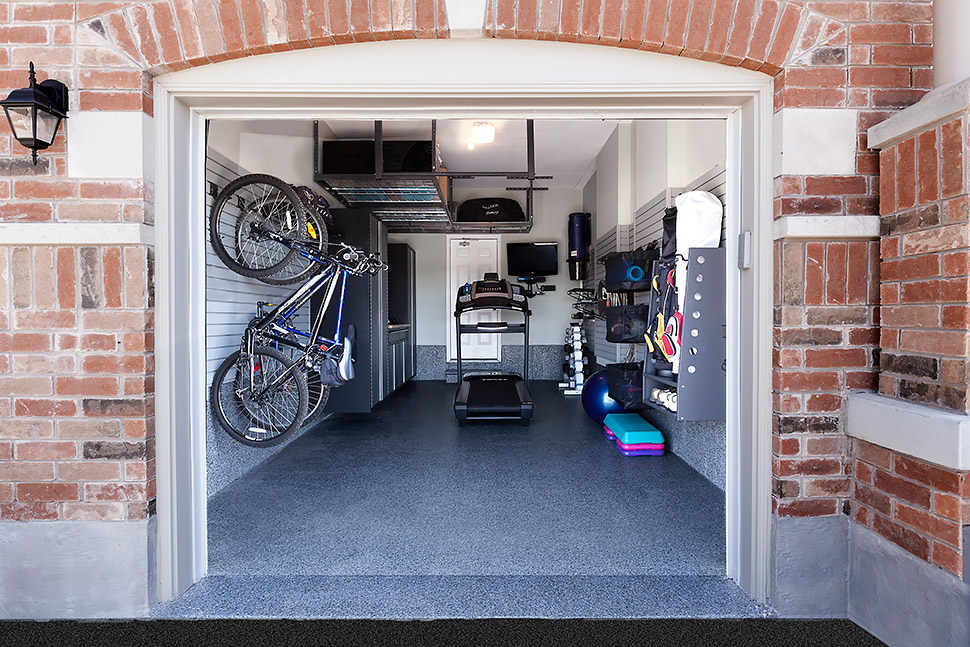
Image Source: www.garageliving.com
How To Convert Garage Into Gym: Your Guide
Can I convert my garage into a gym? Yes, absolutely! Converting your garage into a gym is a fantastic way to create a dedicated fitness space that fits your schedule and preferences.
Planning Your Garage Gym Conversion
Embarking on a garage gym conversion is an exciting project. It transforms an often underutilized space into a functional and motivating environment for your workouts. Proper planning is key to a successful home gym setup. This guide will walk you through every step, from initial concept to the final touches. We’ll cover everything you need to consider for an effective DIY home gym.
Assessing Your Space
Before you buy a single dumbbell, take a good look at your garage. What’s its current state? Is it dry and structurally sound? What are the dimensions? This initial assessment will guide all your subsequent decisions.
Size and Layout
- Measure Everything: Get out your tape measure. Record the length, width, and height of your garage. Don’t forget to note the placement of any support pillars, windows, or doors.
- Ceiling Height: This is crucial for exercises like overhead presses, cleans, and even for setting up certain equipment like a squat rack or a pull-up bar. If your ceiling height is limited, you might need to adjust your equipment choices.
- Doorways and Access: How will you get equipment in and out? Ensure doorways are wide enough for larger items. Consider if you’ll need to remove or modify any doors.
Structural Integrity
- Flooring: Is your concrete floor level and free from major cracks? Significant damage might require repair before you can proceed.
- Walls and Ceiling: Check for dampness, mold, or any signs of structural weakness. These issues need to be addressed before you start building your home gym design.
Setting Your Budget
A garage gym conversion can range from a budget-friendly setup to a high-end fitness studio. Knowing your financial limits upfront will help you prioritize.
- Essential vs. Luxury: What are the absolute must-haves? What can you add later?
- DIY vs. Professional: Are you comfortable doing the work yourself, or will you need to hire professionals for certain tasks like electrical work or flooring installation?
- Equipment Costs: This is often the largest portion of the budget. Research prices and consider buying used equipment where appropriate.
Preparing Your Garage Space
Once you have a solid plan, it’s time to get the garage ready. This involves decluttering, cleaning, and making any necessary repairs or modifications. This step is fundamental to maximizing your converting garage space.
Decluttering and Cleaning
Most garages are repositories for forgotten items. You’ll need to clear everything out to get a true sense of the space you have to work with.
- Sort and Purge: Go through everything. Keep what you need, donate or sell what you don’t, and discard the rest.
- Deep Clean: Sweep, vacuum, and wash down all surfaces. Address any cobwebs, dirt, or grime. If there are oil stains on the concrete, use a heavy-duty degreaser.
Repairs and Modifications
Address any structural issues before you move forward.
- Crack Repair: Small cracks in the concrete can usually be filled with a concrete patching compound. Larger or structural cracks may require professional attention.
- Waterproofing: If your garage is prone to dampness, consider applying a waterproof sealant to the concrete floor and lower sections of the walls.
Flooring: The Foundation of Your Home Gym
Garage gym flooring is arguably the most important element of your home gym setup. It protects your concrete, your equipment, and most importantly, you.
Types of Garage Gym Flooring
- Rubber Mats: These are the most popular choice. They come in various thicknesses and densities.
- Interlocking Tiles: Easy to install and customize.
- Rolls: Offer a seamless look and can be cut to fit your space.
- Poured Rubber: A more permanent and professional option, offering excellent shock absorption.
- Vinyl Flooring: Durable and easy to clean, but may not offer as much impact protection as rubber.
- Carpet Tiles: Can provide comfort and warmth but are less durable and harder to clean for a gym environment.
Choosing the Right Thickness
The thickness of your flooring depends on the type of training you do.
- Light Cardio & Bodyweight: 1/4 inch to 3/8 inch thick mats are usually sufficient.
- Weightlifting & High Impact: 1/2 inch to 3/4 inch thick mats or poured rubber are recommended to absorb the shock of dropped weights.
Installation Tips
- Ensure a Level Surface: Uneven flooring can lead to tripping hazards.
- Clean the Subfloor: Dust and debris can prevent mats from adhering properly or create bumps.
- Acclimate Materials: If using rubber rolls or tiles, let them sit in the garage for a day or two to adjust to the temperature and humidity before installation.
Creating a Functional Home Gym Design
A well-thought-out home gym design ensures that your space is not only functional but also safe and enjoyable to use.
Ventilation and Airflow
Garages can get stuffy, especially during intense workouts. Good ventilation is crucial for comfort and air quality.
- Open Doors and Windows: The simplest solution, but not always practical.
- Fans: Floor fans or wall-mounted fans can significantly improve airflow.
- Window Installation: If you have the budget and it’s feasible, adding windows can provide natural light and ventilation.
- Exhaust Fans: For a more permanent solution, consider installing an exhaust fan to remove stale air.
Insulation and Climate Control
Garages are often uninsulated, leading to extreme temperature fluctuations. Insulation will make your gym more comfortable year-round.
Insulation Options
- Fiberglass Batts: A common and affordable option. Install between studs in walls and ceiling joists.
- Spray Foam: Offers superior insulation and air sealing but is more expensive and often requires professional installation.
- Rigid Foam Boards: Can be attached to walls and ceilings for an added layer of insulation.
Heating and Cooling
- Space Heater: For colder months, a safe and properly vented space heater can warm the area.
- Portable Air Conditioner/Dehumidifier: For hotter months, a unit can provide cooling and remove excess moisture.
Lighting Your Gym Space
Adequate lighting can transform your garage gym from a dim, uninviting space into a bright, motivating environment.
Lighting Considerations
- General Overhead Lighting: Bright, even lighting is essential. LED fixtures are energy-efficient and provide excellent illumination.
- Task Lighting: Consider spotlights or adjustable lamps for specific areas, such as where you do stretching or use free weights.
- Natural Light: If you have windows, maximize natural light. Keep them clean and unobstructed.
Lighting Fixture Types
- LED Panels: Offer a clean, modern look and bright, diffused light.
- Fluorescent Fixtures: A more budget-friendly option, but can sometimes flicker.
- Pendant Lights: Can add a decorative touch if placed strategically.
Selecting Home Gym Equipment
Choosing the right home gym equipment is critical. It should align with your fitness goals and the available space.
Essential Equipment for a Basic Home Gym
For a solid foundation, start with these versatile pieces.
- Dumbbells: A range of weights.
- Adjustable Bench: Allows for various exercises.
- Pull-Up Bar: Can be mounted in a doorway or on the wall.
- Resistance Bands: Versatile for strength and conditioning.
- Jump Rope: Great for cardio.
- Kettlebell: Excellent for dynamic movements.
Intermediate to Advanced Equipment
As your needs grow, consider adding:
- Barbell and Weight Plates: For compound lifts like squats, deadlifts, and bench presses.
- Squat Rack or Power Cage: Essential for safe heavy lifting. Ensure it fits your ceiling height.
- Weight Bench: A sturdy, adjustable bench.
- Cardio Equipment: Treadmill, elliptical, stationary bike, or rower.
Considerations for Specific Exercises
- Olympic Lifting: Requires ample floor space, proper flooring, and a power rack if lifting heavy.
- Bodyweight Training: Requires minimal equipment but ample clear space.
- Cardio: Treadmills, rowers, or stationary bikes take up significant space but offer excellent cardiovascular benefits.
Garage Gym Organization: Keeping Things Tidy
Effective garage gym organization keeps your space safe, functional, and inspiring. Without it, your gym can quickly become cluttered and difficult to use.
Storage Solutions
- Wall-Mounted Racks and Shelving: Ideal for storing dumbbells, kettlebells, medicine balls, and weight plates.
- Pegboards: Perfect for hanging resistance bands, jump ropes, and smaller accessories.
- Storage Bins and Totes: For smaller items like jump ropes, lifting straps, or cleaning supplies.
- Weight Tree: Keeps your weight plates organized and off the floor.
- Bench Storage: Some benches have built-in storage.
Space-Saving Tips
- Vertical Storage: Utilize wall space as much as possible.
- Multi-Functional Equipment: Opt for adjustable dumbbells or benches that can be stored upright.
- Foldable Equipment: Consider foldable squat racks or benches if space is extremely limited.
Safety First in Your Garage Gym
Safety should be paramount throughout your garage gym conversion.
- Clearance: Ensure there is enough space around all equipment for safe movement.
- Secure Equipment: Bolt down squat racks or power cages if necessary. Ensure benches are stable.
- Proper Lifting Technique: If you’re new to lifting, consider working with a trainer to learn correct form.
- Emergency Preparedness: Keep a first-aid kit readily accessible. Know how to use it.
Frequently Asked Questions (FAQ)
Q1: Do I need to get a permit for a garage gym conversion?
- A1: In most cases, converting a garage into a personal gym does not require a permit, as it remains a residential accessory structure. However, if you plan to make significant structural changes, add plumbing, or intend to use it for commercial purposes, you might need to check with your local building department. It’s always best to verify local regulations to be safe.
Q2: What is the best flooring for a garage gym?
- A2: The best flooring typically depends on your primary activities. For heavy lifting and Olympic-style training where dropping weights is common, thick (1/2 inch or more) rubber mats or poured rubber are ideal. For general fitness, lighter weightlifting, and cardio, 1/4 to 3/8 inch rubber mats or interlocking rubber tiles provide excellent protection and comfort.
Q3: How much does it cost to convert a garage into a gym?
- A3: The cost can vary dramatically based on the size of the garage, the extent of renovations, and the quality of equipment purchased. A basic setup with essential used equipment might cost a few hundred dollars, while a fully renovated space with high-end new equipment can range from a few thousand to tens of thousands of dollars. A reasonable average for a good, functional setup might fall between $1,000 and $5,000.
Q4: Can I use my garage as a gym in winter or summer?
- A4: Yes, but you’ll likely need to address temperature control. Garages are notoriously uninsulated. Installing wall and ceiling insulation, along with a small space heater for winter and a fan or portable air conditioner for summer, will make your gym usable year-round.
Q5: What are the most important pieces of home gym equipment to start with?
- A5: For a versatile start, consider investing in a set of adjustable dumbbells, an adjustable weight bench, and a pull-up bar. These allow for a wide range of strength-building exercises. Resistance bands and a kettlebell are also excellent, space-saving additions.
Q6: How do I organize my garage gym effectively?
- A6: Utilize vertical space with wall-mounted racks and shelves for weights and accessories. Pegboards are great for hanging bands and smaller items. A weight tree keeps plates tidy. Storage bins and totes can hold smaller gear. The key is to keep the floor as clear as possible to maximize your workout area.
Q7: Is a power rack necessary for a home gym?
- A7: A power rack or squat rack is highly recommended if you plan to lift heavy weights, particularly for exercises like squats and bench presses. It significantly enhances safety by allowing you to perform these lifts with spotter arms, preventing serious injury if you fail a lift. If your primary focus is lighter weights, bodyweight exercises, or cardio, it might not be essential initially.
Q8: How much ceiling height do I need for a squat rack?
- A8: For most standard squat racks or power cages, you’ll need at least 7 to 8 feet of ceiling height. However, always check the specific dimensions of the rack you plan to purchase. Some racks are designed for lower ceilings. Remember to also account for overhead space needed to stand up during squats and to safely unrack the barbell.
Q9: Should I insulate my garage gym?
- A9: Yes, it’s highly recommended. Garages are typically not insulated, leading to extreme temperature swings. Insulation will make your gym more comfortable for year-round use, allowing you to train effectively regardless of outside weather. It can also help with soundproofing.
Q10: What are the best ways to improve ventilation in a garage gym?
- A10: Simple methods include opening garage doors or windows when weather permits. For better airflow, consider placing oscillating floor fans strategically. If you want a more permanent solution, installing a wall-mounted exhaust fan or a ceiling fan can greatly improve air circulation and remove moisture.