So, you want to do gymnastics. That’s great! You might wonder, “What should I wear?” For gymnastics practice, you generally wear a Leotard, or a comfortable outfit like shorts and a close-fitting top. For competitions, gymnasts wear special competition leotards. The right gymnastics apparel helps you move freely and safely. This guide will help you pick out the best gymnastics clothing requirements for both practice and meets.
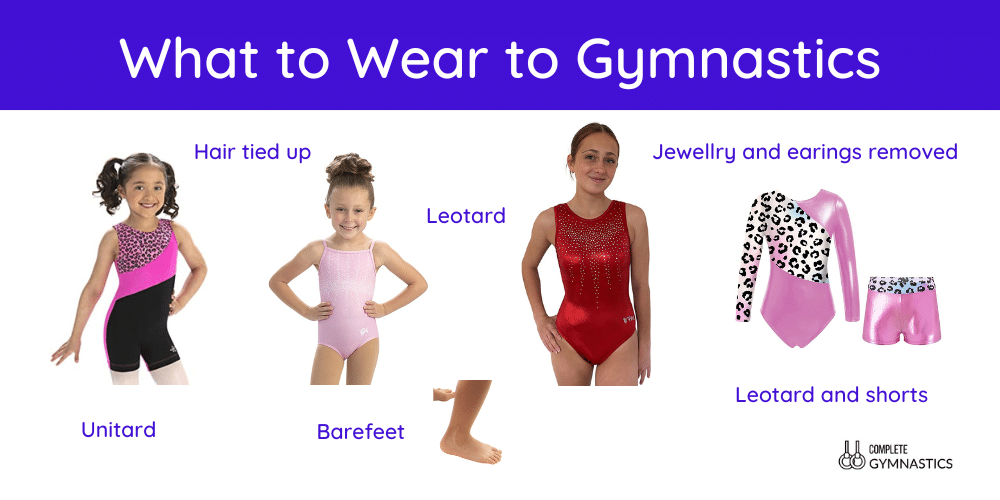
Image Source: completegymnastics.com
Grasping Why Proper Gear Matters
Wearing the right clothes for gymnastics is very important. It’s not just about looking good. Your clothes help you move safely and easily. They also help your coach see your body lines and how you move. Loose clothes can get caught on equipment. Clothes that are too tight can stop you from moving freely. The right practice attire helps you focus on learning and getting better.
What to Wear for Practice
When you go to gymnastics practice, you need clothes that let you stretch, jump, and flip without getting in your way. A comfortable gymnastics outfit is key. Most gymnasts wear a Leotard. This is a one-piece suit that stays in place while you move.
Essential Practice Items
- Leotards: These are the most common thing girls wear for practice. They are like swimsuits but made for gymnastics. They let you move all your arms and legs easily. Your coach can see your body shape and help you learn moves right.
- Shorts or Leggings: Some gymnasts like to wear shorts or leggings over their Leotard. This is fine. Just make sure they are not too baggy. They should let your legs move freely. Boys often wear shorts and a fitted gym shirt.
- Fitted Tops: If you don’t wear a Leotard, you can wear a close-fitting t-shirt or tank top with shorts or leggings. Baggy t-shirts can get in the way, especially on bars or when doing rolls.
Think about these gymnastics clothing requirements for practice:
* Clothes should fit well. Not too loose, not too tight.
* Fabric should stretch easily.
* You should feel good moving in your clothes.
* Clothes should not have buttons, zippers, or ties that could catch on things.
This basic practice attire is the first step to being ready for class.
Layering for Warm-up
At the start of practice, your body is cold. You need to warm up your muscles slowly. Wearing layers helps keep you warm. You can wear a sweatshirt, pants, or even leg warmers. Once you start moving and your body gets warm, you can take these layers off. Make sure your warm-up clothes are easy to take off quickly.
Grips and Accessories
As you get better at gymnastics, especially on the bars, you might start using gymnastics grips. These are leather pieces that strap onto your wrists and cover your palms. They help you hold onto the bar better. Grips for bars protect your hands from getting blisters and calluses. They also help you swing higher and faster.
- Wristbands: Many gymnasts wear wristbands under their grips. These soak up sweat and make the grips more comfortable. They also help keep your wrists from rubbing.
- Hair Ties: You must tie back long hair tightly. Hair flopping in your face is not safe. Use hair ties, clips, or bobby pins to keep hair out of your eyes.
- Chalk: Gymnasts use chalk on their hands and feet. Chalk helps you grip equipment better. It dries your sweat. It is not clothing, but it is a must-have accessory!
Footwear for Gymnasts
Do gymnasts wear shoes? Mostly, no. Gymnastics is done barefoot. This helps you feel the equipment and grip the floor, beam, or vault with your bare feet. The only time you might wear something on your feet is:
- Gymnastics Slippers/Shoes: Very young gymnasts sometimes wear soft gymnastics slippers. These are thin and flexible. Some older gymnasts might wear special gymnastics shoes for specific events, but this is less common in women’s artistic gymnastics than in men’s.
- Socks: You might wear socks during warm-up or conditioning. But for working on events, you will usually take them off. Socks can be too slippery on the equipment.
So, your main footwear for gymnasts is no shoes at all!
What to Wear for Competitions
Competitions are different from practice. There are rules about what you can wear. You need special competition leotards. These are usually much fancier than practice Leotards. They often have sparkles, special designs, or your team’s colors.
Compulsory vs. Optional Leotards
In competition, there are two types of routines: compulsory and optional.
* Compulsory Routines: Everyone doing a compulsory routine does the same exact moves. All gymnasts in a level often wear the same, simple leotard design for these routines. This shows judges everyone is doing the same thing.
* Optional Routines: These are routines where gymnasts make up their own moves based on rules. For optional routines, teams often have their own special, sparkly competition leotards. All gymnasts on the same team will wear the same team leotard.
These competition leotards must meet strict gymnastics apparel requirements set by the sport’s rules (like those from USA Gymnastics or FIG). These rules cover things like how much of the body the leotard must cover.
Team Uniforms
For most competitions, you will wear a team uniform. This includes your competition leotard. Your team might also have warm-up jackets or pants that you wear before and after you compete. Wearing the same team gymnastics apparel makes the team look united.
Hair and Presentation
How you look is important in competition. Judges look at your whole presentation.
* Hair: Hair must be pulled back neatly, usually in a bun or ponytail. It should not move around when you do your routine.
* No Jewelry: For safety, you cannot wear jewelry during competition (or usually practice). Small stud earrings might be allowed, but it’s best to check the rules. Rings, necklaces, and bracelets are not allowed because they can catch on equipment or hurt you.
Wearing the correct competition leotard and having neat hair are big parts of being ready to compete.
Choosing the Right Leotard
Finding the right Leotard is important for both comfort and performance. Whether it’s for practice or competition, the fit and material matter.
Comfort and Fit
A Leotard should fit like a second skin. It should not be too loose, or it can get caught. It should not be too tight, or it will stop you from moving fully.
* Checking the Fit:
* Stretch your arms up high. Does the Leotard pull down hard on your shoulders? If yes, it might be too short.
* Bend over. Does the bottom ride up too much? It might be too small.
* Move your legs wide apart. Does it feel tight in the hips?
* Look for wrinkles or baggy spots, especially in the back or tummy. This means it might be too big.
* Growing Room: Kids grow fast! It’s okay to buy a Leotard with a little room to grow, but not so much that it gets in the way now.
A comfortable gymnastics outfit starts with a good-fitting Leotard.
Material Matters
Most gymnastics Leotards are made from stretchy materials like nylon, spandex, or lycra.
* Stretch: The fabric needs to stretch a lot in all directions so you can do splits and tricky moves.
* Softness: The fabric should feel soft against your skin. You don’t want itchy clothes when you are trying to focus!
* Breathing: Some fabrics help keep you cool by letting sweat dry fast. This is good for hard practices.
Look for Leotards made from materials that feel good and stretch well.
Selecting Gymnastics Grips
Grips are important safety gear for bars, but not all gymnasts use them. Beginners usually don’t need grips for bars. You start using them when you are doing harder skills that involve a lot of swinging or release moves (letting go of the bar and catching it again).
Types of Grips
There are different types of gymnastics grips:
* Dowel Grips: These are the most common type for older gymnasts. They have a small wooden or plastic dowel rod that sits just below your fingers. This dowel helps you grip the bar without needing to wrap your hand around it so tightly. This saves your hands!
* Palm Grips: These are simpler. They are just pieces of leather that cover your palm. They offer some protection from rubbing but do not have the dowel. These might be used by younger gymnasts or for different events.
When to Start Using Grips
Talk to your coach before you get grips. They will tell you when you are ready and what kind you need. Starting grips too early can make it harder to learn basic bar holds. Your coach knows when grips will help you most on the bars.
Remember that gymnastics grips need time to break in. They feel stiff at first. You need to wear them around, swing easy swings, or even hit them against something soft to make them flexible.
Other Essential Gear
Beyond Leotards and grips, there are a few other things that are part of your gymnastics apparel or gear bag.
- Water Bottle: Staying hydrated is key. Bring a water bottle to every practice.
- Small Towel: For wiping sweat off your hands or face.
- First Aid Supplies: Small things like band-aids for blisters.
- Slide On Shoes: Something easy to slip on and off right next to the floor or beam area, since you are barefoot most of the time.
Having a small bag to keep your gymnastics clothing requirements and gear in is helpful.
Caring for Your Gymnastics Apparel
Your gymnastics clothing requirements include keeping your gear clean! Sweat and chalk can make Leotards and grips dirty and stiff.
Washing Leotards
- Wash by Hand: It’s best to wash Leotards by hand in cool water.
- Use Gentle Soap: Use a mild soap, not harsh chemicals.
- No Fabric Softener: Fabric softener can hurt the stretch of the material.
- Rinse Well: Make sure all the soap is out.
- Hang Dry: Never put a Leotard in the dryer! The heat can damage the fabric and sparkles. Hang it up away from heat or sun.
For competition leotards with lots of sparkles, be extra careful. Turn them inside out before washing by hand.
Caring for Grips
Grips should not be washed in water often, or at all. Water can make the leather hard and brittle.
* Let Them Air Out: After practice, let your grips air dry completely. Don’t leave them wadded up in your bag.
* Brush Off Chalk: You can brush off extra chalk.
* Check for Wear: Look at your grips often. If the leather is thin or starting to tear, you need new ones. Broken grips are not safe.
Taking good care of your gymnastics apparel makes it last longer and feel better.
Where to Buy Gymnastics Gear
You can buy gymnastics clothing requirements in a few places.
- Gymnastics Pro Shops: Many gymnastics gyms have a small shop. They sell Leotards, shorts, and sometimes grips. Buying here supports your gym and staff can help with sizing.
- Specialty Gymnastics Stores: Some stores only sell gymnastics gear. They have a wide range of gymnastics apparel, grips, and other items. Staff here know a lot about the products.
- Online Stores: Many websites sell gymnastics gear. You can find a huge selection of Leotards, gymnastics grips, and other supplies. Be careful with sizing when buying online, as brands can fit differently.
When buying online, read reviews and check sizing charts carefully.
Safety Aspects of Clothing
We talked about how the right gymnastics apparel helps with safety. Let’s look at why in more detail.
- No Snagging: Loose clothing can catch on the bars, beam, or springs on the floor. This can cause a fall or injury. Close-fitting practice attire prevents this.
- Coach Visibility: Coaches need to see your body positions clearly to teach you right. Baggy clothes hide how your muscles are working or if your body is in the correct line. A Leotard or fitted top helps your coach help you.
- Grip: Being barefoot helps you grip the floor and beam. Special footwear for gymnasts, if used, is designed to keep this grip.
- Hand Protection: Grips for bars are directly for safety. They prevent painful rips and blisters that can stop you from training.
- No Objects: Jewelry, things in pockets, or drawstrings can get caught or hurt you or others. This is why gymnastics clothing requirements forbid most extras.
Wearing the right clothes is a key part of being safe in gymnastics. It’s part of the discipline and readiness for the sport.
Putting Together Your Gymnastics Outfit
Let’s recap what makes a good gymnastics outfit, whether for practice or competition.
Practice Outfit Checklist:
- Leotard OR
- Fitted top and shorts/leggings
- Hair tied back
- (Optional) Warm-up layers
- (Optional, for older gymnasts) Gymnastics grips and wristbands
- Bare feet (usually)
This is your basic gymnastics apparel for everyday training. It’s about being comfortable and safe while you learn.
Competition Outfit Checklist:
- Team competition leotard (meeting specific gymnastics clothing requirements)
- Team warm-up gear (often)
- Hair styled neatly (usually a bun)
- No jewelry (except maybe small studs, check rules)
- (Optional, for older gymnasts) Gymnastics grips and wristbands
- Bare feet (usually)
Competition wear is about looking polished and meeting the rules of the event, while still allowing full movement.
A Look at Different Levels
Gymnastics clothing requirements can change slightly depending on your level.
- Beginners: Often wear simple Leotards or a t-shirt and shorts. Safety and comfort are the biggest focus. They usually do not use gymnastics grips yet.
- Intermediate: May start using grips for bars. Practice attire remains focused on fit and freedom of movement. Competition leotards start to follow specific level rules more closely.
- Advanced/Elite: Have strict rules for competition leotards. They use specific types of gymnastics grips tailored to their skills. Every piece of gymnastics apparel is chosen for performance and rule compliance.
No matter your level, the core idea is the same: wear clothes that let you move safely and that allow coaches to see your form.
The Role of the Gym and Coaches
Your gymnastics gym and coaches are your best resource for what to wear.
* Gym Rules: Some gyms have specific rules about practice attire, like certain colors or styles. Always check with your gym first.
* Coach Advice: Your coach will tell you when you need things like gymnastics grips. They can also recommend places to buy gear or advise on sizing. Listen to your coach; they know what is best for your training.
They guide you not just in skills but also in being properly dressed and ready for the sport.
Table: Practice vs. Competition Wear
Here is a simple table to show the main differences:
| Feature | Practice Wear | Competition Wear |
|---|---|---|
| Main Outfit | Leotard OR fitted top/shorts, comfortable gymnastics outfit | Special competition leotard (team uniform) |
| Style | Simple, focus on comfort | Often sparkly, detailed, team colors |
| Rules | Gym/coach guidelines | Strict official gymnastics clothing requirements |
| Grips | Used by many intermediate/advanced gymnasts | Used by many intermediate/advanced gymnasts |
| Hair | Tied back neatly | Styled very neatly (often a bun) |
| Accessories | Wristbands, hair ties, chalk (optional) | Wristbands, hair ties, chalk (optional), no jewelry |
| Footwear | Barefoot usually | Barefoot usually |
Both types of gymnastics apparel are designed for movement and safety, but competition adds rules and presentation.
Frequently Asked Questions (FAQ)
Q: Can I wear a t-shirt and shorts to gymnastics?
A: Yes, especially when starting. Make sure the t-shirt is not too baggy, and the shorts let your legs move easily. Many gyms prefer Leotards, so check with your gym.
Q: Do I have to wear a Leotard?
A: For practice, it depends on the gym. Many prefer them as they are safest and best for coaching. For competition, yes, a specific competition leotard is required.
Q: Do I need shoes for gymnastics?
A: No, gymnastics is almost always done barefoot. This helps with grip and feeling the equipment.
Q: When should I get gymnastics grips?
A: Only when your coach tells you that you are ready. Grips for bars are for more advanced skills.
Q: Can boys wear Leotards?
A: Boys in gymnastics typically wear a gymnastics shirt (a fitted top) and shorts or pants, not Leotards like girls.
Q: What kind of shorts should I wear over a Leotard?
A: Close-fitting gym shorts or “pro” shorts are best. They should not be baggy or have pockets or drawstrings.
Q: How tight should a Leotard be?
A: It should fit snugly, like a second skin. It should not be baggy anywhere, but it should also not feel so tight it stops you from stretching fully.
Q: Are competition leotards different from practice ones?
A: Yes, competition leotards must follow strict rules and are often much fancier and are part of a team uniform. Practice Leotards are simpler and focus more on comfort and durability.
In Summary
Getting dressed for gymnastics means choosing clothes that are safe, comfortable, and let you move freely. For practice, a Leotard or fitted top and shorts make a great comfortable gymnastics outfit. As you get more advanced, you might use gymnastics grips or grips for bars. For competitions, you will need special competition leotards that meet specific gymnastics clothing requirements. No matter what you wear, make sure it fits well, allows your coach to see your form, and keeps you safe on the equipment. Your gymnastics apparel is your tool for training and competing. Choose wisely!