Thinking about opening a gym? It’s a solid idea! You can absolutely make a successful business out of helping people get fit. This guide will walk you through everything you need to know to invest wisely and open your gym.
Starting a gym is a journey that requires careful planning and smart investment. You’ll need to consider market research, location, equipment, staffing, and a solid financial strategy. This detailed guide will help you navigate the complexities of opening your own fitness studio or full-service gym, ensuring you build a sustainable and thriving business.
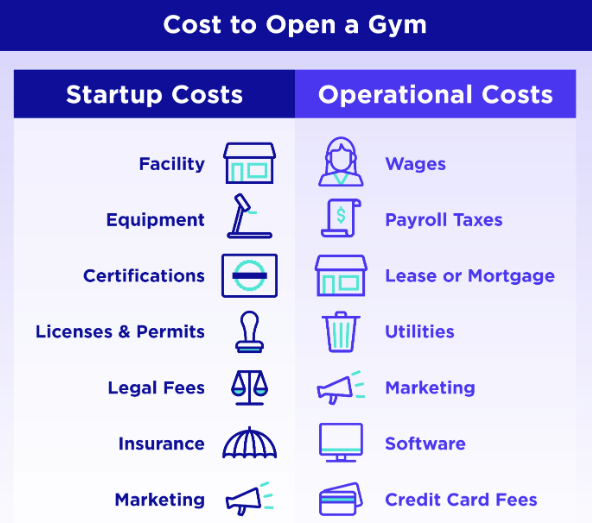
Image Source: wod.guru
Laying the Groundwork: Your Gym Business Plan
A well-crafted gym business plan is the bedrock of your success. It’s more than just a document; it’s your roadmap. This plan will help you secure funding, guide your decisions, and keep you focused on your goals.
Defining Your Niche and Target Audience
What kind of gym will you open? A general fitness center, a specialized fitness studio startup (like yoga, CrossFit, or spin), or a boutique gym? Your niche will shape your equipment choices, pricing, and marketing.
Consider who you want to serve:
* Young professionals: Often seek convenient hours and trendy classes.
* Families: May want childcare options and diverse fitness programs.
* Seniors: Could benefit from low-impact classes and accessible facilities.
* Athletes: Require specialized training equipment and performance-focused programs.
Your target audience will influence every aspect of your business, from your gym marketing strategy to your member amenities.
Market Research: Knowing Your Competition and Community
Before you start opening a gym, investigate the local market.
* Analyze existing gyms: What are their strengths and weaknesses? What are their membership prices? What classes do they offer?
* Identify gaps: Is there a demand for a specific type of fitness that isn’t being met?
* Assess community needs: What are people in your chosen area looking for in a fitness facility?
This research will help you differentiate your gym and create a compelling offering.
Choosing the Right Location
Location is paramount for gym ownership.
* Accessibility: Is it easy to get to? Is there ample parking?
* Visibility: Can people see your gym easily?
* Demographics: Does the area align with your target audience?
* Competition: How close are other gyms?
Consider leasing or buying a space. Factors like square footage, layout potential, and zoning regulations are crucial.
Crafting Your Financial Blueprint: Gym Financing and Investment
Securing adequate gym financing is a critical step. Your initial investment will cover startup costs and provide operating capital.
Estimating Startup Costs
These are the expenses you’ll incur before opening your doors.
| Cost Category | Estimated Range | Notes |
|---|---|---|
| Leasehold Improvements | $20,000 – $200,000+ | Renovation, flooring, painting, bathrooms, reception area. |
| Gym Equipment | $50,000 – $500,000+ | Cardio machines, weight machines, free weights, functional gear. |
| Lease Deposit/Rent | $5,000 – $50,000 | First/last month’s rent and security deposit. |
| Licenses & Permits | $500 – $5,000 | Business licenses, health permits, etc. |
| Insurance | $2,000 – $10,000 | General liability, professional liability, property insurance. |
| Marketing & Branding | $5,000 – $25,000 | Website, signage, initial ad campaigns. |
| Technology | $2,000 – $10,000 | POS system, membership software, audio/visual. |
| Working Capital | $20,000 – $100,000+ | Covers initial operating expenses before revenue stabilizes. |
| Contingency Fund | 10-20% of Total | For unexpected costs. |
Total Estimated Startup Costs: $104,500 – $900,000+ (This can vary wildly based on gym size and services.)
Gym Equipment Investment: Quality vs. Cost
Your gym equipment investment is a significant outlay.
* New vs. Used: New equipment offers warranties and the latest technology but is more expensive. Used equipment can be a smart way to save, but inspect it thoroughly.
* Leasing vs. Buying: Leasing allows you to spread the cost over time and update equipment more frequently, but you don’t own it. Buying outright is a larger upfront cost but builds equity.
* Essential Equipment:
* Cardio machines (treadmills, ellipticals, bikes, rowers)
* Strength training machines (selectorized and plate-loaded)
* Free weights (dumbbells, barbells, weight plates)
* Functional training equipment (kettlebells, resistance bands, TRX)
* Stretching and recovery tools
Securing Gym Financing Options
- Personal Savings: Using your own money shows commitment.
- Loans:
- SBA Loans: Government-backed loans with favorable terms.
- Bank Loans: Traditional business loans requiring a strong credit history and business plan.
- Equipment Financing: Loans specifically for purchasing gym equipment.
- Investors: Angel investors or venture capitalists might invest in exchange for equity.
- Crowdfunding: Raising small amounts from many people, often through online platforms.
Building Your Facility: Gym Operational Costs and Setup
Once you have the finances in place, it’s time to set up your physical space.
Leasehold Improvements and Design
- Layout: Design a flow that optimizes space and member experience. Consider dedicated areas for cardio, weights, functional training, and classes.
- Flooring: Choose durable and appropriate flooring for different zones (e.g., rubber for weight areas, resilient flooring for cardio).
- Amenities: Think about locker rooms, showers, restrooms, a reception area, and potentially a juice bar or lounge.
- Lighting and Ventilation: Good lighting and air circulation are crucial for a pleasant environment.
Purchasing and Installing Gym Equipment
- Supplier Relationships: Build relationships with reputable gym equipment suppliers.
- Delivery and Installation: Ensure professional delivery and installation to avoid damage and ensure proper setup.
- Maintenance Schedule: Plan for regular maintenance to keep equipment in top condition and prevent costly breakdowns.
Technology Integration
- Membership Management Software: Essential for tracking members, billing, class bookings, and communication.
- Point of Sale (POS) System: For handling sales of merchandise, supplements, or services.
- Audio-Visual Systems: For music, class instruction, and potentially TVs.
- Security Systems: Cameras and access control.
Driving Growth: Gym Marketing Strategy and Revenue Streams
Attracting and retaining members is key to your fitness industry business. A strong gym marketing strategy is vital.
Developing Your Gym Marketing Strategy
- Online Presence:
- Website: Professional, mobile-friendly, with clear information about services, pricing, and staff.
- Social Media: Engage on platforms like Instagram, Facebook, and TikTok. Share success stories, workout tips, and behind-the-scenes content.
- Local SEO: Optimize your Google My Business profile and local directory listings.
- Online Advertising: Utilize Google Ads and social media ads targeting your local demographic.
- Offline Marketing:
- Local Partnerships: Collaborate with local businesses (health food stores, sports apparel shops).
- Community Events: Sponsor or participate in local health fairs, races, or charity events.
- Referral Programs: Incentivize current members to bring in new ones.
- Grand Opening Event: Create buzz and attract initial sign-ups.
- Signage: Clear and attractive exterior signage.
Diversifying Gym Revenue Streams
While membership fees are the primary income source, consider other avenues:
* Personal Training: Offer one-on-one or small group training sessions.
* Group Fitness Classes: Charge extra for specialized or premium classes.
* Merchandise Sales: Branded apparel, water bottles, supplements.
* Nutrition Coaching: Provide personalized dietary advice.
* Juice Bar/Café: Offer healthy snacks and drinks.
* Workshops and Events: Host specialized training workshops or social events.
* Corporate Wellness Programs: Partner with local companies to offer fitness benefits to their employees.
* Day Passes/Drop-in Fees: For non-members wanting to try out the facility.
Managing Your Business: Operations and Staffing
Efficient operations and a dedicated team are crucial for long-term success.
Understanding Gym Operational Costs
Beyond initial startup, consider ongoing gym operational costs:
* Rent/Mortgage: Monthly property expenses.
* Utilities: Electricity, water, gas, internet.
* Staff Salaries: Trainers, front desk staff, cleaning crew.
* Marketing & Advertising: Ongoing campaigns.
* Equipment Maintenance & Repair: Regular upkeep.
* Software Subscriptions: For membership management, accounting, etc.
* Insurance Premiums: Annual or monthly payments.
* Cleaning & Janitorial Supplies: Maintaining hygiene.
* Taxes: Business taxes, payroll taxes.
Hiring and Managing Staff
- Qualified Trainers: Hire certified and experienced personal trainers and group fitness instructors.
- Front Desk Staff: Friendly and organized individuals who can manage memberships, greet members, and handle inquiries.
- Management Team: If your gym grows, you’ll need managers to oversee different departments.
- Training and Development: Invest in ongoing training for your staff to keep them updated on fitness trends and customer service best practices.
- Customer Service Culture: Foster an environment where excellent customer service is a priority for every staff member.
Legal and Administrative Essentials
Navigating the legal landscape is as important as any other aspect of gym ownership.
Legal Structure and Registration
- Business Structure: Choose a legal structure (Sole Proprietorship, Partnership, LLC, Corporation) that best suits your needs for liability and taxation. Consult with a legal professional.
- Business Registration: Register your business name and obtain an Employer Identification Number (EIN) from the IRS if applicable.
Licenses, Permits, and Insurance
- Local and State Licenses: Obtain all necessary business licenses and permits required by your city and state.
- Health and Safety Permits: Ensure compliance with health and safety regulations.
- Insurance:
- General Liability Insurance: Covers accidents and injuries that occur on your premises.
- Professional Liability Insurance (Errors & Omissions): Protects against claims of negligence related to training advice or services.
- Property Insurance: Covers damage to your building and equipment.
- Workers’ Compensation Insurance: If you have employees.
Contracts and Waivers
- Membership Agreements: Clearly outline terms, conditions, pricing, cancellation policies, and liability.
- Liability Waivers: Require all members and class participants to sign a waiver acknowledging the risks associated with exercise. Consult a lawyer to ensure your waivers are legally sound.
Sustaining Success: Long-Term Growth and Adaptation
The fitness industry business is dynamic. To thrive, you need to adapt and plan for the future.
Member Retention Strategies
- Community Building: Foster a welcoming and supportive atmosphere. Organize member events or challenges.
- Personalized Experience: Encourage trainers to build rapport with members and offer personalized advice.
- Feedback Mechanisms: Regularly solicit feedback from members and act on it.
- Loyalty Programs: Reward long-term members.
- Variety in Programming: Keep class schedules and offerings fresh and exciting.
Staying Ahead of Trends
- Emerging Fitness Trends: Stay informed about new workout styles, equipment, and technologies.
- Technology Adoption: Consider integrating wearable tech compatibility or virtual fitness options.
- Health and Wellness Focus: Expand services to include holistic wellness, such as mindfulness or recovery services.
Financial Management and Growth
- Regular Financial Reviews: Monitor your income statements, balance sheets, and cash flow regularly.
- Budgeting and Forecasting: Create realistic budgets and forecasts to manage expenses and plan for future investments.
- Expansion: If successful, consider opening additional locations or expanding your service offerings.
Frequently Asked Questions (FAQ)
Q1: What is the biggest challenge when opening a gym?
A1: The biggest challenge is often securing sufficient startup capital and then consistently attracting and retaining members in a competitive market. Managing operational costs effectively is also a significant hurdle.
Q2: How much money do I need to open a small gym?
A2: To open a small, basic gym, you might need anywhere from $50,000 to $200,000, depending heavily on the location, leasehold improvements, and the quality and quantity of equipment you purchase. Larger, more specialized facilities will require substantially more.
Q3: Can I make a good living owning a gym?
A3: Yes, you can make a good living owning a gym, but it requires hard work, smart business management, effective marketing, and a focus on member satisfaction. Profitability often increases as your membership base grows and you diversify revenue streams.
Q4: What type of insurance is essential for a gym?
A4: Essential insurance includes General Liability, Professional Liability (for trainers), and Property Insurance. Workers’ Compensation is also crucial if you have employees.
Q5: How do I find good gym staff?
A5: Look for individuals with relevant certifications, experience, a passion for fitness, and excellent customer service skills. Networking within the fitness community and using specialized recruitment platforms can be helpful.
Opening a gym is a demanding but potentially rewarding venture. By meticulously planning your gym business plan, securing the right gym financing, investing wisely in gym equipment, and implementing a robust gym marketing strategy, you can build a successful fitness industry business. With dedication and a focus on your members, gym ownership can be a fulfilling career path.