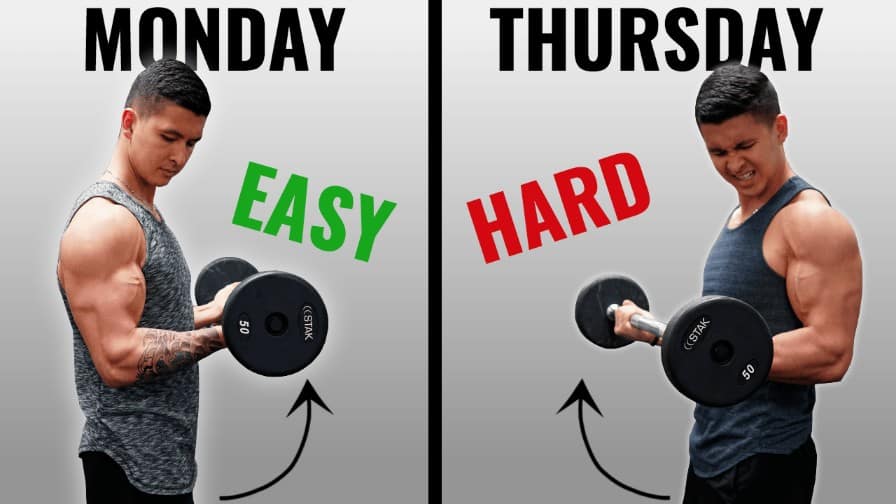
Image Source: builtwithscience.com
Why Am I Weaker Some Days In The Gym? Causes Explained
It’s a frustrating but common experience: some days you feel like a superhero in the gym, lifting heavier and pushing harder, while other days feel like a battle just to get through your workout. You might be asking, “Why am I weaker some days in the gym?” This fluctuation in strength and performance is normal and can be attributed to a variety of factors affecting your body’s ability to perform. These can range from how well you’ve recovered to what you’ve eaten, how much you’ve slept, and even your stress levels. Understanding these influences is key to consistent progress and avoiding burnout.
Fathoming Your Daily Strength Fluctuations
The human body is a complex system. It doesn’t operate on a perfect, consistent schedule. Think of it like a car – sometimes it runs smoothly, and other times it needs a tune-up. The same applies to your ability to lift weights or perform other strength exercises. What you did yesterday, last week, or even two weeks ago can influence how strong you feel today.
Several key areas contribute to these daily shifts in perceived strength and actual performance. Let’s explore them.
The Critical Role of Muscle Recovery
Muscle recovery is perhaps the most significant factor influencing your gym performance. When you lift weights, you create microscopic tears in your muscle fibers. This is a normal part of the training process. Your body then works to repair these tears, making the muscles stronger and more resilient. If this repair process isn’t complete, you’ll feel weaker.
Factors Influencing Muscle Recovery
- Rest Between Sets: The time you spend resting between your sets directly impacts how quickly your muscles can recover and be ready for the next effort. Longer rest periods allow for better ATP (adenosine triphosphate) regeneration, the primary energy currency for muscle contractions.
- Rest Days: Your muscles don’t grow or get stronger during your workout; they do so after your workout, during rest. Adequate rest days are crucial. Pushing too hard without enough recovery time can lead to overtraining syndrome.
- Active Recovery: Light activities like walking, stretching, or foam rolling on rest days can promote blood flow to your muscles, which can aid in the removal of metabolic byproducts and deliver nutrients for repair.
How Poor Recovery Manifests
- Lingering Soreness: Persistent and intense muscle soreness (DOMS – Delayed Onset Muscle Soreness) that lasts for more than 48-72 hours is a strong indicator of insufficient recovery.
- Reduced Range of Motion: Stiff and tight muscles can limit your ability to move through the full range of motion, affecting exercise form and strength.
- Decreased Performance: You might find you can’t lift the same weights, do as many reps, or feel as powerful as you did in previous sessions.
The Shadow of Overtraining Syndrome
Overtraining syndrome is a state where your body is subjected to excessive stress without adequate recovery. It’s more than just feeling a bit tired; it’s a detrimental physiological and psychological condition that can severely impact your athletic performance and overall well-being.
Signs of Overtraining Syndrome
- Persistent Fatigue: Feeling constantly tired, even after rest.
- Decreased Performance: A noticeable drop in strength, endurance, or speed.
- Increased Injury Risk: Your body is less able to cope with the demands placed upon it.
- Mood Disturbances: Irritability, anxiety, or depression.
- Sleep Disturbances: Difficulty falling asleep or staying asleep.
- Loss of Appetite: A general lack of desire to eat.
- Increased Resting Heart Rate: Your heart rate may be elevated even when you’re at rest.
Avoiding Overtraining
The best way to avoid overtraining is through smart training. This involves listening to your body, incorporating rest days, and varying your workout intensity.
The Profound Impact of Sleep Deprivation
Sleep deprivation is a silent killer of gym performance. During sleep, your body releases growth hormone, which is essential for muscle repair and growth. It also helps regulate cortisol, a stress hormone. When you don’t get enough quality sleep, these processes are disrupted.
How Sleep Affects Your Strength
- Muscle Repair: Lack of sleep hinders protein synthesis, the process by which your body builds and repairs muscle tissue.
- Hormonal Balance: Insufficient sleep can lead to elevated cortisol levels, which can break down muscle tissue and increase fat storage. It can also reduce testosterone levels, crucial for muscle growth and strength.
- Cognitive Function: Being tired impairs your focus, reaction time, and ability to coordinate movements, all of which are vital for safe and effective training.
- Energy Levels: You simply won’t have the energy to perform at your best when you’re sleep-deprived.
Aiming for Optimal Sleep
- Consistent Schedule: Go to bed and wake up around the same time each day, even on weekends.
- Create a Relaxing Bedtime Routine: Avoid screens before bed, take a warm bath, or read a book.
- Optimize Your Sleep Environment: Make sure your bedroom is dark, quiet, and cool.
- Limit Caffeine and Alcohol: Especially in the hours leading up to bedtime.
The Cornerstone of Nutrition Deficiencies
What you eat is the fuel that drives your workouts. Nutrition deficiencies can significantly impact your strength and energy levels. Your body needs a variety of macronutrients (proteins, carbohydrates, fats) and micronutrients (vitamins and minerals) to function optimally.
Key Nutrients for Strength
- Protein: Essential for muscle repair and growth. Insufficient protein intake means your body can’t effectively rebuild muscle tissue after exercise.
- Carbohydrates: Provide the primary source of energy for your muscles during high-intensity exercise. Not enough carbs can leave you feeling sluggish.
- Fats: Important for hormone production, including testosterone, which plays a role in muscle growth and strength.
- Micronutrients: Vitamins like B vitamins, vitamin D, and minerals like iron, magnesium, and zinc are critical for energy metabolism, muscle function, and recovery. Deficiencies in these can lead to reduced performance.
Recognizing Deficiencies
- General Fatigue: Feeling tired all the time.
- Poor Recovery: Muscles taking a long time to recover.
- Weakness: A general decrease in strength.
- Changes in Hair, Skin, or Nails: Can indicate micronutrient deficiencies.
Ensuring Adequate Nutrition
- Balanced Diet: Consume a variety of whole, unprocessed foods.
- Protein Sources: Include lean meats, poultry, fish, eggs, dairy, legumes, and plant-based protein powders.
- Complex Carbohydrates: Opt for whole grains, fruits, and vegetables.
- Healthy Fats: Include avocados, nuts, seeds, and olive oil.
- Hydration: Crucial for nutrient transport and overall bodily function.
The Subtle Influence of Hydration Levels
Hydration levels are often overlooked but are fundamental to performance. Water is involved in virtually every bodily process, including muscle function and energy production. Even mild dehydration can lead to a noticeable drop in strength.
How Dehydration Affects Strength
- Reduced Blood Volume: When you’re dehydrated, your blood volume decreases. This means your heart has to work harder to pump blood to your muscles, delivering oxygen and nutrients.
- Impaired Muscle Function: Water is crucial for the electrolyte balance needed for proper muscle contractions.
- Increased Perceived Exertion: Dehydration can make your workouts feel much harder than they actually are.
- Heat Regulation Issues: Your body’s ability to cool itself through sweat is compromised, increasing the risk of heat-related illness and reducing performance.
Staying Properly Hydrated
- Drink Water Consistently: Don’t wait until you’re thirsty. Sip water throughout the day.
- Monitor Urine Color: Pale yellow urine is a good indicator of proper hydration.
- Increase Intake During Exercise: Drink more water before, during, and after your workouts, especially in hot conditions.
- Electrolytes: For prolonged or intense workouts, consider drinks with electrolytes to replenish lost salts.
The Pervasive Stress Impact
The mind and body are intrinsically linked. High levels of stress, whether from work, personal life, or even intense training itself, can negatively impact your gym performance.
Stress and Your Body
- Cortisol Release: Chronic stress leads to elevated cortisol levels. As mentioned earlier, cortisol is a catabolic hormone, meaning it can break down muscle tissue for energy.
- Reduced Motivation and Focus: Stress can sap your mental energy, making it harder to focus on your workout and push yourself.
- Impaired Recovery: Your body prioritizes dealing with stress over muscle repair when under prolonged pressure.
- Sleep Disturbances: Stress is a common cause of poor sleep, further compounding the problem.
Managing Stress for Better Performance
- Mindfulness and Meditation: Regular practice can help reduce stress hormones.
- Deep Breathing Exercises: Simple techniques can calm your nervous system.
- Time Management: Organizing your life can reduce feelings of overwhelm.
- Adequate Rest: Prioritizing sleep and recovery is crucial.
- Light Activity: Gentle exercise like walking or yoga can be stress relievers.
The Dance of Hormonal Fluctuations
Our bodies are constantly influenced by a delicate balance of hormones. Fluctuations in these hormones can directly affect how strong you feel on any given day.
Key Hormones and Their Role
- Testosterone: This is a primary anabolic hormone responsible for muscle growth and strength. Levels can fluctuate based on sleep, diet, stress, and training cycles.
- Cortisol: As discussed, high cortisol levels are detrimental to muscle building.
- Thyroid Hormones: These regulate metabolism. Imbalances can affect energy levels and body composition.
- Estrogen (in women): Estrogen levels vary throughout the menstrual cycle. Some women report feeling stronger and more energetic during certain phases of their cycle, while others experience fatigue or reduced performance during others.
Navigating Hormonal Cycles
- Listen to Your Body: Pay attention to how you feel at different times of the month.
- Adjust Training: You might adjust the intensity or volume of your workouts based on how you’re feeling. For example, opting for lighter weights or focusing on technique when hormone levels might be less favorable for peak performance.
- Maintain Healthy Lifestyle: Proper sleep, nutrition, and stress management help keep hormone levels balanced.
The Nuance of Workout Intensity
The workout intensity you employ on a given day, and how it relates to your overall training program, plays a significant role in perceived strength.
Intensity and Performance
- Progressive Overload: To get stronger, you need to progressively challenge your muscles. This means gradually increasing the weight, reps, sets, or decreasing rest times.
- Intensity vs. Volume: Sometimes, feeling weaker might be a sign that you’ve recently performed a high-intensity workout, and your muscles are still recovering. Or, it could mean you haven’t pushed hard enough recently to stimulate a significant adaptation.
- Peaking: For advanced athletes, specific periodization strategies are used to “peak” for a competition or a personal best attempt. This involves strategically reducing training volume and intensity before a peak performance day, making them feel exceptionally strong.
Periodization: A Structured Approach
Periodization is the systematic planning of training, dividing it into phases, each with specific goals and intensities.
- Macrocycles: Long-term training plans (e.g., a year).
- Mesocycles: Medium-term plans (e.g., 4-6 weeks).
- Microcycles: Short-term plans (e.g., a week).
By varying intensity and volume across these cycles, athletes can manage fatigue, optimize recovery, and achieve peak performance at the right times. If your current training isn’t periodized well, you might experience more frequent dips in strength.
Putting It All Together: A Holistic View
It’s rarely just one thing causing you to feel weaker on certain days. It’s usually a combination of these factors.
Table 1: Factors Affecting Daily Gym Performance
| Factor | How It Impacts Strength |
|---|---|
| Muscle Recovery | Incomplete repair leads to less muscle power and increased fatigue. |
| Overtraining | Pushing too hard without rest depletes resources, leading to consistent drops in performance and increased injury risk. |
| Sleep Deprivation | Hinders muscle repair, hormonal balance, and cognitive function, reducing energy and focus. |
| Nutrition | Lack of fuel (carbs) or building blocks (protein) impairs energy and muscle rebuilding. |
| Hydration | Dehydration reduces blood volume, impairs muscle function, and increases perceived exertion. |
| Stress | Elevated cortisol can break down muscle, while mental fatigue reduces motivation and focus. |
| Hormonal Fluctuations | Imbalances in hormones like testosterone or estrogen can affect energy and muscle-building capacity. |
| Workout Intensity | Too much or too little intensity, without proper periodization, can lead to fatigue or lack of stimulus. |
Common Scenarios and Solutions
Let’s look at some everyday situations and how these factors might apply.
-
Scenario 1: The Post-Weekend Slump
- Possible Causes: Late nights, poor food choices, and perhaps not enough hydration levels over the weekend.
- Solution: Get back on track with your sleep, nutrition, and water intake immediately. Don’t skip your workout; adjust the intensity if needed, focusing on good form.
-
Scenario 2: Feeling Weak Mid-Week
- Possible Causes: Intense training earlier in the week that hasn’t allowed for sufficient muscle recovery. Or perhaps a stressful day at work affecting cortisol levels.
- Solution: Prioritize rest and nutrition. Consider an active recovery session or a lighter, technique-focused workout rather than a heavy lifting day.
-
Scenario 3: Plateauing Strength
- Possible Causes: Lack of progressive overload, insufficient nutrition deficiencies, or a need for a deload week (a planned period of reduced training intensity and volume).
- Solution: Review your training program. Ensure you are progressively overloading. Check your diet for any gaps. Consider implementing periodization and planned deload weeks.
FAQs About Strength Fluctuations
Q1: Is it normal to feel weaker on certain days?
A: Yes, it is very normal. Your body is influenced by many factors, so consistent, peak performance every single day is unrealistic.
Q2: Can my menstrual cycle affect my gym strength?
A: For many women, yes. Hormonal fluctuations throughout the menstrual cycle can impact energy levels, strength, and recovery. Some may feel stronger during certain phases and weaker during others.
Q3: Should I skip the gym if I feel weaker?
A: Not necessarily. If you feel slightly less strong, you can often adjust the intensity or focus on technique. However, if you feel excessively fatigued, sore, or have any signs of illness or overtraining syndrome, taking a rest day is wise.
Q4: How much protein do I need daily for muscle growth?
A: A common recommendation for active individuals looking to build muscle is around 1.6 to 2.2 grams of protein per kilogram of body weight per day. However, this can vary.
Q5: What’s the best way to improve my sleep for better gym performance?
A: Focus on consistency in your sleep schedule, create a relaxing bedtime routine, ensure your sleep environment is conducive to rest, and avoid stimulants like caffeine close to bedtime.
Q6: Can I push through the weakness or will it make me stronger?
A: Pushing through minor fatigue can sometimes be beneficial if it’s a mental barrier. However, pushing through significant fatigue or pain due to poor recovery can lead to injury or exacerbate overtraining syndrome. Listen to your body.
Q7: How long does muscle recovery typically take?
A: This varies depending on the intensity of the workout, individual genetics, age, and lifestyle factors like sleep and nutrition. Generally, mild muscle soreness can last 24-48 hours, but deeper tissue repair and nervous system recovery can take longer, sometimes up to 72 hours or more for very intense sessions.
Q8: What are the first signs of dehydration I should watch out for?
A: Early signs of dehydration include thirst, dry mouth, reduced urine output, and darker urine color. As it progresses, you might experience fatigue, dizziness, and reduced cognitive function.
By paying attention to these fundamental aspects of your health and training, you can better navigate the ebb and flow of your gym performance, leading to more consistent progress and a healthier relationship with exercise.