Many people watch gymnasts flip, twist, and balance and wonder how they do it. People often ask, “Why is gymnastics so hard?” It’s widely considered one of the toughest sports on Earth because it demands a perfect mix of extreme physical power, intense mental strength, difficult skills, and constant control, along with a very high risk of getting hurt. It pushes athletes to their absolute limit every single day, asking them to defy gravity while performing amazing feats with grace and precision.
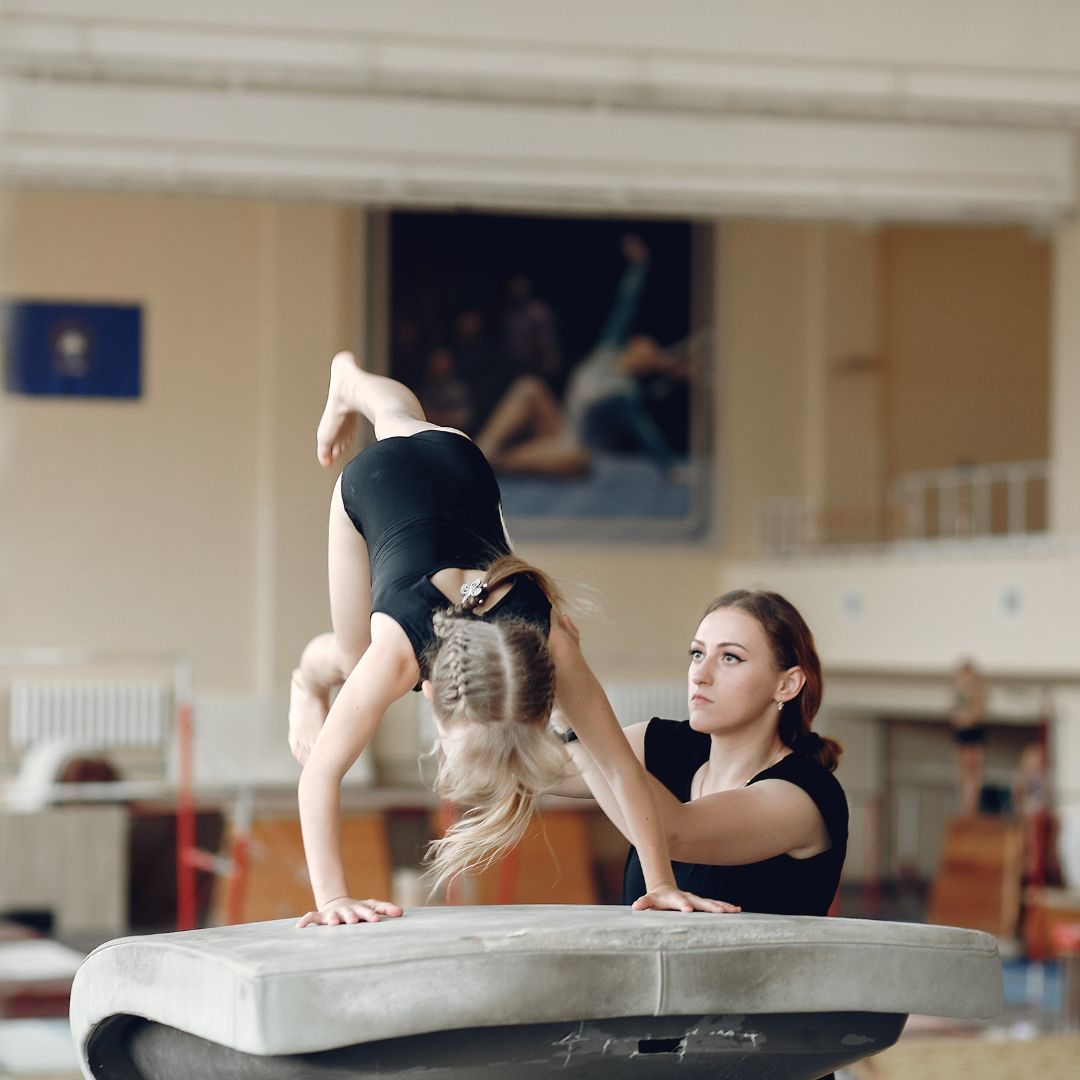
Image Source: www.thevegagym.com
Grasping the Physical Power Needed
Gymnastics is not just about being bendy or flexible. It asks the body to be incredibly strong and powerful. Gymnasts need brute force in their muscles to hold positions, push off equipment, and control their body in the air. This involves serious physical demands gymnastics.
Body Power From Head to Toe
Every single muscle group gets used. Arms and shoulders must support the body’s full weight. Legs must jump high and land safely. The core muscles must be like steel to keep the body tight and controlled during flips and twists.
- Arms strong like beams
- Shoulders that can hold up a house
- Legs that spring like coils
- A core hard as rock
Think about holding yourself upside down on rings or doing a handstand on a thin beam. It takes immense upper body and core strength. Tumblers need explosive power in their legs for passes. All gymnasts need endurance too. Routines might only last 30 to 90 seconds, but they are max effort the entire time.
Practice Every Day: Gymnastics Training Intensity
Becoming a top gymnast takes thousands of hours of practice. The gymnastics training intensity is off the charts. Young gymnasts often train 4-6 hours a day, 5-6 days a week. That’s more than many adults work a full-time job!
Years and Years of Hard Work
Training starts very young, sometimes as early as age 3 or 4. By the time they reach their teens, gymnasts have spent more time in the gym than most people spend in school. This constant practice builds the necessary strength, skill, and discipline.
- Early morning practices
- Late nights in the gym
- Training through pain
- Repeating skills hundreds of times
This intense schedule is needed to master the complex moves and keep the body in peak condition. It’s a full-time job before they are even old enough to drive.
The High Chance of Getting Hurt: Risk of Injury Gymnastics
Gymnastics looks beautiful, but it is dangerous. The risk of injury gymnastics faces is incredibly high. Flipping high in the air, landing on hard surfaces, or falling from equipment can cause serious harm.
Common Hurts
Gymnasts deal with pain and injuries all the time. Some are small, like sprains or bruises. Others are very serious, like broken bones, torn ligaments, or head injuries. The impact forces on their joints during landings are huge, sometimes up to 10-15 times their body weight.
- Wrist and ankle injuries
- Knee problems (like ACL tears)
- Back pain and stress fractures
- Shoulder dislocations
Pushing the body to its limits every day increases the risk. Gymnasts learn to manage pain and often compete while not 100% healthy, which makes the risk even higher.
Body Working Together: Flexibility Strength Coordination Gymnastics
It’s not enough to just be strong. Gymnastics demands that flexibility strength coordination gymnastics are all working together perfectly, every second.
Bending, Powering, Moving Right
- Flexibility: Gymnasts need amazing flexibility to do splits, backbends, and hold positions like the ‘needle’ or ‘splits’. This range of motion is needed for both skill performance and injury prevention.
- Strength: As discussed, immense strength is vital for supporting weight, generating power, and holding positions.
- Coordination: This is key. The body must move in perfect time and space. Flipping, twisting, and landing requires incredible body awareness and control of multiple body parts at once.
Imagine doing a complex tumbling pass. You need the leg strength to jump, the core strength to stay tight, the flexibility to arch, the coordination to twist correctly, and the body control to land on your feet. Missing one piece means failure or injury.
Crazy Hard Moves: Difficulty Level Gymnastics Skills
The difficulty level gymnastics skills perform is mind-boggling. They don’t just jump or run; they twist multiple times while flipping high in the air, land perfectly on narrow beams, or perform complex sequences of holds and swings on bars.
Skills With Big Names
Skills have point values based on how hard they are. Elite skills involve double or triple flips with multiple twists. On beam, gymnasts do acrobatic passes and dismounts that would be hard enough on the floor.
- Triple back tuck (tumbling)
- Produnova (vault – double front somersault)
- Triple twisting double layout (floor exercise dismount)
- Full-twisting double layout dismount (uneven bars)
- Triple back dismount (still rings)
Each new skill takes hundreds or thousands of tries to learn. It requires breaking down complex movements into tiny steps and mastering each one before putting them together.
Handling the Fear: Fear Management Gymnastics
Perhaps the hardest part is the mind. Fear management gymnastics is essential. Gymnasts perform skills that are inherently scary. They jump off high bars, flip backward without seeing the landing, and balance on surfaces just 4 inches wide.
Battling the Brain
Fear is a natural response to doing dangerous things. Gymnasts must learn to control this fear. They have to trust their training, their coaches, and their own bodies completely. One moment of doubt can lead to a mistake or a fall.
- Overcoming fear of heights
- Dealing with the feeling of being out of control in the air
- Trusting complex rotations
- Handling the pressure of competition
Coaches help gymnasts work through fear using drills, progressions, and mental strategies. But ultimately, the gymnast has to choose to go for the skill, even when their brain is telling them it’s dangerous. This constant mental battle is exhausting.
Being Perfect: Precision Balance Gymnastics
Gymnastics is judged on how close to perfect the routine is. This needs extreme precision balance gymnastics. Every hand placement, every foot position, every angle matters.
Small Mistakes Cost Big
On the balance beam, which is only 4 inches wide, gymnasts must perform flips, turns, and poses that require pinpoint accuracy. A tiny wobble can cost points. Landing tumbling passes with feet exactly together, swinging bars with perfect timing, or holding still rings positions without shaking all require incredible control.
- Landing perfectly on a line
- Balancing on a narrow beam
- Holding body shapes still
- Hitting handstands exactly upright
Judges look for even small flaws. This focus on absolute perfection adds huge pressure and demands constant attention to detail during training and competition.
The Engine Room: Gymnastics Conditioning
Beyond practicing skills, gymnasts spend a lot of time on gymnastics conditioning. This is the hard work that builds the base of strength, power, and endurance needed for the sport.
Building the Body
Conditioning includes many exercises designed to make muscles strong and powerful. This is not just lifting weights, though that can be part of it. It involves bodyweight exercises that build functional strength – the kind of strength needed to actually do gymnastics.
- Push-ups and pull-ups
- Sit-ups and leg lifts (core work)
- Rope climbs
- Handstand holds
- Jump training
This conditioning is often done at the end of long practices when the gymnast is already tired. It builds not only physical strength but also mental toughness, pushing them when they are exhausted.
Setting Up the Body: Flexibility and Mobility
Being strong is vital, but so is being able to move the body through a full range of motion without getting hurt. This needs high levels of flexibility strength coordination gymnastics.
Getting Bendy and Mobile
Flexibility allows gymnasts to create the shapes and lines required in skills and poses. Mobility ensures joints can move freely and safely.
- Deep stretches for legs, back, and shoulders
- Splits and straddles
- Back bends and bridges
- Using resistance bands and foam rollers
This focus on flexibility and mobility helps prevent injuries and allows for bigger, more complex movements. It’s a painful but necessary part of daily training.
Seeing How It Stacks Up: Comparing Sports Difficulty Gymnastics
It’s always tricky to say definitively which sport is the hardest, as different sports demand different things. But when comparing sports difficulty gymnastics is almost always at the top of the list or very near it.
Other Tough Sports
Think about sports known for being hard:
- Wrestling: Demands incredible strength, endurance, and technique, but less acrobatic skill and no equipment to fall from.
- Swimming: Requires immense endurance and power, but performed in water which is less impactive and allows for breathing.
- Decathlon/Heptathlon: Tests a wide range of athletic abilities, but typically less extreme skill difficulty in any single event compared to elite gymnastics skills.
- Boxing: High physical demand, requires power, speed, and taking hits, but different type of coordination and no high-flying skills.
- Figure Skating: High skill difficulty, requires flexibility, strength, and balance, includes jumps and spins. Similar elements to gymnastics but on ice with skates.
- Diving: Involves complex flips and twists from heights, requires courage and body control. Similar skill type to gymnastics but limited to entry into water.
Why Gymnastics Stands Apart
Gymnastics combines the highest demands of many sports into one:
- Strength: Like wrestling or weightlifting.
- Flexibility: Like figure skating or dance.
- Coordination & Balance: Like figure skating or surfing, but on tiny surfaces or in the air.
- Power: Like sprinting or jumping sports.
- Fear: Like high diving or extreme sports.
- Precision: Like shooting or archery, but while moving at high speed.
- Training Time & Intensity: Rivals few other sports.
- Injury Risk: Among the highest.
It’s the unique combination of requiring all these things at an elite level, performed with technical perfection, under intense pressure, often defying gravity, that makes a strong case for gymnastics being arguably the hardest sport. You can be the strongest person, but if you can’t balance, you can’t do beam. You can be the most flexible, but without power, you can’t tumble. You need it all, perfectly tuned.
Deciphering the Code of Gymnastics Perfection
Getting to the top in gymnastics means mastering an incredibly complex code of movement and technique. It’s about more than just doing the skill; it’s about doing it right. Difficulty level gymnastics skills aren’t just hard because of the flips; they’re hard because of the rules and execution judges look for.
Judging the Details
Every routine is judged on two main things: difficulty (what skills you do) and execution (how well you do them). You get points for the hard skills, but points are taken away for mistakes in form, landings, lines, and angles.
- Bent knees or elbows
- Legs separating during twists
- Not hitting handstand perfectly
- Landing with steps or falls
- Not holding positions long enough
- Lack of pointed toes or straight legs
This focus on minute detail means gymnasts must train their bodies to move in specific, often unnatural ways, with complete control and body tension. It requires intense focus and repetition to make these perfect shapes automatic.
The Relentless Pursuit: Gymnastics Conditioning and Preparation
The physical strength needed for gymnastics doesn’t just appear. It’s built through endless hours of gymnastics conditioning. This is the backbone of their physical ability.
More Than Just Sit-Ups
Conditioning for gymnastics is specific. It targets the exact muscle groups and types of strength needed.
- Isometric Holds: Holding positions like handstands, L-sits, or iron crosses on rings builds static strength and body control.
- Explosive Power: Exercises like box jumps, sprints, and plyometrics build the quick, strong movements needed for tumbling and vault.
- Core Strength: V-ups, hollow holds, arch holds – the core is central to almost every gymnastics skill, providing stability and power transfer.
- Grip Strength: Hanging, climbing, and bar specific exercises build the hand and forearm strength needed for bars and rings.
This conditioning is often creatively integrated into practice, using the equipment itself or bodyweight exercises. It’s physically draining and pushes the athlete to the limit, day after day, year after year. This gymnastics training intensity is what builds the incredible physiques of gymnasts.
The Mental Game: Mental Toughness Gymnastics Needs
Beyond handling fear, mental toughness gymnastics requires is about focus, discipline, and handling pressure.
Strong Mind, Strong Routine
Gymnasts compete alone. When they are on the floor, beam, vault, or bars, it’s just them. They have to perform perfectly under the watchful eyes of judges, coaches, teammates, and a crowd. One mistake can ruin a score or a whole competition.
- Maintaining focus despite nerves
- Blocking out distractions
- Handling pressure to perform
- Recovering from mistakes (in practice or competition)
- Staying disciplined with training and diet
This mental strength is built through practice, experience, and working with coaches or sports psychologists. Gymnastics teaches incredible resilience. They learn to push through failure, frustration, and pain.
Bringing It All Together: Precision Balance Gymnastics and Performance
The goal of all the training is to perform routines with maximum precision balance gymnastics, difficulty, and artistry.
A Tightrope Walk of Skill
On the balance beam, where falls are common and costly, precision and balance are obvious needs. But they are just as important on other events.
- Vault: Hitting the springboard with the right power and angle, blocking off the vault table correctly, twisting and flipping with precision, and sticking the landing.
- Uneven Bars: Perfect timing and rhythm for swings and releases, hitting handstand positions precisely, catching the bar at the right moment, controlled dismount.
- Still Rings: Holding strength positions perfectly still (no shaking), swinging with control, powerful dismount.
- Floor Exercise: Landing tumbling passes within the lines, holding poses with perfect balance, synchronizing movements with music, executing leaps and turns with precision.
Every event demands this fine-tuned control and perfect execution. It’s a testament to the sheer difficulty and detailed demands of the sport.
The Constant Battle: Risk of Injury Gymnastics Faces Daily
Even with perfect technique and conditioning, the nature of the skills means risk of injury gymnastics is always present.
Training Through Pain
Gymnasts often deal with chronic pain from repetitive stress on their bodies. Micro-injuries are common. Deciding whether to push through pain or rest is a constant challenge for both gymnasts and coaches.
- Impact from landings damages joints over time.
- Repetitive motions cause stress fractures or tendonitis.
- High-flying skills always risk awkward landings or falls.
Managing health is a key part of a gymnast’s career, which is often cut short by injuries or the body simply wearing out from the intense demands. The bravery required to continue training and competing despite this inherent risk is a huge part of the sport’s difficulty.
The Full Picture: Why Gymnastics Stands Apart
When you look at all the pieces – the extreme physical demands gymnastics, the brutal gymnastics training intensity, the constant risk of injury gymnastics, the need for perfect flexibility strength coordination gymnastics, the insane difficulty level gymnastics skills, the absolute requirement for fear management gymnastics, and the demand for precision balance gymnastics – you start to see the full picture.
No single factor makes gymnastics the hardest sport. It’s the unique combination of needing all these elements at an extremely high level. You can’t just be strong; you must be strong and flexible and coordinated and fearless and precise, and train harder than almost anyone else, all while risking serious injury every day.
Comparing sports difficulty gymnastics makes a strong case for its top position because it asks for such a complete and extreme package of human ability – physical, mental, and technical – unlike almost any other sport.
It’s a sport that demands everything a person has to give, and then asks for more. That’s the brutal truth, and why it’s often called the hardest sport in the world.
Frequently Asked Questions
Is gymnastics the hardest sport physically?
Yes, many people argue that gymnastics is one of the most physically demanding sports. It needs extreme strength, power, flexibility, balance, and coordination, working together constantly.
What is the hardest skill in gymnastics?
This changes as gymnasts invent new skills. Some of the hardest include triple back somersaults in tumbling, the Produnova vault (double front somersault), or complex releases and twists on the high bar or uneven bars.
Do gymnasts have to be flexible?
Yes, flexibility is a major part of gymnastics. It’s needed for doing skills correctly, holding body shapes, and helps prevent injuries.
How many hours do gymnasts train?
Elite gymnasts often train 30-40 hours a week, sometimes more. This includes strength work, flexibility, and practicing skills on all the equipment.
Is gymnastics more mental or physical?
Gymnastics is both extremely mental and physical. You need incredible physical power, but you also need huge mental toughness to handle fear, pressure, and the demanding training schedule. They are equally important.