Can you exercise after Botox? No, you should not exercise right away after getting Botox. Most doctors tell you to wait for a short time before doing any hard exercise. This is important for the best results and to avoid problems.
Getting Botox is a popular way to smooth out lines on your face. It is a simple treatment. But what you do right after matters a lot. This includes moving your body. Many people wonder, “how long after botox can you exercise?” It is a key question. The answer is not “right away.” You need to give your body time. There are good reasons for this. You want the Botox to stay where it should. You also want to avoid problems like swelling or bruising. Knowing the rules helps keep your results looking good. It also keeps you safe. Let’s look at why you wait and when you can start moving again.
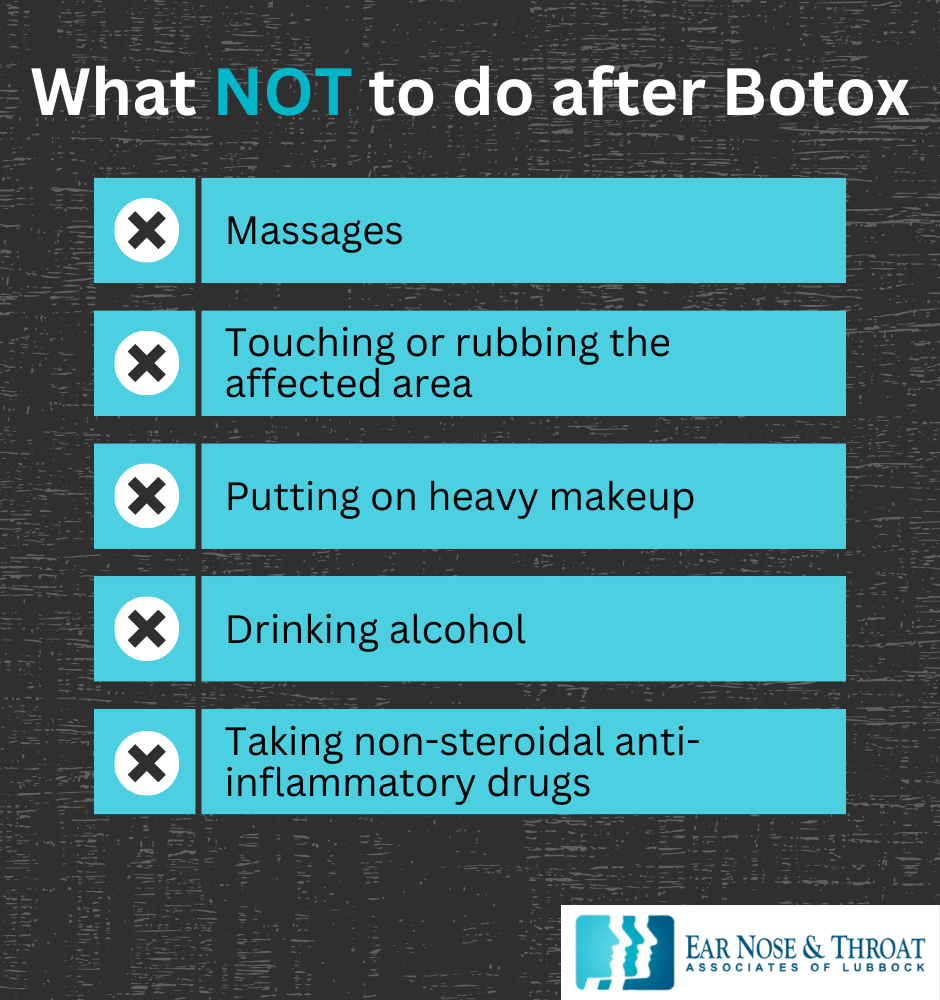
Image Source: www.entlubbock.com
Reasons to Avoid Movement After Botox
You might think moving your body does not affect your face. But it can. Botox is put into specific small muscles. It works by stopping those muscles from moving so much. This makes the skin above them look smoother. When you get the shots, the liquid Botox needs to settle. It needs time to attach to the right spots in the muscle.
Hard movement or exercise makes your body change in several ways. These changes can work against the Botox settling process.
Blood Flow Increase
When you exercise, your heart beats faster. This pumps more blood around your body. More blood goes to your face too. This extra blood flow is usually good. But right after Botox, it can cause issues. Increased blood flow might carry the Botox away from the spot it was put in. It could spread to nearby muscles. This could make the treatment less effective. Or it could affect muscles you did not want treated. This might lead to drooping eyelids or uneven results.
Higher Blood Pressure
Hard exercise raises your blood pressure for a short time. This is normal. But like increased blood flow, higher pressure can push the Botox around. It is better to keep your blood pressure calm right after your treatment.
Sweating
Sweating is your body’s way of cooling down. But heavy sweating can be a problem after Botox. It can sometimes irritate the tiny holes made by the needles. While less likely to move the Botox itself, heavy sweating can raise risks of infection or irritation on the skin surface.
Face Touching or Pressure
Sometimes when you work out, you touch your face. Maybe to wipe sweat. Or you might wear tight headbands or caps. Pressure on the treated areas is not good. This pressure can push the Botox around. It can make it spread to other areas. This is a key point in post-botox exercise restrictions. Avoid touching or pressing your face.
Head Down Positions
Some exercises involve putting your head lower than your heart. Think about yoga poses like downward dog. Or some weightlifting moves. These positions increase blood flow and pressure to your head and face. This is exactly what you want to avoid right after Botox. Gravity is a factor. You want gravity to help the Botox stay put, not pull it somewhere else.
When Can You Exercise After Botox?
This is the most asked question: “how long after botox can you exercise?” The standard advice from most doctors is to wait at least a few hours. But waiting longer is often better. Many experts say wait 24 hours. Some even suggest 48 hours.
The exact time can depend on a few things:
* How much Botox you got.
* Where you got the Botox shots.
* How your body reacts.
* Your doctor’s specific rules.
Your doctor will give you clear botox aftercare instructions exercise. Always follow what they say. They know your treatment details. They can give you the best advice for you.
Let’s look at a common exercising after botox timeline.
Exercising After Botox Timeline
Here is a general guide. Remember to check with your doctor.
- Right After Treatment (0-4 hours): Do not do any exercise. Avoid bending over or lying down flat. Keep your head up. Avoid touching your face.
- First Few Hours (4-6 hours): Some light activity like slow walking might be okay. But most doctors still say avoid anything that gets your heart rate up. Keep avoiding bending, lying flat, or touching your face.
- After 24 Hours: Many doctors say it is okay to go back to your normal exercise routine now. By 24 hours, the Botox should be settling well into place.
- After 48 Hours: Some doctors are more careful. They advise waiting a full 48 hours. Waiting this long gives extra safety time for the Botox to fully bind to the muscles. This greatly lowers the risks of it moving.
- After 7 Days: By now, the Botox is fully settled and starting to show its full effect. There are usually no more exercise restrictions related to the Botox moving. Any issues like bruising or swelling are likely your main concern related to exercise.
So, “when can i workout after botox?” For most people, the answer is 24 hours. But waiting 48 hours gives an extra layer of safety. Always ask your doctor what they suggest for you.
Risks of Exercise After Botox
Exercising too soon after getting Botox can cause problems. These are the risks of exercise after botox. Knowing them helps you understand why waiting is important.
Botox Moving (Diffusion)
This is the main worry. Exercise increases blood flow and can cause pressure changes. This might make the Botox spread away from the spot it was injected. If it spreads, it can affect muscles you did not want treated. This can lead to unwanted side effects. For example, Botox meant for forehead lines could spread and affect the muscle that lifts your eyelid. This could cause a droopy eyelid (ptosis). This is usually temporary but can last for weeks or months.
More Bruising
Botox injections use tiny needles. These needles can sometimes hit a small blood vessel under the skin. This causes a bruise. Exercise increases blood flow and blood pressure. Doing this too soon after injections can make bruising worse. It can make bruises bigger or darker. Bruising after botox and exercise is a known issue. Avoiding hard activity helps keep bruising to a minimum.
More Swelling
Some people have a little swelling right after Botox shots. Exercise increases blood flow and body temperature. This can make swelling worse or last longer. Swelling after botox and working out is a common side effect risk if you do too much too soon.
Less Effective Results
If the Botox moves from the target muscle, it will not work as well on the lines you wanted to treat. The dose meant for that muscle might be spread too thin. This means you might not get the smooth look you wanted. The treatment might seem like it did not work fully.
Increased Pain or Discomfort
The injection sites might be a little sore. Raising your heart rate and blood pressure can make the area throb or feel more uncomfortable.
Risk of Infection
While rare, any open skin (from the needle prick) is a tiny risk for infection. Heavy sweating in a gym environment, combined with touching the face, could slightly raise this risk.
These risks are why post-botox exercise restrictions are put in place. They are not there to stop you from being active forever. They are just for a short time to protect your results and well-being.
Post-Botox Exercise Restrictions: What to Avoid
Based on the risks, certain activities should be avoided completely right after your Botox treatment. These are the key activities to avoid after botox.
Hard or Intense Exercise
This includes:
* Running or jogging
* High-intensity interval training (HIIT)
* Heavy weightlifting
* Spin classes or intense cardio
* Any activity that makes your heart pound or makes you sweat heavily
Why avoid these? They significantly increase blood flow and pressure. This is the main reason Botox might move.
Activities That Involve Bending Over
Exercises or movements where your head is below your heart should be avoided. This includes:
* Yoga poses like downward dog, forward folds, handstands
* Pilates exercises that involve head-down positions
* Some weightlifting moves where you bend forward heavily
* Even simple actions like tying your shoes or picking something heavy off the floor aggressively
Why avoid these? They increase blood flow and pressure specifically to the head and face area. Gravity can also pull the Botox down.
Activities That Put Pressure on the Face
Avoid anything that presses on the areas where you got Botox.
* Wearing tight swimming goggles or ski masks
* Getting a facial massage
* Using tight headbands that cover the forehead
* Sleeping face down (try to sleep on your back the first night)
Why avoid these? Direct pressure can physically push the Botox away from the injection site.
Swimming
Beyond the exercise aspect, swimming pools contain chlorine and other chemicals. The injection sites are tiny openings. It is best to avoid exposing these fresh sites to pool water right away. This lowers any tiny risk of infection.
Hot Environments
Avoid saunas, hot tubs, and intense sun exposure or hot yoga right after treatment. Heat can increase swelling and redness.
Safe Exercise After Botox (During the Waiting Period)
So, what can you do? During the first 24-48 hours, focus on very gentle movement. This is about safe exercise after botox when you are still under restrictions.
Gentle Walking
A slow, easy walk is usually fine. This helps with blood flow but does not raise your heart rate or blood pressure too much. It is okay to walk around your house or office. A slow stroll outside is also generally accepted. Just do not power walk or jog.
Light Chores
Doing simple tasks around the house is okay. Things like washing dishes or folding laundry are fine. These do not usually involve heavy lifting, bending, or getting your heart rate up high.
Stretching (Gentle)
Light, standing stretches might be okay. Avoid any stretches that make you bend forward heavily or put your head down. Do not do intense yoga or stretching classes. Just simple, upright movements.
Keep Moving Generally
It is not good to lie down completely flat for long periods right after Botox. Gentle, upright movement helps the Botox settle and also lowers the small risk of it spreading. Think of it as just not being totally still. Walking around a bit is better than lying on a couch all day.
The key is to avoid anything strenuous. Anything that makes you red-faced, out of breath, or sweaty is a no-go during the initial waiting time.
Managing Side Effects: Swelling and Bruising
Even if you follow all the rules, you might still see some minor side effects. Swelling after botox and working out (or trying to) can be worse. Bruising after botox and exercise (or lack of exercise) can happen anyway.
Swelling
Small bumps that look like bug bites are common right after the shots. These usually go away within 15-30 minutes. More general, mild swelling around the treated area can happen too.
* What helps: Applying a cold pack gently (do not press hard!) for a few minutes can help reduce swelling. Keep your head elevated. Avoid heat.
* Exercise link: Hard exercise makes swelling worse because it increases blood flow and heat. Waiting to exercise helps minimize swelling.
Bruising
Tiny bruises at the injection sites can happen. Some people bruise more easily than others.
* What helps: Avoiding blood thinners like aspirin or ibuprofen before your treatment (if your doctor says it is okay) can help. Applying a cold pack right after can limit bruising. Arnica cream or supplements might help some people, but ask your doctor first.
* Exercise link: Hard exercise increases blood flow and pressure, which can make existing bruises bigger or cause new ones if a vessel was nicked. Bruising after botox and exercise is more likely if you are active too soon. Waiting helps reduce this risk.
If you experience significant swelling or bruising, check with your doctor. Do not exercise until these issues improve. Pushing through exercise with swelling or bruising might make them last longer.
Botox Aftercare Instructions: Exercise is Just One Part
While exercise is a big topic, it is only one piece of the full botox aftercare instructions exercise. Here are other common tips you will likely get:
Do Not Touch or Rub the Area
Avoid rubbing, massaging, or putting pressure on the treated areas for at least 24-48 hours. This is critical to prevent the Botox from spreading. Be careful when washing your face or applying makeup.
Stay Upright
For the first 4-6 hours, try to stay upright. Avoid lying down flat on your back or stomach. Sitting or standing is best. This helps gravity keep the Botox in place.
Avoid Alcohol
Some doctors suggest avoiding alcohol for 24 hours. Alcohol can increase blood flow and potentially worsen bruising.
Avoid Other Facial Treatments
Do not get facials, chemical peels, microdermabrasion, or intense laser treatments on the treated areas for at least a week or two. Ask your doctor for the exact timing.
Make Face Movements (Optional but Can Help)
Some doctors suggest gently exercising the treated muscles in the first hour after treatment. For example, if you treated your forehead, raise your eyebrows up and down a few times. If you treated crow’s feet, squint gently. This is thought by some to help the Botox bind to the muscle receptors better. However, do not overdo it, and only do this if your doctor tells you to.
Watch for Side Effects
Keep an eye on the treated areas. Mild swelling, bruising, or redness is normal. But if you have severe pain, significant drooping (of an eyelid or eyebrow), vision changes, or signs of infection (like pus, fever, hot skin), contact your doctor right away.
Following all these instructions, not just the exercise rules, helps ensure you get the best possible result from your Botox treatment and minimize risks.
Why Waiting is Worth It
The waiting period for exercise after Botox is short. Usually just 24 hours. Sometimes 48 hours. Compared to how long your results will last (often 3-4 months), this wait is very small. Skipping your workout for one day is a small price to pay for better results and fewer problems.
Think of it like letting paint dry. If you touch wet paint, you mess it up. If you wait until it’s dry, it looks great. It’s not exactly the same with Botox, but the idea is similar. You need to let it settle undisturbed.
Your doctor wants you to have a good outcome. Their advice on post-botox exercise restrictions is based on experience and medical knowledge. They want to help you avoid the risks of exercise after botox. Listening to their guidance is key.
Planning Your Botox Appointment Around Exercise
If you exercise often, plan your Botox appointment carefully. Do not schedule it right before a big race, a sports event, or a time when you know you will want to work out hard. Choose a day when you can easily take 24 or 48 hours off from your normal routine. Maybe Friday afternoon so you can rest over the weekend. This makes sticking to the exercising after botox timeline much easier.
Consider your usual activities. If you do hot yoga, remember you need to avoid heat too. If you are a swimmer, remember the pool water risk. If you do heavy weightlifting or intense cardio, you definitely need that 24-48 hour break.
Frequently Asked Questions About Exercise and Botox
Here are quick answers to common questions people ask about working out after getting Botox.
h4 Is it okay to walk on a treadmill after Botox?
A slow walk on a treadmill is usually okay after a few hours. But avoid inclines or speeds that make you breathe hard or sweat. Wait 24 hours for a normal pace walk, and 48 hours for anything faster.
h4 Can I do yoga after Botox?
You should avoid yoga, especially poses where your head is down, for at least 24-48 hours. Gentle stretching or upright poses might be okay after 24 hours, but always ask your doctor.
h4 Can I lift weights after Botox?
Avoid heavy weightlifting for at least 24-48 hours. Lifting heavy weights increases blood pressure and can involve bending or straining movements that are not advised.
h4 What if I accidentally exercised too soon after Botox?
If you did a light activity like a short walk within a few hours, it might be okay. If you did hard exercise (running, heavy lifting) within 24 hours, you might have increased the risks of bruising, swelling, or the Botox spreading. Do not panic, but watch for side effects like drooping or unevenness. Contact your doctor if you are worried or notice unusual effects. Report exactly what you did and when.
h4 Does exercising after Botox make it wear off faster?
Hard exercise that increases metabolism might in theory make Botox wear off a little faster over time, but the main concern about exercising too soon is causing the Botox to move before it has settled, which affects the initial result or causes side effects, not necessarily making it wear off faster months down the line. The immediate risk of movement or side effects is the primary reason for restrictions.
h4 Can I get Botox right before a sports event?
No, this is not a good idea. You need recovery time. Schedule your Botox at least a few days, preferably a week or two, before any major physical event. This gives the Botox time to settle and for any minor side effects like bruising to improve.
h4 Is it okay to do face exercises after Botox?
No. The goal of Botox is often to stop the muscle movements that cause wrinkles. Deliberately trying to move those muscles hard right after treatment works against this. Avoid intense facial expressions or face exercises for at least 24 hours.
h4 What if I feel dizzy or lightheaded after exercising too soon?
If you feel unwell after exercising too soon after Botox, stop immediately. This might be due to increased blood pressure or other factors. Rest and if symptoms continue or are severe, contact a medical professional.
h4 How long do I need to avoid heat like saunas or hot tubs?
Most doctors recommend avoiding saunas, hot tubs, and very hot showers for at least 24-48 hours after Botox.
h4 Can I wear makeup after Botox?
Yes, you can usually apply makeup a few hours after Botox. Be very gentle when you apply it over the injection sites. Do not rub or press hard. Use clean brushes or applicators.
Final Thoughts
Following the rules about exercise after Botox is very important. It helps you get the best results from your treatment. It lowers the chances of problems like bruising, swelling, or the Botox moving. Most doctors advise waiting 24 hours, but 48 hours is even safer.
Listen to your doctor’s specific botox aftercare instructions exercise. They know what is best for you based on your treatment. Be patient. A short break from your usual workout means your beautiful, smooth results can last longer and look better. Your body will thank you for the rest, and your face will thank you for letting the Botox do its job right. When in doubt, always ask your doctor or the clinic where you got your treatment.
Waiting just a little bit means you can get back to your exercise routine with confidence, knowing you did everything to protect your investment in looking and feeling good. Remember the exercising after botox timeline is short, and the benefits of following it are big. Enjoy your results!