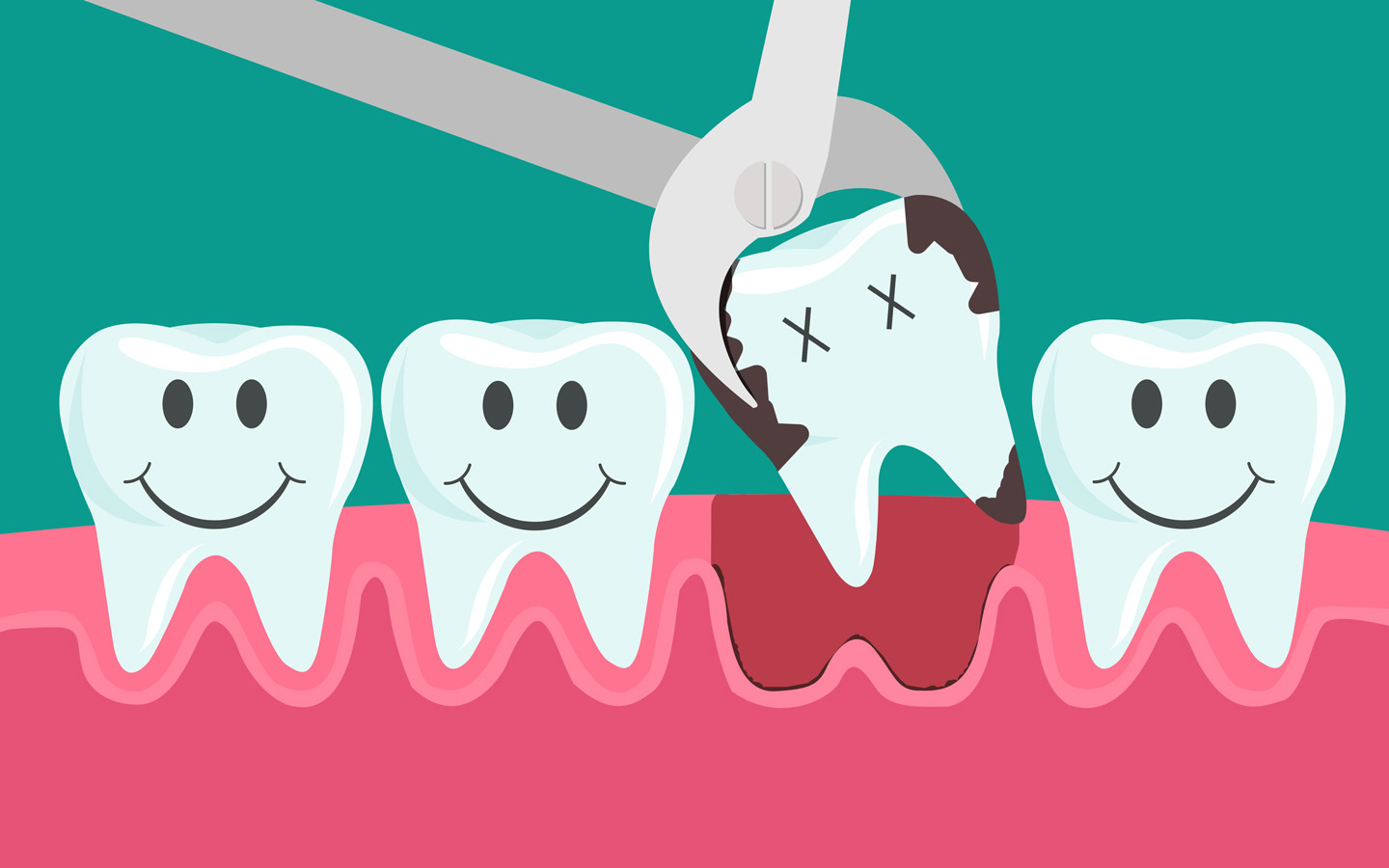
Image Source: www.medicomdtx.com
How Long After Tooth Extraction Can I Exercise Safely?
How long after tooth extraction can you exercise safely? Most people should wait at least 24 hours before doing any physical activity after getting a tooth pulled. For strenuous exercise like running or heavy lifting, you usually need to wait longer, often 3 to 7 days or even more. When can I run after tooth extraction depends on how fast you heal and the type of extraction. Your dentist will give you the best advice based on your specific tooth extraction recovery time. It is vital to follow their directions closely to avoid problems and ensure smooth healing after tooth removal.
Initial Steps After Your Tooth is Pulled
Right after a tooth comes out, your body starts to heal. A blood clot forms in the socket (the empty space). This clot is very important. It protects the bone and nerves underneath. It also helps new tissue grow. Taking care of this clot is the most important thing in the first day.
The First 24 Hours Are Critical
The first day after your extraction is a time for rest. You should avoid anything that might disturb the healing blood clot. This includes hard chewing, drinking through a straw, smoking, and vigorous rinsing. It also includes physical activity.
Any kind of exercise, even just walking fast, can raise your blood pressure and heart rate. This increased flow can make the blood clot loose or dislodge it. If the clot comes out too early, it can lead to a painful problem called dry socket.
-
What to do in the first 24 hours:
- Rest at home.
- Keep your head raised with pillows.
- Use ice packs on your face to help with swelling.
- Gently bite on gauze if there is bleeding.
- Drink cool or room temperature liquids.
- Eat soft foods.
-
What to avoid in the first 24 hours:
- Heavy lifting or bending over.
- Running or jogging.
- Any sport or hard work.
- Drinking hot liquids.
- Smoking.
- Using a straw.
- Spitting hard.
- Rinsing your mouth strongly.
Avoiding post-extraction physical activity in the first 24 hours gives your body the best chance to form a strong, protective blood clot. This sets the stage for good healing after tooth removal.
Why Early Exercise is Risky
Moving your body too much too soon after having a tooth pulled can cause several problems. These problems can delay your tooth extraction recovery time and cause a lot of pain.
Danger to the Blood Clot
As mentioned, the blood clot is key. It’s like a natural plug in the socket. When you exercise, your heart pumps faster. Blood flows harder through your body, including to your mouth. This increased pressure and flow can literally push the clot out of the socket.
If the clot is lost, the bone and nerves are open to air and food particles. This causes a lot of pain. This is what a dry socket is. It is much more painful than normal healing. Avoiding early exercise after dental surgery is the main way to prevent a dry socket.
More Bleeding
Bleeding after exercising post extraction is very common. Physical activity increases blood flow. This can make the extraction site bleed more or start bleeding again after it had stopped. Light spotting is normal for a day or two, but heavy bleeding needs attention. Exercise makes it harder for the site to clot and stop bleeding.
Increased Swelling
Some swelling after tooth removal is expected. Using ice and resting helps keep swelling down. Swelling after tooth removal and exercise can be much worse. Exercise increases blood flow and can make the area puff up more. More swelling means more discomfort and can slow down healing.
Higher Chance of Infection
While less direct, strenuous activity can tire your body out. Healing takes energy. If your body is busy recovering from a hard workout, it might have less energy to fight off any germs near the extraction site. Rest helps your immune system focus on healing the area and keeping it clean.
Starting With Gentle Movement
After the first 24 hours, if you are feeling well, you might be able to do some very gentle exercise post tooth extraction. This should be low-impact and not make your heart race or your head go below your chest.
What “Gentle” Means
Gentle exercise means light movement. Think of a slow, short walk. It should not make you breathe hard or sweat much.
- Examples of gentle exercise:
- Slow walking around your house.
- Walking slowly outside for a short distance (15-20 minutes).
- Gentle stretching, but avoid inversions or positions where your head is lower than your body.
When to Try Gentle Exercise
You might try a short, slow walk on day 2 or 3 if your dentist says it is okay and you feel up to it. Listen to your body very carefully.
- Stop immediately if you notice:
- Any increased pain at the extraction site.
- Bleeding starting or getting worse.
- Feeling dizzy or lightheaded.
- Throbbing in your jaw or head.
Starting with gentle exercise post tooth extraction is a way to slowly get back to being active without putting too much stress on the healing area. It’s a small step in your post-extraction physical activity.
Progressing to Moderate Activity
As your healing after tooth removal continues, you can think about doing a little more. This is usually several days after the extraction. Moderate activity means things like a faster walk or light cycling.
What “Moderate” Means
Moderate exercise raises your heart rate a bit, but you should still be able to talk easily. It’s more than a stroll but less than intense exercise.
- Examples of moderate activity:
- Brisk walking.
- Cycling on a flat surface at a moderate pace.
- Light yoga (avoiding headstands, downward dog, or anything that puts pressure on your head/mouth).
- Using an elliptical machine at a slow or medium pace.
When to Consider Moderate Activity
Most people can think about moderate exercise after dental surgery around day 3 or 4. This is not a strict rule. Some people might need to wait longer. It depends a lot on:
- How many teeth were pulled.
- How hard the extraction was (simple pull vs. surgery for an impacted tooth).
- Your general health.
- How well you followed post-op instructions.
- How fast your body heals.
Before trying moderate activity, check these things:
- Is the bleeding mostly stopped?
- Is the swelling going down?
- Are you managing pain well with less or no medicine?
- Do you feel generally strong and not weak?
- Have you talked to your dentist about when it might be safe?
Even when doing moderate post-extraction physical activity, start slow and short. Try just 15-20 minutes at first. Watch for any signs of problems like bleeding after exercising post extraction or increased swelling after tooth removal and exercise. If anything feels wrong, stop.
When Can You Do Strenuous Exercise?
This is the most common question for active people: How long after tooth extraction can I exercise safely, specifically hard exercise? When can I run after tooth extraction? When can I lift heavy weights?
Strenuous exercise after extraction is the riskiest type of activity for complications like dry socket, bleeding, and swelling. It should be the last type of activity you return to.
What “Strenuous” Means
Strenuous exercise significantly increases your heart rate and breathing. You would have trouble talking in full sentences while doing it. It puts a lot of physical stress on your body.
- Examples of strenuous exercise:
- Running or jogging.
- Heavy weight lifting.
- High-intensity interval training (HIIT).
- Playing contact sports (basketball, soccer, etc.).
- Swimming (can create suction/pressure issues).
- Any exercise that involves jumping, bending, or putting your head down a lot.
Typical Timelines for Strenuous Activity
For most people, dentists recommend waiting at least 7 days before doing strenuous exercise after extraction. For more complex extractions, like wisdom teeth or impacted teeth, this wait time might be 10-14 days or even longer.
Here’s a general idea, but remember, your dentist’s advice is key:
- Simple Extraction: Maybe back to strenuous exercise after 5-7 days, IF healing is perfect.
- Surgical Extraction (like wisdom teeth): Often need to wait 7-10 days, sometimes 14 days or more.
Why the wait?
- Blood Clot Stability: It takes time for the blood clot to become stable and for early tissue healing to secure it. Hard exercise risks dislodging it, leading to risk of dry socket from exercise.
- Bleeding Risk: Increased blood pressure and flow during strenuous activity can cause significant bleeding after exercising post extraction.
- Swelling Risk: Swelling after tooth removal and exercise is worse with strenuous activity.
- Pain: Strenuous activity can increase pain at the site.
Signs You Might Be Ready for More
Before you attempt strenuous exercise after extraction, make sure:
- There is NO bleeding at all from the site.
- Swelling is gone or almost gone.
- Pain is gone or very minimal and doesn’t require medication.
- You can eat normally on the other side of your mouth.
- You feel completely recovered in terms of energy levels.
- You have discussed it with your dentist or surgeon.
Even when you feel ready, start back slowly. Do less than your usual workout. See how your mouth feels during and after. If you have pain, bleeding, or throbbing, stop and rest more.
Factors That Affect Your Timeline
Not everyone heals at the same speed. Several things can change your personal tooth extraction recovery time and how soon you can return to post-extraction physical activity.
Type of Extraction
- Simple Extraction: The tooth is visible and pulled out easily with forceps. Healing is usually faster. You might return to moderate exercise in a few days and strenuous activity in about a week if all goes well.
- Surgical Extraction: Requires cutting into the gum or removing bone to get the tooth out (common for impacted wisdom teeth). This is more invasive. Healing after tooth removal takes longer. You will likely need more time off from all types of exercise after dental surgery. Waiting 1-2 weeks for strenuous activity is common.
Your Overall Health
People who are generally healthy, don’t smoke, and manage conditions like diabetes well tend to heal faster. Smoking especially slows down healing and greatly increases the risk of dry socket from exercise.
How Well You Follow Instructions
Following your dentist’s post-op instructions on cleaning, diet, medication, and rest is crucial. Ignoring them can delay healing and increase complications, pushing back your timeline for post-extraction physical activity.
Complications During or After Extraction
If you had a difficult extraction or experience problems like excessive bleeding, infection, or dry socket, your healing will be slower. You will need to wait much longer to exercise. Dealing with a dry socket, for example, will require stopping all significant activity until it is resolved.
Your Age
Younger people often heal faster than older adults.
Monitoring Your Body During Exercise
When you do decide to start exercise after dental surgery, it’s not just about the calendar. You need to pay close attention to what your body tells you.
Signs to Stop Exercising
- Pain: Any sharp or increasing pain at the extraction site.
- Throbbing: A pulsing sensation in your jaw or head.
- Bleeding: Fresh bleeding, especially if it’s more than just light pink spotting. Bleeding after exercising post extraction is a clear sign you’re doing too much.
- Swelling: If the swelling increases significantly during or after your workout. Swelling after tooth removal and exercise indicates inflammation.
- Dizziness or Weakness: Feeling unsteady, lightheaded, or unusually tired.
- Bad Taste/Smell: Could be a sign of infection or dry socket.
If you notice any of these, stop the activity right away. Rest, maybe apply ice again, and contact your dentist if symptoms are severe or don’t improve with rest.
Planning Your Return to Fitness
Returning to your normal post-extraction physical activity routine should be a gradual process.
Day 1: Complete Rest
No exercise at all. Focus on letting the clot form.
Day 2-3: Very Gentle Movement
If you feel well and your dentist agrees, maybe a short, slow walk. Listen to your body. Avoid any bending or lifting. This is the earliest for gentle exercise post tooth extraction.
Day 3-7: Gradual Increase in Activity
If healing is going smoothly (no pain, swelling reducing, no bleeding), you might slowly increase the length or speed of walks. Consider light stationary cycling or elliptical if comfortable. Still avoid strenuous exercise, lifting, and activities that jar your head. Monitor for bleeding after exercising post extraction or increased swelling after tooth removal and exercise.
Day 7-14: Considering Strenuous Exercise
For many, this is the window to when can I run after tooth extraction or return to heavier lifting, but only if your healing is complete and your dentist approves. Start with a shorter, less intense version of your normal routine. If running, run shorter distances or intervals. If lifting, use lighter weights. Watch for the signs to stop. The risk of dry socket from exercise decreases significantly after a week or two, but is still possible if you push too hard.
Two Weeks and Beyond: Back to Normal (Usually)
By two weeks, most people have completed the main tooth extraction recovery time and can return to their usual post-extraction physical activity. However, if you had a complicated surgery or slow healing, you might still need more time. Always confirm with your dentist if you have any doubts.
Hydration and Nutrition
Supporting your body’s healing after tooth removal also involves what you eat and drink. Staying well-hydrated is important, especially as you consider returning to exercise after dental surgery. Drink plenty of water. Avoid sugary drinks, alcohol, and hot liquids initially. Eat soft, nutritious foods that provide energy for healing. Proper nutrition helps reduce swelling after tooth removal and exercise and speeds up your overall tooth extraction recovery time.
Risks and Complications Reviewed
Let’s look again at the main risks of exercising too soon.
Dry Socket (Alveolar Osteitis)
This is the most common painful complication. It happens when the blood clot is lost from the socket. It exposes the bone and is very painful. Risk of dry socket from exercise is highest in the first 3-4 days. Activities that create suction (like drinking through a straw or smoking) or increase pressure/blood flow (like vigorous exercise) can dislodge the clot. Once a dry socket occurs, healing takes much longer and is more complex. Preventing dry socket is a primary reason for limiting post-extraction physical activity.
Increased Bleeding
As discussed, higher blood pressure from exertion can cause renewed or increased bleeding after exercising post extraction. This can be alarming and messy and also hinders the formation of a stable clot needed for healing.
Increased Swelling and Pain
Physical activity can worsen inflammation, leading to more swelling after tooth removal and exercise. This extra swelling can cause more pain and discomfort, making your recovery harder.
Infection
While less direct, pushing your body too hard could theoretically compromise your immune response slightly, making infection a tiny bit more likely, especially if you are not keeping the area clean.
Table: Sample Timeline for Returning to Exercise
This table is a general guide. Always follow your dentist’s specific instructions.
| Time After Extraction | Recommended Activity Level | Notes | Potential Risks of More Intense Activity |
|---|---|---|---|
| First 24 Hours | Complete Rest | Very important for blood clot formation. | High risk of dry socket from exercise, significant bleeding after exercising post extraction, increased swelling after tooth removal and exercise. |
| Day 2-3 | Very Gentle Exercise | Slow, short walks only, if feeling well. Stop if pain/bleeding occurs. | Still notable risk of dry socket from exercise if clot is not stable, increased bleeding/swelling possible. |
| Day 3-7 | Gentle to Moderate | Gradually increase walk length/speed. Light cycling/elliptical okay IF feeling good and no bleeding. | Moderate risk of dry socket from exercise if too vigorous, potential bleeding/swelling. Avoid heavy lifting/impact. |
| Day 7-14 | Moderate to Strenuous | Can begin to cautiously try more intense activities if healing is well advanced and approved by dentist. Start light! | Reduced but still possible risk of dry socket from exercise, can still cause bleeding after exercising post extraction or increased swelling after tooth removal and exercise if pushed too hard. |
| After 14 Days | Normal Activity | Most people can resume normal routines. Confirm with dentist if any doubt or lingering issues. | Low risk, assuming complete healing after tooth removal. |
Note: This table is for guidance only. Surgical extractions often require timelines closer to the longer end or beyond.
Consulting Your Dental Professional
The most important piece of advice is to talk to your oral surgeon or dentist. They know exactly how complex your extraction was and how your personal healing after tooth removal is progressing.
- Ask them before you leave the office:
- How long should I wait before light exercise?
- When do you think I can go back to the gym or running?
- Are there any specific activities I should avoid for longer?
- What signs should I watch for that mean I’m doing too much?
They can provide personalized guidance based on your specific tooth extraction recovery time. Never assume you are ready for strenuous exercise after extraction without considering their professional opinion.
Preparing to Exercise Again
When you do get the green light for post-extraction physical activity, take a few simple steps to make it safer:
- Stay Hydrated: Drink water before, during, and after your activity.
- Start Slow: Do less than you normally would. Shorter time, lower intensity.
- Avoid Head-Down Positions: For the first week or two, avoid exercises that require you to lower your head below your waist. This can increase blood pressure in the head area.
- Protect the Site: While not always necessary for simple extractions, if you’re doing an activity where you might get hit (though this should be avoided initially anyway), think about how to protect your face.
- Listen to Your Body: This is the most crucial rule. Any unusual pain, throbbing, or bleeding means stop.
- Keep the Area Clean: Continue gentle cleaning as advised by your dentist. An infection will definitely delay your return to exercise.
FAQs: Your Questions About Exercise After Tooth Extraction
Here are some common questions people ask about exercise after dental surgery.
h4 Is it okay to walk around the house on the same day as the extraction?
Yes, very light activity like walking slowly around your house is generally fine and even good to prevent stiffness. The key is not to raise your heart rate significantly or do anything that requires effort. Complete rest means avoiding exertion, not being stuck in bed.
h4 Can I lift weights after a week?
Maybe, but it depends on the extraction and your healing. For a simple extraction with excellent healing, light weights might be okay after 5-7 days. For surgical extractions, you likely need to wait 10-14 days or more. Start with very light weights (less than you normally lift) and see how you feel. Avoid straining or holding your breath.
h4 What about swimming?
Swimming can be risky in the first week or two, especially if doing strokes that put pressure or cause splashing near your face. Also, creating suction (like getting water in your mouth and trying to clear it) can disturb the clot. Chlorinated water might also irritate the site. Wait at least 7-10 days, especially after surgical extractions, before swimming.
h4 Will exercise give me a dry socket?
Exercise itself doesn’t cause dry socket directly, but vigorous exercise in the first few days greatly increases the risk of dry socket from exercise. It can dislodge the protective blood clot before it has a chance to fully stabilize, leading to dry socket.
h4 My extraction site bled a little bit when I exercised. Is this normal?
A little light spotting (pink or reddish saliva) might be acceptable on the first day or two. However, if fresh red bleeding starts or increases significantly when you exercise, it means you are doing too much. Stop the exercise immediately. Apply gentle pressure with clean gauze if needed. If bleeding doesn’t stop after resting, call your dentist. Bleeding after exercising post extraction is a sign to slow down your activity.
h4 I exercised too soon and now I have pain and swelling. What should I do?
Stop exercising right away. Rest with your head elevated. Apply ice packs to the outside of your face (20 minutes on, 20 minutes off). Take pain medication as prescribed. If the pain is severe, doesn’t get better, or you have signs of dry socket (terrible pain, bad smell/taste), contact your dentist immediately. Increased swelling after tooth removal and exercise and pain mean you likely overdid it.
h4 How long does tooth extraction recovery time usually last?
The initial tooth extraction recovery time where you need to be very careful is usually 24-72 hours. Soft tissue healing takes about 1-2 weeks. Bone healing takes much longer, months usually, but you don’t need to avoid exercise for bone healing. Most people feel ready for normal activity within 1-2 weeks, assuming no complications. Surgical extractions and wisdom tooth extractions often have longer initial recovery times.
h4 Can I do yoga after tooth extraction?
Gentle yoga that avoids inversions (like downward dog or headstands where your head is below your heart) and doesn’t require straining might be okay after 3-4 days if you feel well. Avoid hot yoga. More vigorous or poses that increase pressure in your head should wait until 7-14 days, depending on your healing. Gentle exercise post tooth extraction, like light stretching, is generally safer earlier on.
h4 Is it okay to bend over to pick something up after tooth extraction?
In the first 24-48 hours, try to avoid bending over if possible. Bending over increases blood pressure in your head and can disturb the clot, increasing the risk of dry socket from exercise (or just bending). If you must pick something up, try to squat down while keeping your head mostly upright.
Final Thoughts on Returning to Activity
Returning to your normal level of post-extraction physical activity requires patience. Your tooth extraction recovery time is a process, and pushing too hard too soon can significantly delay your healing after tooth removal. Prioritizing rest in the critical first few days and then gradually reintroducing gentle exercise post tooth extraction is the safest approach. Always listen to your body and, most importantly, follow the specific advice given by your dentist or oral surgeon. They are your best resource for knowing how long after tooth extraction can I exercise safely and when can I run after tooth extraction based on your unique situation. Be patient, be careful, and you’ll be back to your routine before you know it.